Free Shipping to Alex and Cairo●Installment with VALU●Installment with Halan●Installment with Aman●Free Shipping to Alex and Cairo●Installment with KLIVVR●Installment with SOUHOOLA●Installment with FORSA●
Free Shipping to Alex and Cairo●Installment with VALU●Installment with Halan●Installment with Aman●●Free Shipping to Alex and Cairo●Installment with KLIVVR●Installment with SOUHOOLA●Installment with FORSA●
A beautiful plant can bring life into a room, but the right planter pot turns that greenery into a true design feature. Planter pots are not just containers; they influence proportion, texture, color balance, visual flow, and the overall feeling of a space. Whether placed in a living room, entryway, balcony, patio, garden, office, or villa entrance, the right planter can instantly make an area feel more polished and intentional.
Choosing planter pots for your home is both an artistic and practical decision. The pot must suit the plant, support healthy root growth, complement the surrounding décor, and fit naturally into the scale of the space. A planter that is too small may look insignificant and restrict the plant. A planter that is too large may overwhelm the room or hold too much moisture. A pot with the wrong material, color, or finish may also clash with the interior style.
The best planter pots combine beauty, structure, and function. They enhance the plant while becoming part of the design story of your home. From sculptural statement planters to sleek minimalist pots, every choice affects how your space feels.
This guide will help you choose planter pots that elevate your home décor while keeping your plants healthy, balanced, and beautifully styled.
Understanding the Role of Planter Pots in Interior and Exterior Design
Planter pots help connect nature with architecture. They soften hard surfaces, add height to empty corners, introduce organic movement, and create focal points in spaces that may otherwise feel incomplete.
In interior design, planter pots can be used to frame furniture, balance large walls, divide open-plan areas, or add depth to neutral palettes. Outdoors, they can define walkways, highlight entrances, enhance patios, or bring structure to garden layouts.
A well-chosen planter pot can make greenery feel curated rather than random. It gives the plant a visual foundation and helps it belong within the design scheme.
Planter Pots as Decorative Anchors
A decorative planter pot can act as an anchor in a room. For example, a tall planter beside a sofa can balance the vertical height of curtains or shelving. A sculptural pot near an entryway can create a welcoming first impression. A pair of matching planters at a front door can make the exterior feel symmetrical and refined.
Planters are especially useful in spaces that feel empty but do not need more furniture. Instead of adding another chair, table, or cabinet, a planter can bring shape, greenery, and warmth without cluttering the area.
Blending Function with Style
The most successful planter pot is one that looks beautiful and works well for the plant. Style alone is not enough. The planter should have the correct size, suitable drainage, and enough stability for the plant’s height and weight.
A planter pot should also match how the space is used. For example, a heavy statement planter may be ideal for a villa entrance or garden corner, while a lighter or more compact pot may work better on a balcony or inside a small apartment.
Creating Visual Flow Across Your Home
To create a cohesive look, repeat certain design elements throughout your home. This does not mean every planter must be identical. Instead, choose a consistent theme, such as neutral colors, rounded shapes, stone-like finishes, or modern geometric silhouettes.
When planters share a common design language, the home feels more elegant and connected. This is especially important for open-plan homes, indoor-outdoor living areas, and luxury interiors where every detail contributes to the overall atmosphere.
Start with the Plant: Matching Pot Size to Plant Needs
Before choosing a planter based on appearance, start with the plant itself. A pot should support the plant’s root system, growth pattern, water needs, and visual scale.
The size of the planter affects how often the plant needs watering, how stable it feels, and how balanced it looks in the room. A good planter should give the roots enough room without surrounding them with excessive soil.
Why Pot Size Affects Plant Health
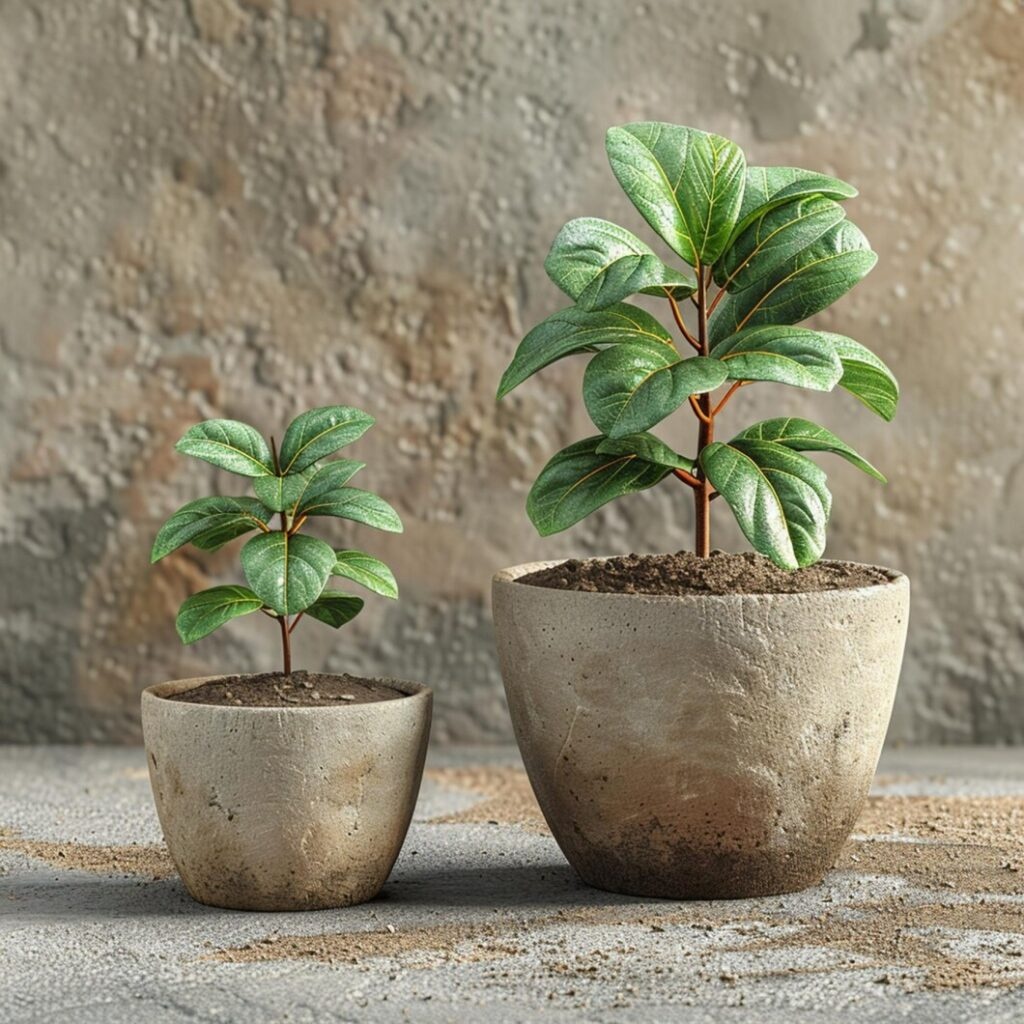
Pot size plays a major role in plant health. A pot that is too small can restrict root growth and cause the plant to dry out quickly. A pot that is too large can hold more soil than the plant needs, which may keep moisture around the roots for too long.
The goal is to choose a planter that gives the plant room to grow while maintaining a healthy balance between soil, water, and airflow.
Choosing the Right Diameter and Depth
As a general design rule, the planter should feel proportional to the plant above it. Tall plants, decorative trees, and large foliage need planters with enough width and depth to look visually grounded. Smaller houseplants need more compact pots that do not overpower them.
For indoor plants, choose a pot that is slightly larger than the current root ball rather than dramatically larger. For statement greenery, the planter should be wide and stable enough to support the plant’s height.
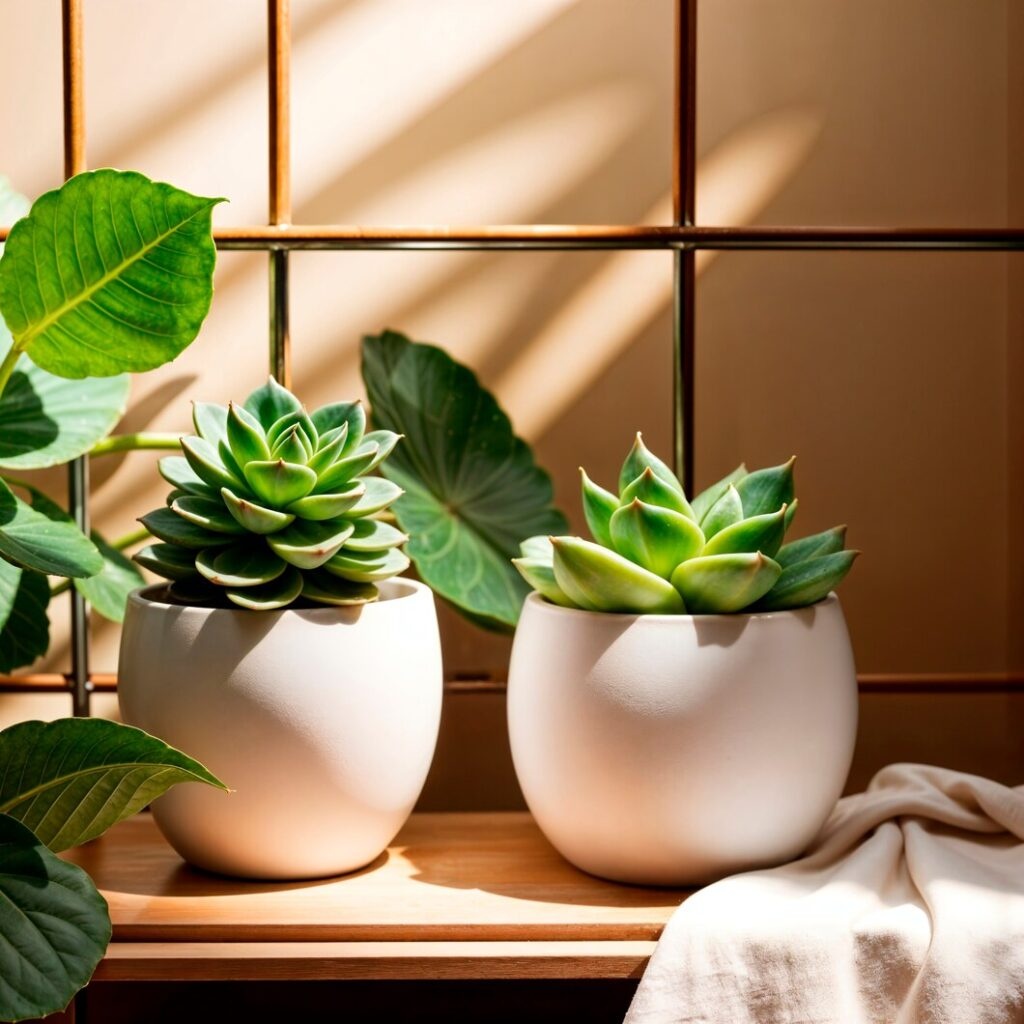
Depth is also important. Plants with deeper root systems need taller pots, while shallow-rooted plants may do well in wider, lower containers. Succulents, for example, often look beautiful in wide sculptural planters, while palms and decorative trees usually need taller, more stable containers.
Avoiding Pots That Are Too Small or Too Large
A planter that is too small can make even a beautiful plant look unfinished. It may also tip over easily if the plant is tall or top-heavy. On the other hand, an oversized planter can make a small plant look lost and may create unnecessary moisture retention.
From a décor perspective, the planter and plant should look like one complete composition. The pot should frame the plant, not compete with it or disappear beneath it.
Choose the Right Planter Pot Material
Material affects the look, weight, durability, and maintenance of a planter pot. It also influences how the planter fits into your home’s design style.
Some materials feel natural and rustic. Others feel sleek and architectural. The right choice depends on where the pot will be placed, what plant it will hold, and what atmosphere you want to create.
Ceramic Planter Pots
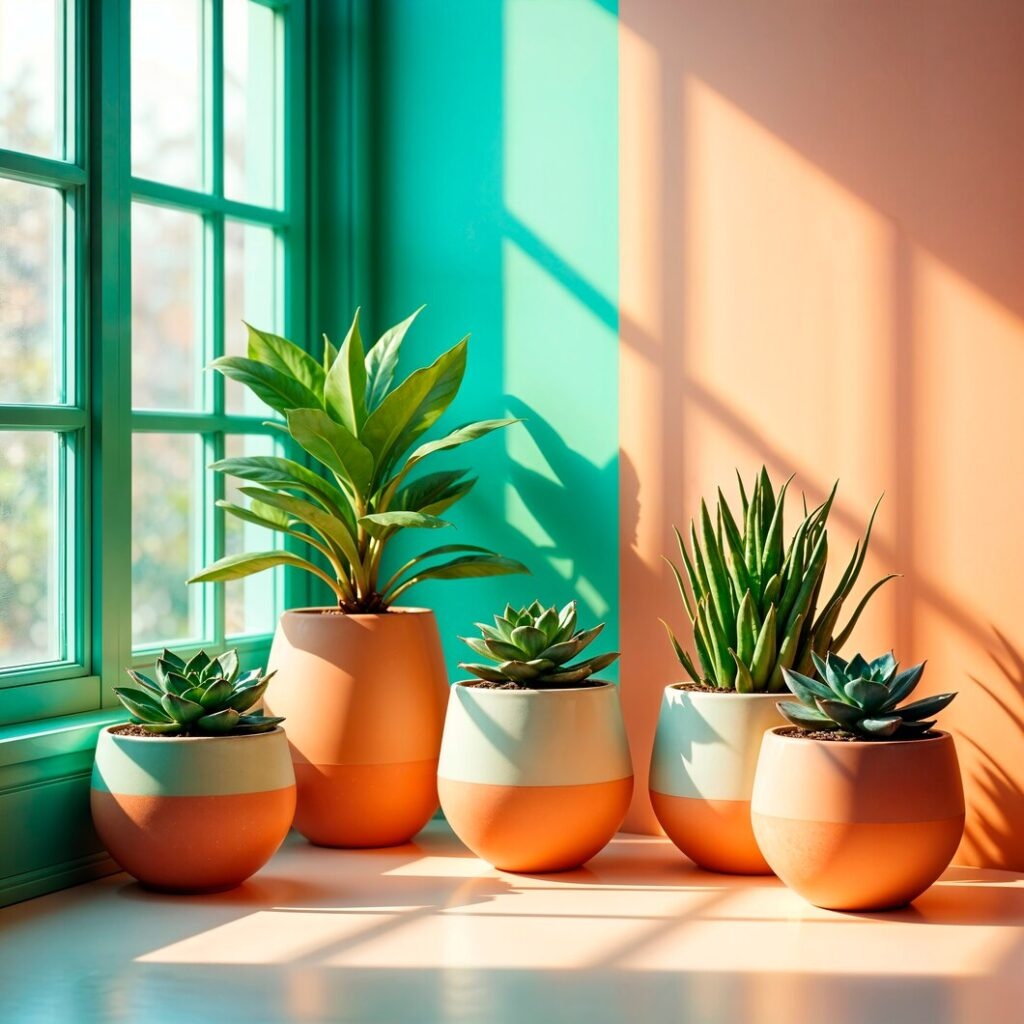
Ceramic planter pots are popular for indoor styling because they offer a refined, finished appearance. They come in glossy, matte, textured, and handmade finishes, making them suitable for many décor styles.
Ceramic pots work well in living rooms, bedrooms, offices, and dining areas. They can look elegant with leafy houseplants, orchids, compact trees, and sculptural greenery. However, they can be heavy and may need careful handling, especially in large sizes.
Terracotta Planter Pots
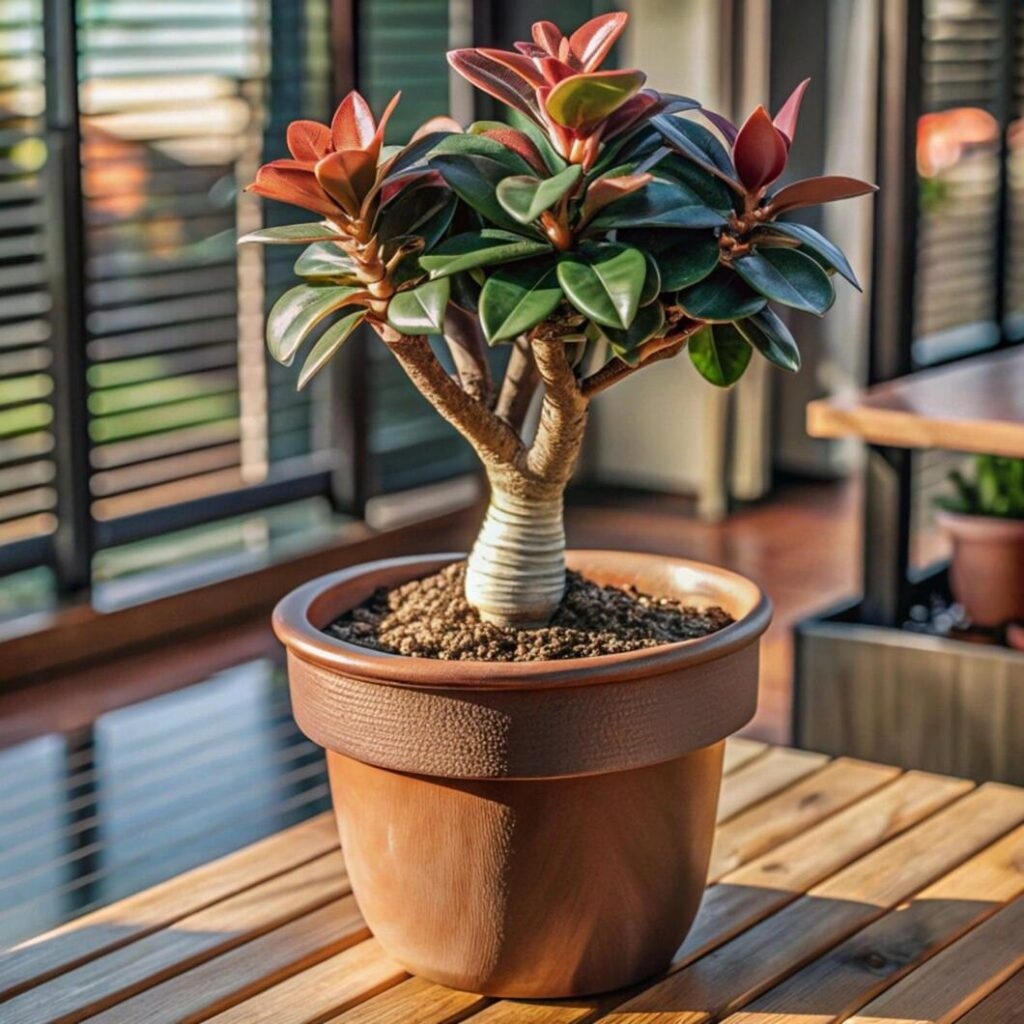
Terracotta planter pots bring warmth, earthiness, and natural charm to a space. Their clay tone works beautifully in Mediterranean, rustic, bohemian, and garden-inspired interiors.
Terracotta pairs well with herbs, succulents, olive trees, citrus plants, and natural outdoor settings. It adds a relaxed and timeless feeling, especially on patios, balconies, terraces, and sunlit corners.
Stone, Concrete, and Polyester Stone Planters
Stone-inspired planters create a grounded, architectural look. They are excellent for modern homes, luxury landscapes, villa entrances, hotel spaces, and outdoor terraces.
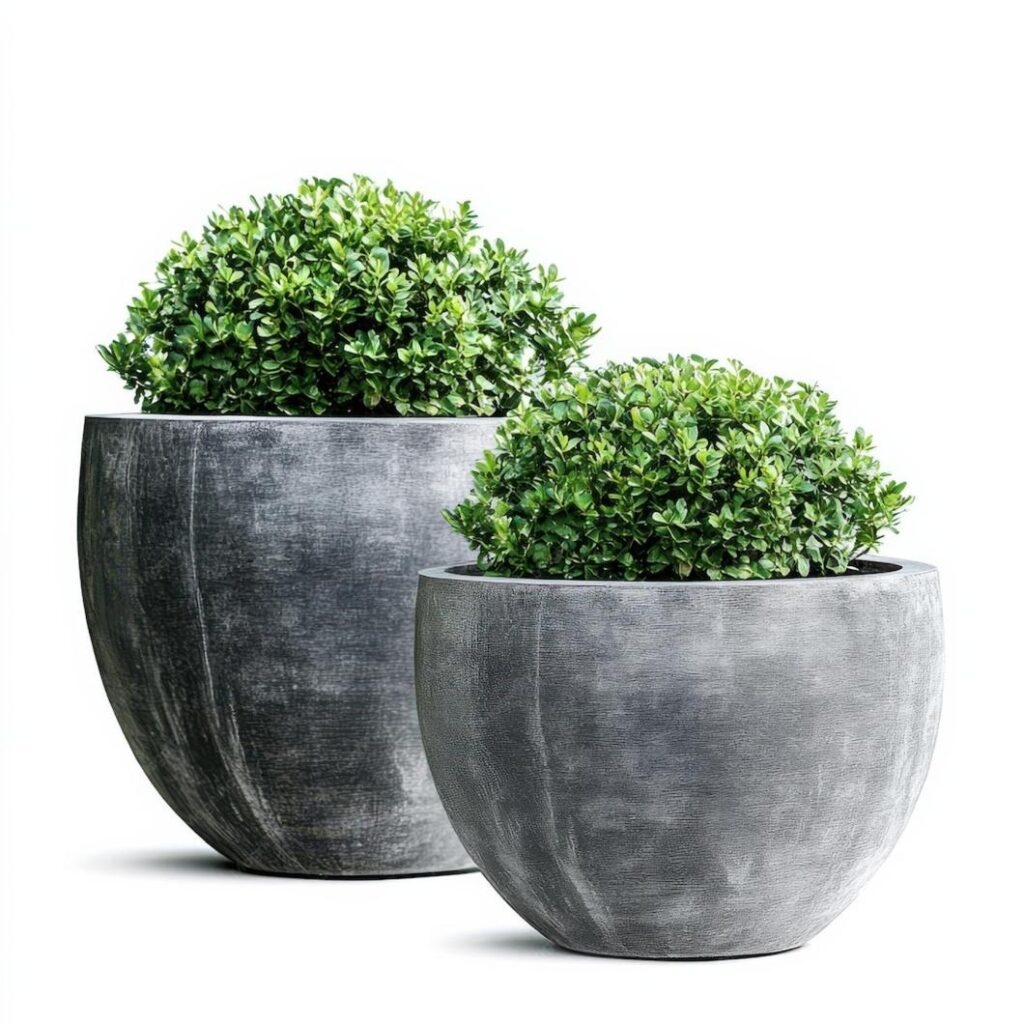
Polyester stone planters are especially useful when you want the appearance of sculptural stone with a refined modern finish. They can work beautifully indoors and outdoors, depending on the design and drainage options.
For homeowners looking for elevated modern décor, this material style is ideal because it feels substantial, durable, and visually premium. It works well with statement plants, decorative trees, and minimalist greenery.
Metal Planter Pots
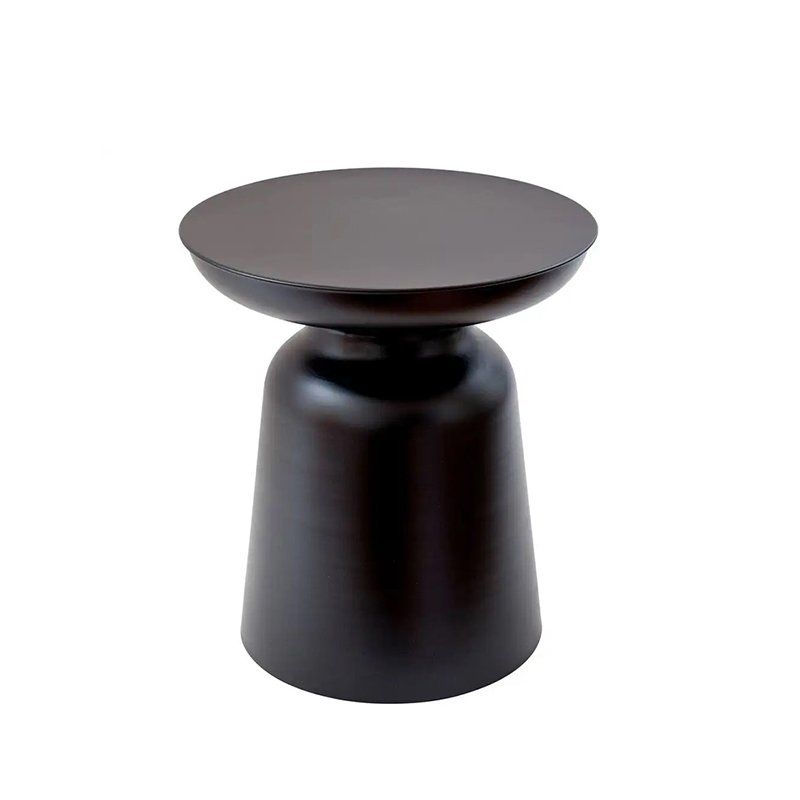
Metal planter pots add a sleek and contemporary touch. They can look striking in modern interiors, especially when used in black, bronze, brass, or matte finishes.
Metal works best when used thoughtfully. It can create contrast against soft textiles, wood furniture, or neutral walls. For outdoor use, make sure the finish is suitable for exposure and that the planter is placed where heat buildup will not stress the plant.
Lightweight Planter Materials
Lightweight planters are practical for balconies, rental homes, rooftops, and areas where pots may need to be moved. They are also useful for large decorative arrangements where a heavy planter would be difficult to handle.
When choosing lightweight materials, focus on quality, finish, and stability. A lightweight pot should still look intentional and should be strong enough to support the plant without tipping.
Drainage: The Detail That Protects Your Plants
Drainage is one of the most important features of any planter pot. Even the most beautiful pot can create problems if water cannot escape properly.
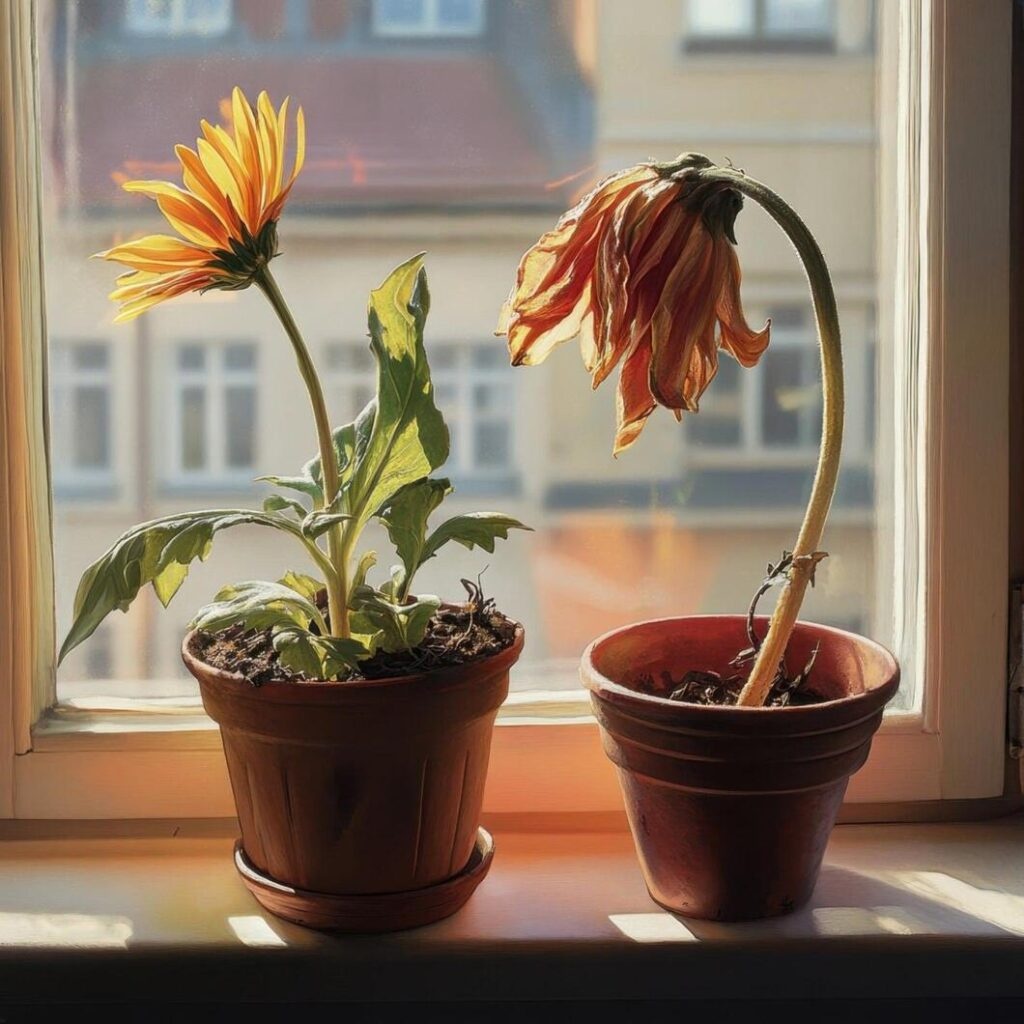
Plants need moisture, but most do not thrive when their roots sit in stagnant water. Poor drainage can lead to unhealthy roots, unpleasant odors, surface damage, and long-term plant decline.
Why Drainage Holes Matter
Drainage holes allow excess water to leave the planter. This helps prevent water from collecting at the bottom of the pot and supports healthier root conditions.
For outdoor planters, drainage is especially important because rainwater can quickly accumulate. For indoor planters, drainage helps make watering more predictable and protects the plant from being overwatered.
When selecting a planter pot, always check whether it includes drainage holes or whether drainage can be added.
Using Cachepots for Decorative Styling
A cachepot is a decorative outer pot that holds a plant in its nursery pot or inner liner. This is a smart way to combine style with practical plant care.
With a cachepot, you can remove the inner pot for watering, let excess water drain, and then place it back inside the decorative planter. This method is ideal when you love a pot that does not have drainage holes or when you want to protect indoor floors and surfaces.
Saucers, Liners, and Indoor Protection
For indoor planters, protect flooring, carpets, tabletops, and wood surfaces with saucers or liners. Choose saucers that match the style of the planter so they look intentional rather than like an afterthought.
If you are placing a planter on marble, wood, or a delicate surface, add protective pads underneath. This small detail helps prevent scratches, water marks, and movement damage.
Match Planter Pots to Your Home Décor Style
A planter pot should feel like part of your home’s design language. It should complement the furniture, flooring, wall colors, lighting, and overall mood of the space.
The right pot can make a room feel more luxurious, natural, modern, or relaxed.
Modern Minimalist Interiors
For minimalist interiors, choose clean shapes, neutral tones, smooth finishes, and simple silhouettes. White, black, beige, gray, and stone-inspired planters work especially well.
A minimalist planter should not feel plain; it should feel refined. Look for strong proportions, subtle textures, and architectural lines. Pair these pots with sculptural plants such as snake plants, fiddle leaf figs, rubber plants, palms, or olive trees.
Luxury Contemporary Homes
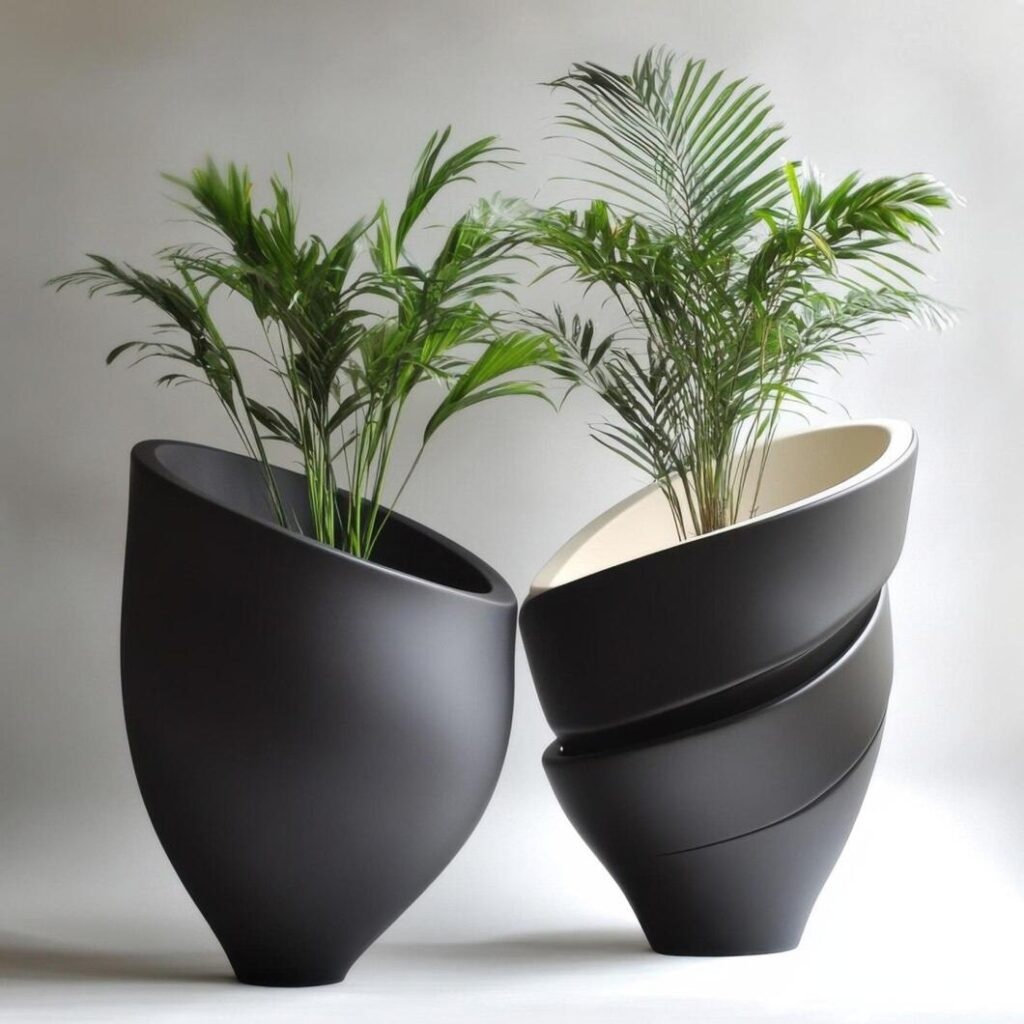
Luxury contemporary homes benefit from oversized statement planters, sculptural shapes, and premium materials. These planters should feel like design objects, not just plant holders.
Use large planters in entryways, beside staircases, in open living rooms, around pools, or on terraces. The goal is to create visual impact while maintaining elegance.
For this style, consider modern handmade planter pots, polyester stone finishes, wave-inspired forms, cylindrical silhouettes, and bold architectural designs.
Mediterranean and Natural-Inspired Spaces
Mediterranean and natural-inspired spaces look beautiful with warm, earthy planters. Terracotta, sand, clay, stone, beige, and soft white tones work especially well.
Pair these planters with olive trees, lavender, citrus plants, bougainvillea, rosemary, succulents, and textured greenery. This style feels relaxed, sun-washed, and timeless.
Classic and Transitional Décor
Classic and transitional homes need planters with balanced proportions and elegant finishes. Avoid shapes that feel too trendy or overly bold. Instead, choose timeless silhouettes, soft neutrals, and refined textures.
Round pots, tapered planters, urn-inspired designs, and understated stone finishes can work beautifully in these spaces.
Outdoor Gardens, Patios, and Terraces
Outdoor planter pots should be durable, stable, and suitable for the climate. They should also complement the architecture of the home and the landscaping.
For patios and terraces, use planters to define seating zones, frame views, or add greenery near dining areas. For gardens and villa entrances, larger statement pots can create a polished and luxurious look.
Use Shape and Proportion to Elevate the Space
Shape affects how a planter feels in a room. Round planters create softness. Tall planters add drama. Geometric planters introduce structure. Oversized planters create luxury impact.
The best shape depends on the surrounding architecture and the visual effect you want to achieve.
Round Planter Pots for Softness and Balance
Round planter pots are versatile and timeless. They work well in corners, beside sofas, near windows, on patios, and in garden layouts.
A round pot softens sharp furniture lines and creates a natural sense of balance. It is a safe and elegant choice for most interiors.
Tall planters are ideal when you want to add height without adding bulky furniture. They work beautifully near doors, columns, staircases, balconies, and empty corners.
Use tall planters with upright plants, palms, decorative trees, or cascading greenery. They help draw the eye upward and make the space feel more architectural.
Geometric Planters for a Modern Statement
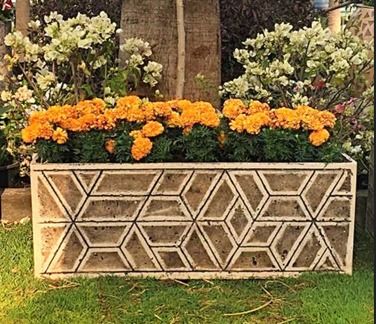
Geometric planters are perfect for contemporary interiors and outdoor spaces. Their clean lines and angular forms add structure and visual energy.
Use geometric pots in modern living rooms, office interiors, hotel spaces, patios, and luxury landscapes. They pair especially well with minimalist furniture and neutral color palettes.
Oversized Planters for Luxury Impact
Oversized planter pots make a powerful design statement. They are ideal for large rooms, spacious terraces, villa entrances, gardens, commercial interiors, and hospitality spaces.
When styling oversized planters, keep the surrounding décor simple. Let the planter and plant become the focal point. This creates a high-end, curated look.
Choose Colors That Complement Your Interior Palette
Color is one of the easiest ways to make planter pots feel connected to your home décor. The pot color should work with your walls, flooring, furniture, textiles, and lighting.
A good planter color can either blend quietly into the space or create a purposeful accent.
Neutral Planter Pots for Timeless Styling
Neutral planters are the most versatile. White, beige, black, gray, ivory, taupe, and stone tones work with many interior styles.
White and ivory pots feel fresh and elegant. Black pots create contrast and sophistication. Gray and stone finishes add a modern architectural feel. Beige and taupe bring warmth without overpowering the room.
Earthy Tones for Warmth and Organic Beauty
Earthy planter colors are ideal for natural, Mediterranean, rustic, and relaxed interiors. Terracotta, clay, sand, warm brown, and muted green tones help create a grounded atmosphere.
These colors pair beautifully with wood, linen, rattan, stone, and natural fabrics.
Bold Colors as Accent Pieces
Bold planter pots can work well when used intentionally. A deep green, rich blue, warm red, or strong black planter can add personality to a room.
The key is restraint. Use bold colors as accents, not everywhere. A single statement pot can bring energy to a neutral space without making it feel busy.
Matching Pot Color with Plant Foliage
The color of the plant matters too. Dark green foliage looks striking in white, beige, or stone planters. Variegated plants often pair well with simple pots that do not compete with their patterns. Sculptural plants look elegant in minimalist or geometric containers.
When in doubt, choose a pot that enhances the plant’s natural beauty rather than distracting from it.
Placement Tips: Where Planter Pots Make the Biggest Impact
Placement can transform a planter from a simple accessory into a design feature. Think about where the eye naturally travels when entering a space and use planters to guide that movement.
Entryways and Front Doors
Planters at the entrance create an immediate impression. Use matching pots on either side of the door for symmetry, or place one large sculptural planter near the entrance for a more contemporary look.
For villa entrances, large modern planter pots can create a luxurious and welcoming atmosphere.
Living Rooms and Lounge Areas
In living rooms, place planters near corners, beside sofas, next to media units, or by large windows. They soften the room and add freshness.
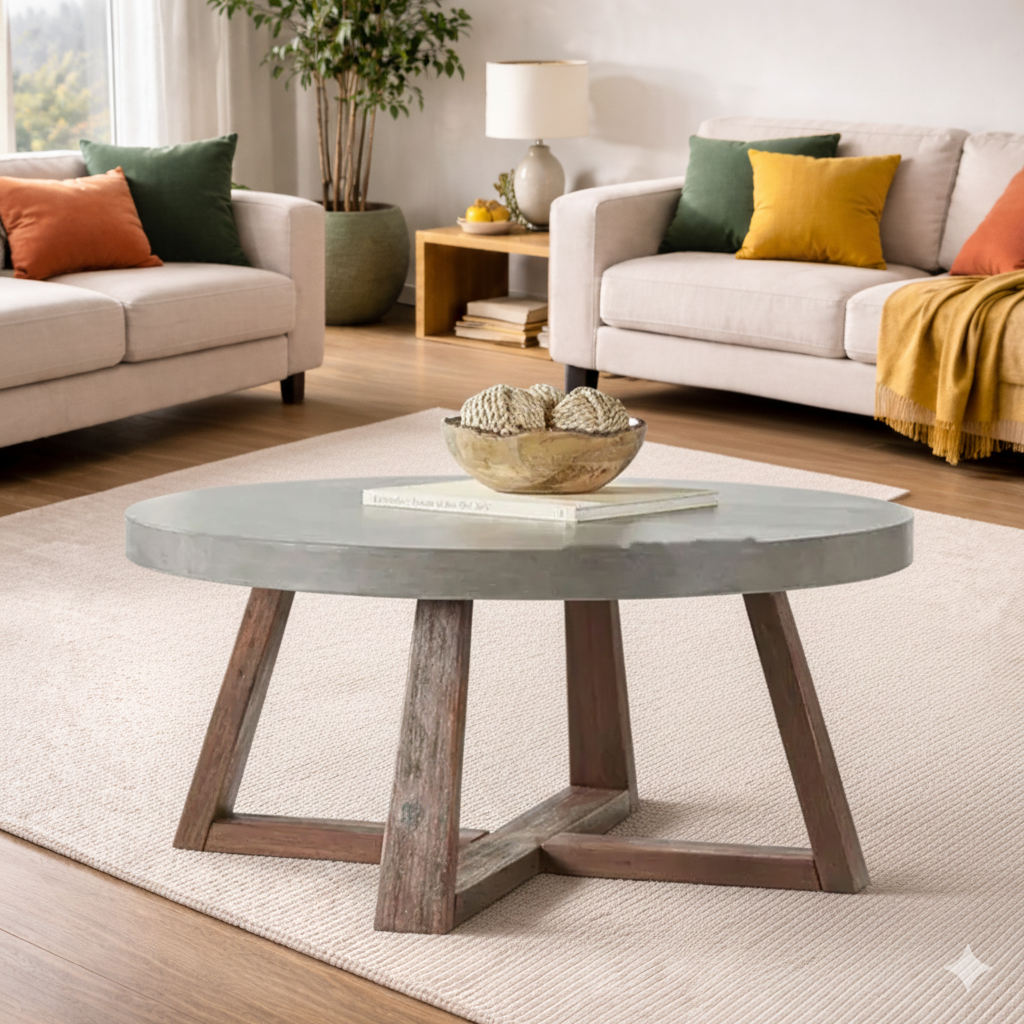
A tall planter can fill vertical space, while a low wide planter can complement a coffee table or lounge arrangement.
Dining Rooms and Open-Plan Spaces
Planter pots can subtly divide open-plan spaces without blocking light or movement. Use them between dining and lounge areas, near sliding doors, or beside architectural columns.
This approach creates zoning while keeping the space open and elegant.
Bedrooms and Quiet Corners
In bedrooms, choose calming planter styles with soft colors and gentle shapes. Avoid overly dramatic pots unless the room is large enough to support them.
A small planter on a side table, a medium pot near a window, or a tall plant in a quiet corner can make the bedroom feel more peaceful.
Balconies, Patios, and Gardens
Outdoor spaces benefit from grouped planters, repeated shapes, and durable materials. Use planters to create privacy, frame seating, highlight pathways, or add greenery to hard surfaces.
For balconies, choose planters that suit the available space and do not block movement. For patios and gardens, use a combination of tall, medium, and low planters to create depth.
How to Style Planter Pots Like a Designer
Professional styling is about balance, repetition, and restraint. The goal is not to add as many planters as possible. The goal is to place the right planters in the right way.
Group Pots in Odd Numbers
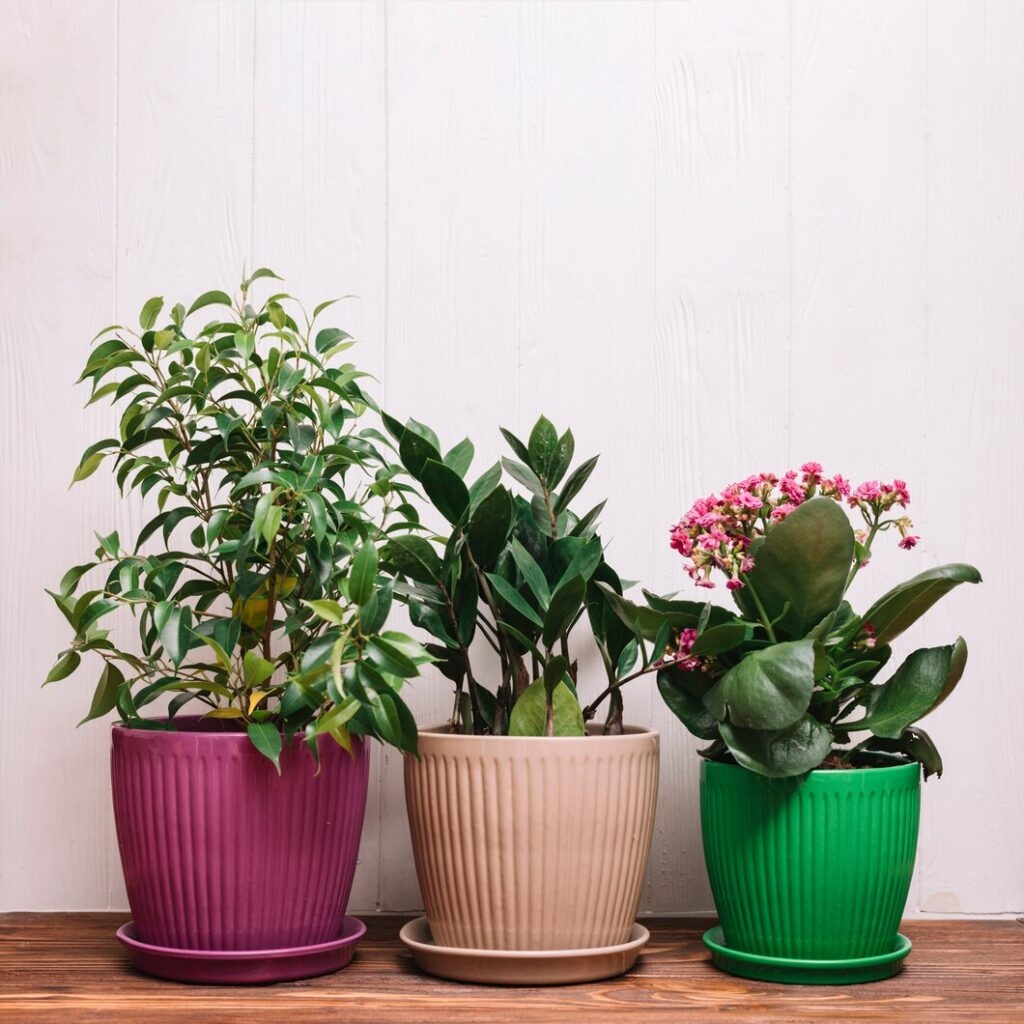
Groups of three or five often feel more natural than pairs, especially in casual indoor corners or garden arrangements. Vary the height and width of each pot while keeping the material or color palette consistent.
Mix Heights, Not Random Styles
A beautiful planter arrangement usually includes different heights. For example, combine one tall planter, one medium round pot, and one low sculptural bowl.
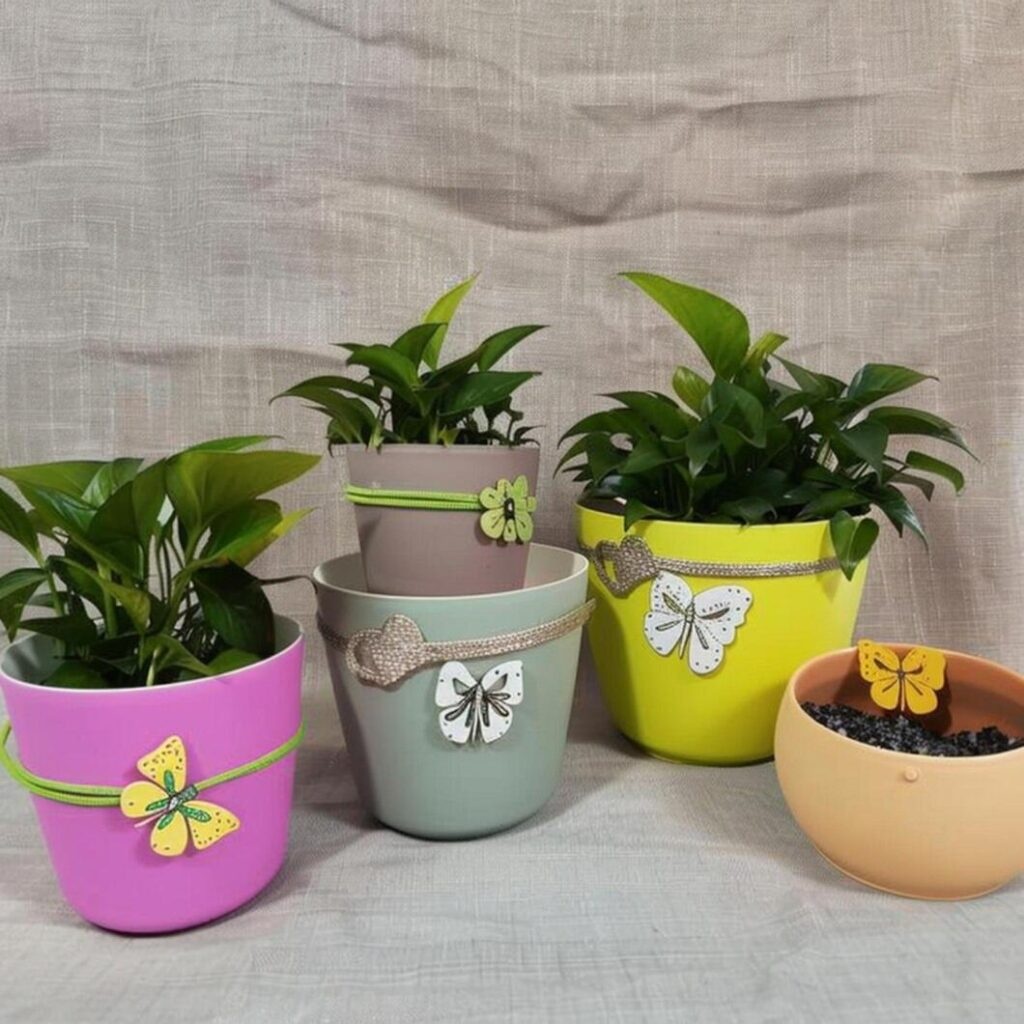
Avoid mixing too many unrelated styles. A ceramic pot, metal pot, terracotta pot, and brightly colored plastic pot in one small area may feel cluttered. Instead, choose variety within a clear design theme.
Pair Statement Pots with Simple Surroundings
If the planter has a bold shape, sculptural texture, or strong color, let it stand out. Keep nearby furniture, rugs, and accessories more understated.
This allows the planter to become a design moment rather than one more busy element in the room.
Use Repetition for a High-End Look
Repetition creates elegance. Use matching planters along pathways, beside entrances, around patios, or across a terrace. Repetition makes the space feel planned and luxurious.
For commercial-style interiors, hotels, villas, and outdoor landscapes, repeated planter forms can create a strong architectural rhythm.
Indoor vs. Outdoor Planter Pots: What to Consider
Indoor and outdoor planters have different priorities. A pot that works beautifully in a living room may not be suitable for direct sun, rain, or outdoor temperature changes.
Indoor Planter Priorities
Indoor planter pots should protect surfaces, match the décor, and make plant care easy. Consider drainage, saucers, liners, weight, and placement.
Choose planters that complement your furniture and do not interrupt movement through the room. In smaller spaces, use vertical height instead of large floor footprints.
Outdoor Planter Priorities
Outdoor planters should be stable, weather-appropriate, and well-draining. They should also be heavy enough to remain secure in wind, especially when holding tall plants.
For patios, gardens, and terraces, choose materials and finishes that suit the outdoor environment. Large planters can help define zones and give outdoor areas a more finished look.
Planters for Transitional Spaces
Covered patios, sunrooms, balconies, and entryways often need planters that bridge indoor and outdoor styling. These areas are perfect for modern planter pots that look elegant enough for interiors but strong enough for semi-outdoor use.
This is where versatile indoor-outdoor planters can be especially valuable.
Common Planter Pot Mistakes to Avoid
Choosing planter pots becomes easier when you know what to avoid. Many design and plant-care problems come from ignoring scale, drainage, or consistency.
1. Choosing Style Over Function
A beautiful planter still needs to work for the plant. Before buying, check the size, depth, drainage, stability, and placement. A stylish pot that damages the plant will not enhance the home for long.
2. Ignoring Scale
Small pots can look lost in large spaces. Oversized pots can overwhelm compact rooms. Always consider the size of the room, the height of the ceiling, and the surrounding furniture.
A planter should feel proportional to both the plant and the space.
3. Forgetting About Drainage
Poor drainage is one of the most common planter mistakes. Always consider how water will leave the pot and how surfaces will be protected.
For decorative pots without drainage, use an inner liner or nursery pot so the plant can be watered properly.
4. Mixing Too Many Styles at Once
Too many colors, materials, shapes, and finishes can make a room feel visually busy. Choose a consistent palette and repeat it throughout the home.
This creates a more refined, designer-level result.
Conclusion: Choosing Planter Pots That Bring Your Home to Life
Choosing the right planter pot is about more than finding something attractive. It is about creating harmony between the plant, the pot, and the space around it. The best planter pots support healthy growth, enhance the home’s design, and turn greenery into an intentional part of the décor.
Start with the plant’s needs, then consider size, material, drainage, shape, color, and placement. For modern interiors, choose clean lines and refined finishes. For luxury homes and outdoor spaces, consider sculptural planters, oversized forms, and durable materials. For natural or Mediterranean-inspired spaces, use earthy tones and organic textures.
When chosen thoughtfully, planter pots can transform ordinary corners, elevate entrances, define patios, soften interiors, and bring a sense of life into every room. Whether you are styling a compact apartment, a contemporary villa, a garden terrace, or a professional interior project, the right planter pot can complete the space with elegance, balance, and lasting visual impact.
For a refined home décor approach, explore planter pots that combine craftsmanship, durability, and modern design. A well-selected planter does more than hold a plant; it completes the room.