Free Shipping to Alex and Cairo●Installment with VALU●Installment with Halan●Installment with Aman●Free Shipping to Alex and Cairo●Installment with KLIVVR●Installment with SOUHOOLA●Installment with FORSA●
Free Shipping to Alex and Cairo●Installment with VALU●Installment with Halan●Installment with Aman●●Free Shipping to Alex and Cairo●Installment with KLIVVR●Installment with SOUHOOLA●Installment with FORSA●
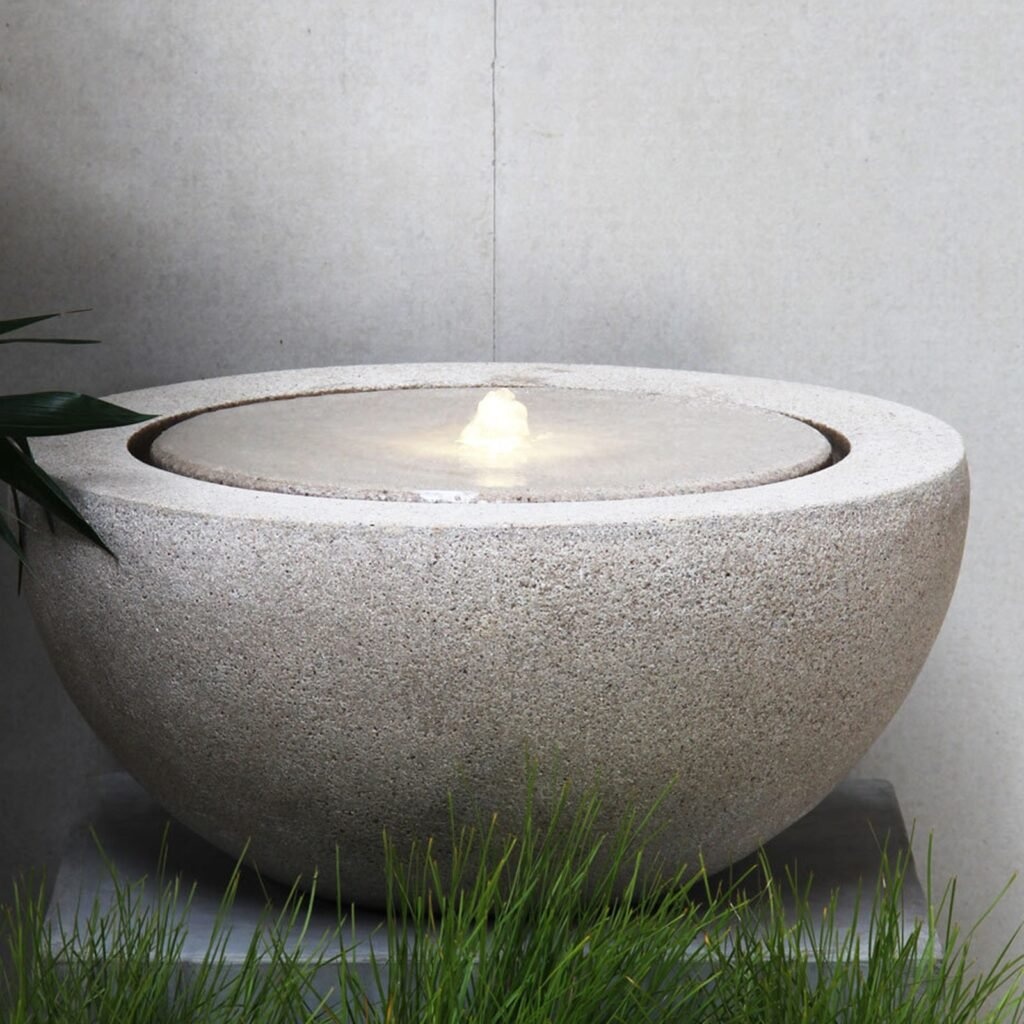
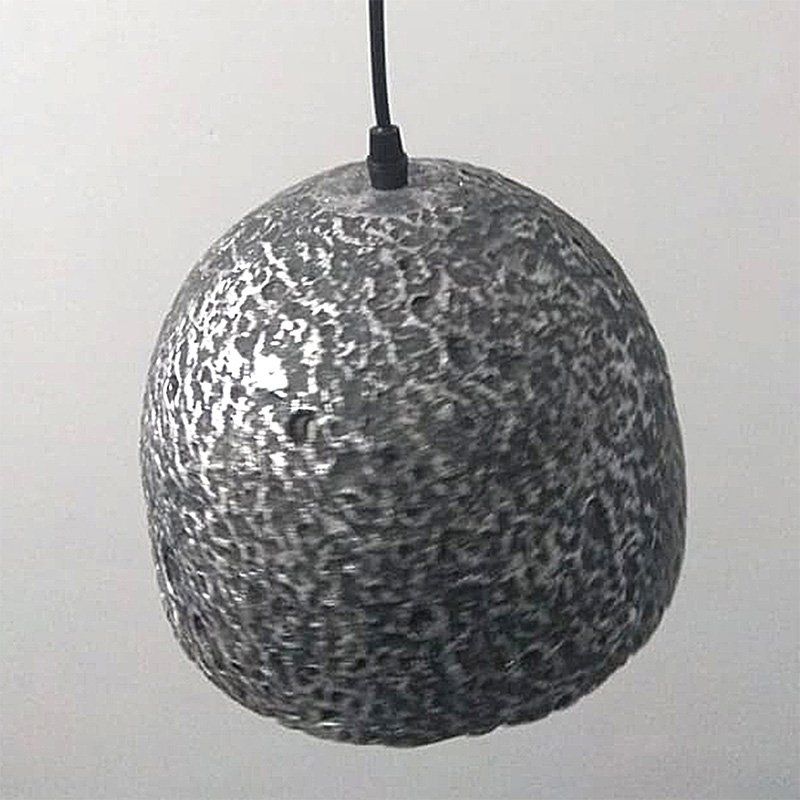
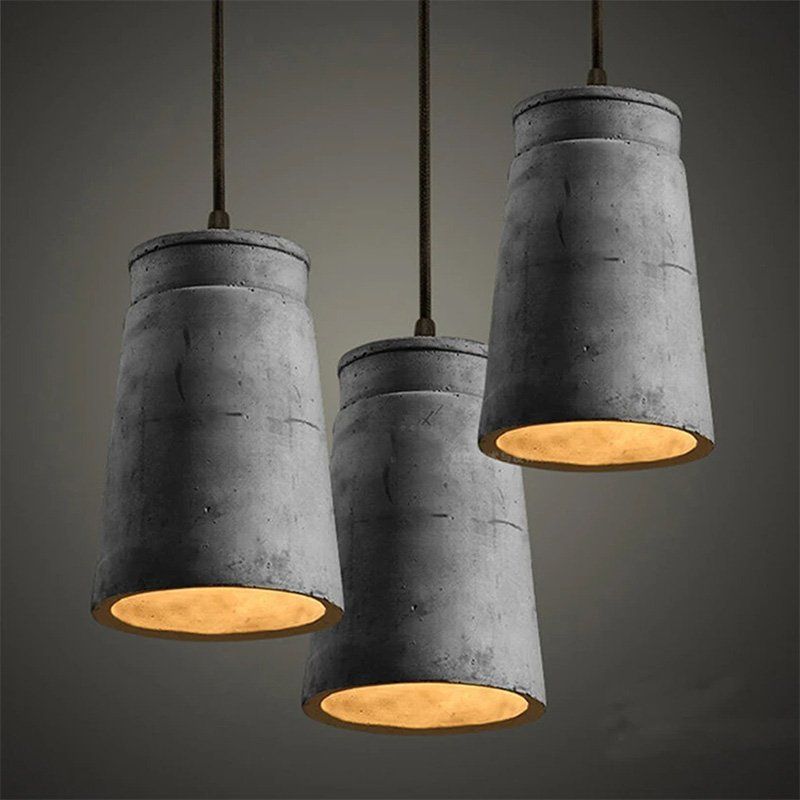
Choosing between polyester stone vs fiberglass can be confusing because both materials can look beautiful in home décor. At first glance, a decorative column, wall panel, planter, sculpture, basin, or faux-stone accent may look like real stone, even if it is made from resin-based materials.
The difference becomes clearer when you think about how the item will be used. Polyester stone usually feels heavier, denser, and more like natural stone. It is a strong choice when you want a premium, solid, elegant finish. Fiberglass, on the other hand, is lighter, easier to move, easier to install, and better for large or custom-shaped décor pieces.
So, which one is better? The answer depends on your space, your style, and how much weight, durability, texture, and flexibility matter to you.
What Is Polyester Stone?
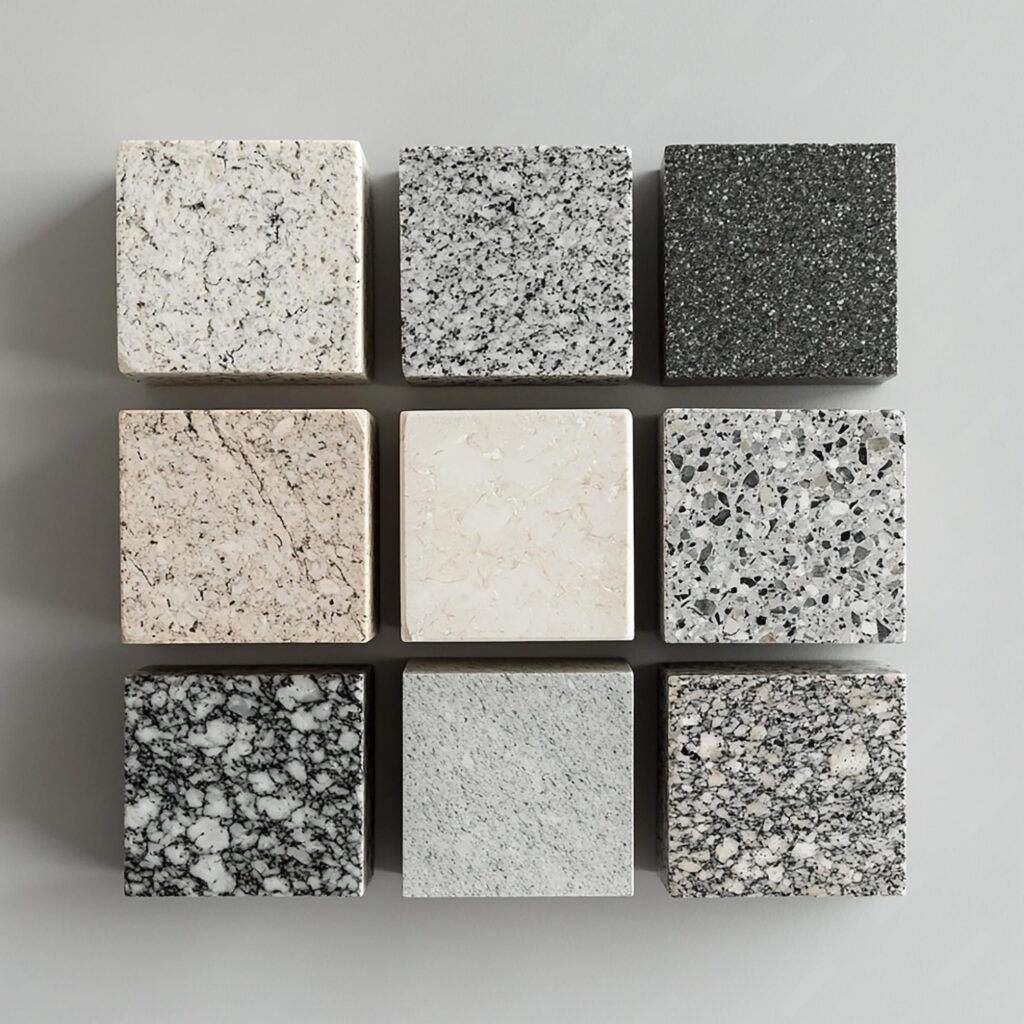
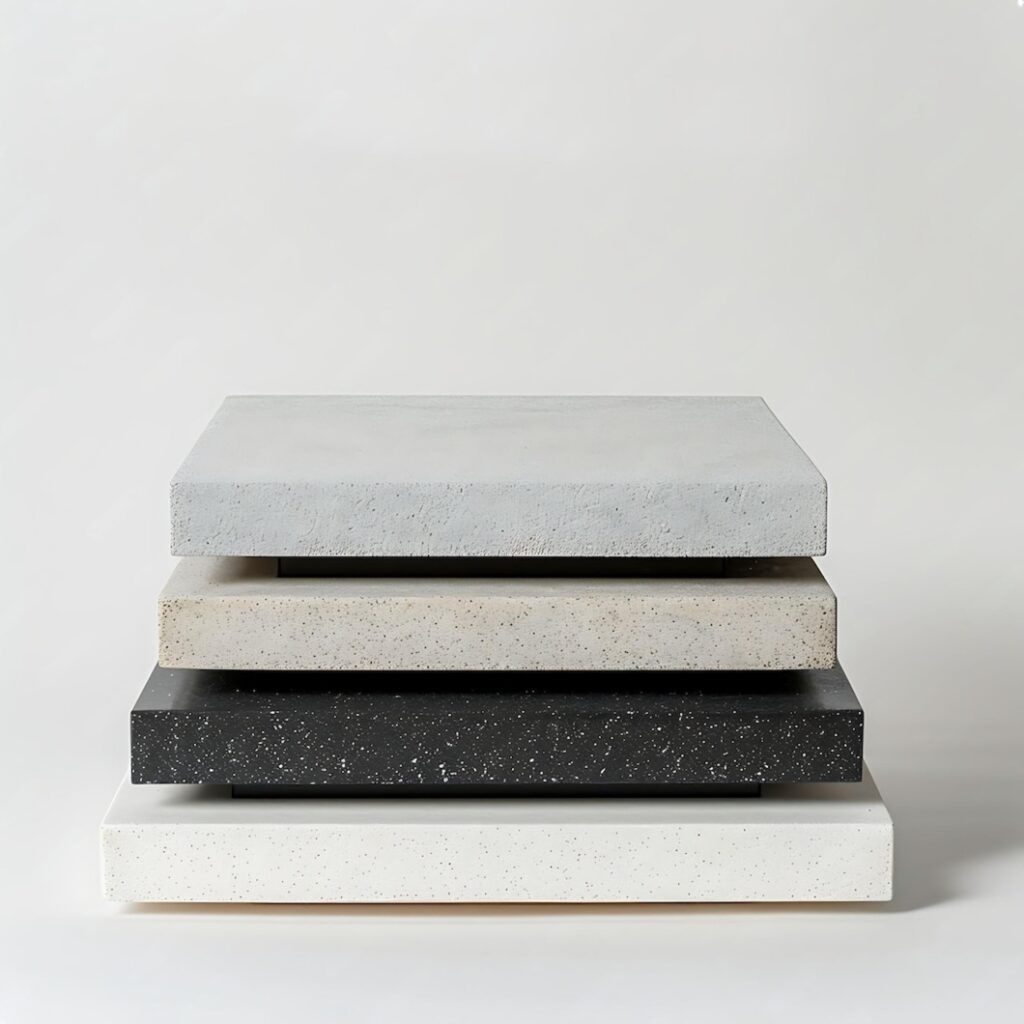
Polyester stone is an engineered decorative material made by mixing polyester resin with mineral fillers, stone powder, pigments, and other additives. It is often used to create a stone-like look without the cost, weight, or cutting process of natural marble, granite, limestone, or travertine.
In home décor, polyester stone is commonly used for:
Bathroom basins
Vanity tops
Decorative trays
Sculptures
Wall accents
Fireplace surrounds
Tabletops
Bowls and accessories
Faux-stone architectural details
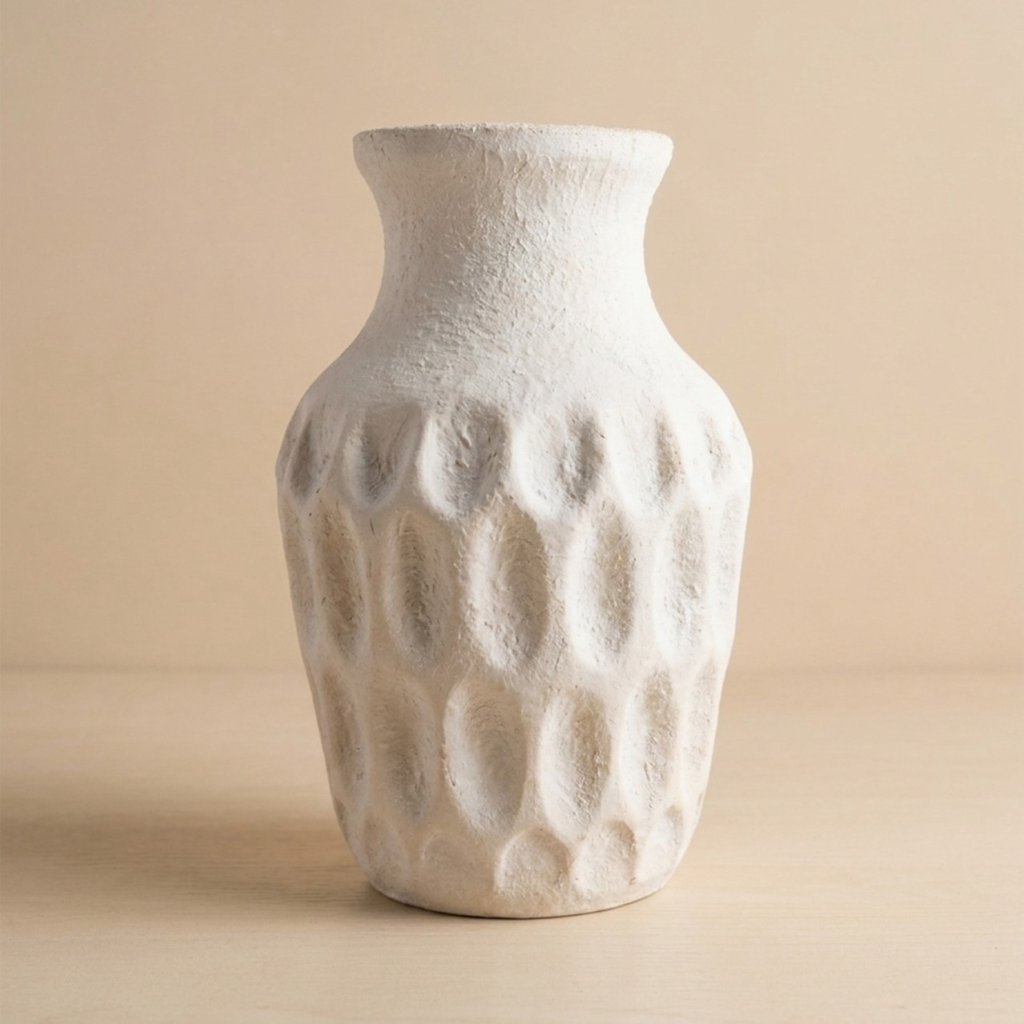
One of the biggest advantages of polyester stone is its solid feel. It often feels heavier and more premium than fiberglass. When you touch it or tap it, it usually gives a dense, stone-like impression instead of a hollow sound.
This makes polyester stone ideal for décor pieces that people will see and touch up close.
What Is Fiberglass?
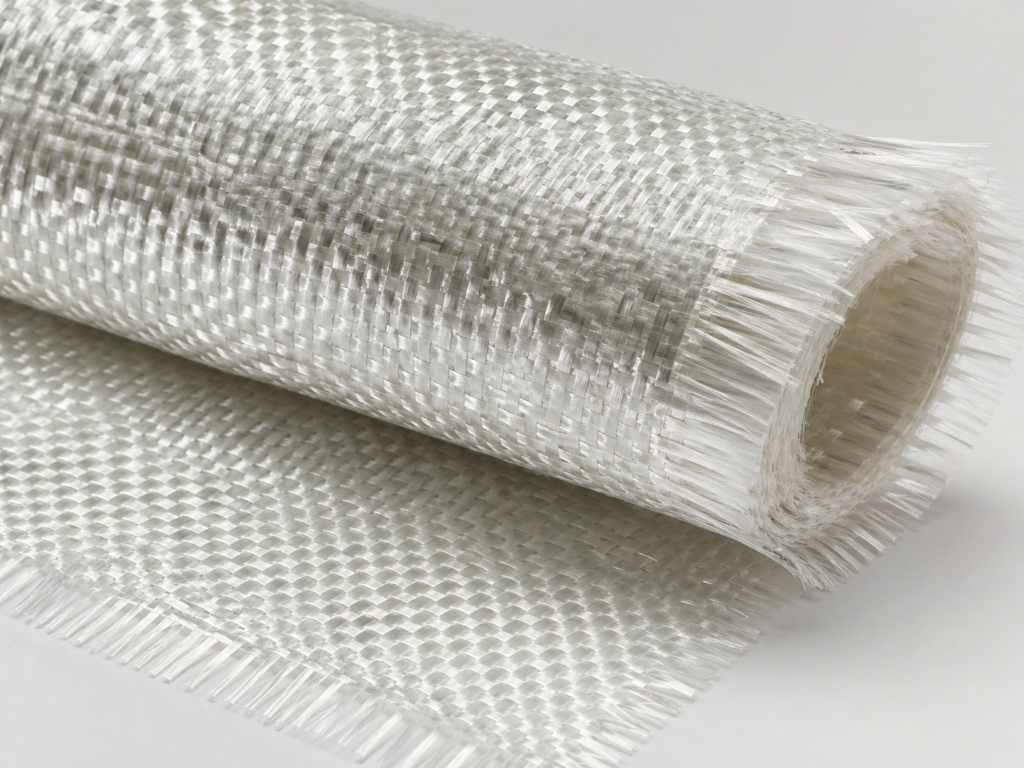
Fiberglass is a composite material made from fine glass fibers combined with resin. It is also known as FRP, or fiber-reinforced plastic. The glass fibers add strength, while the resin holds the shape together.
Fiberglass is popular in home décor because it is lightweight, strong, and easy to mold into different shapes. It is often used for:
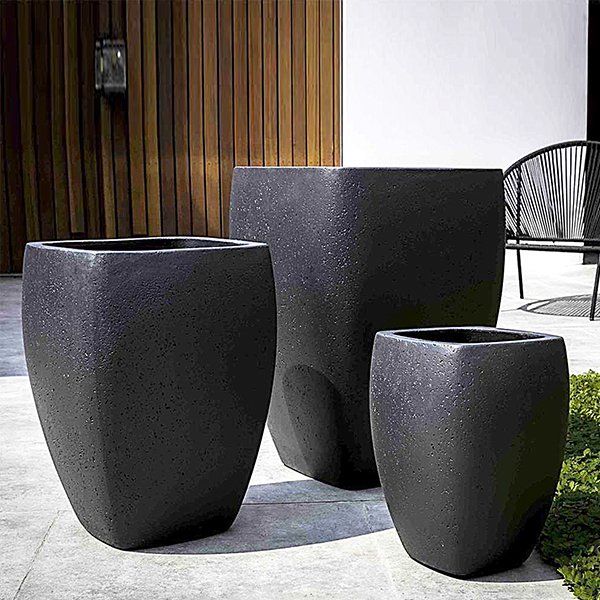
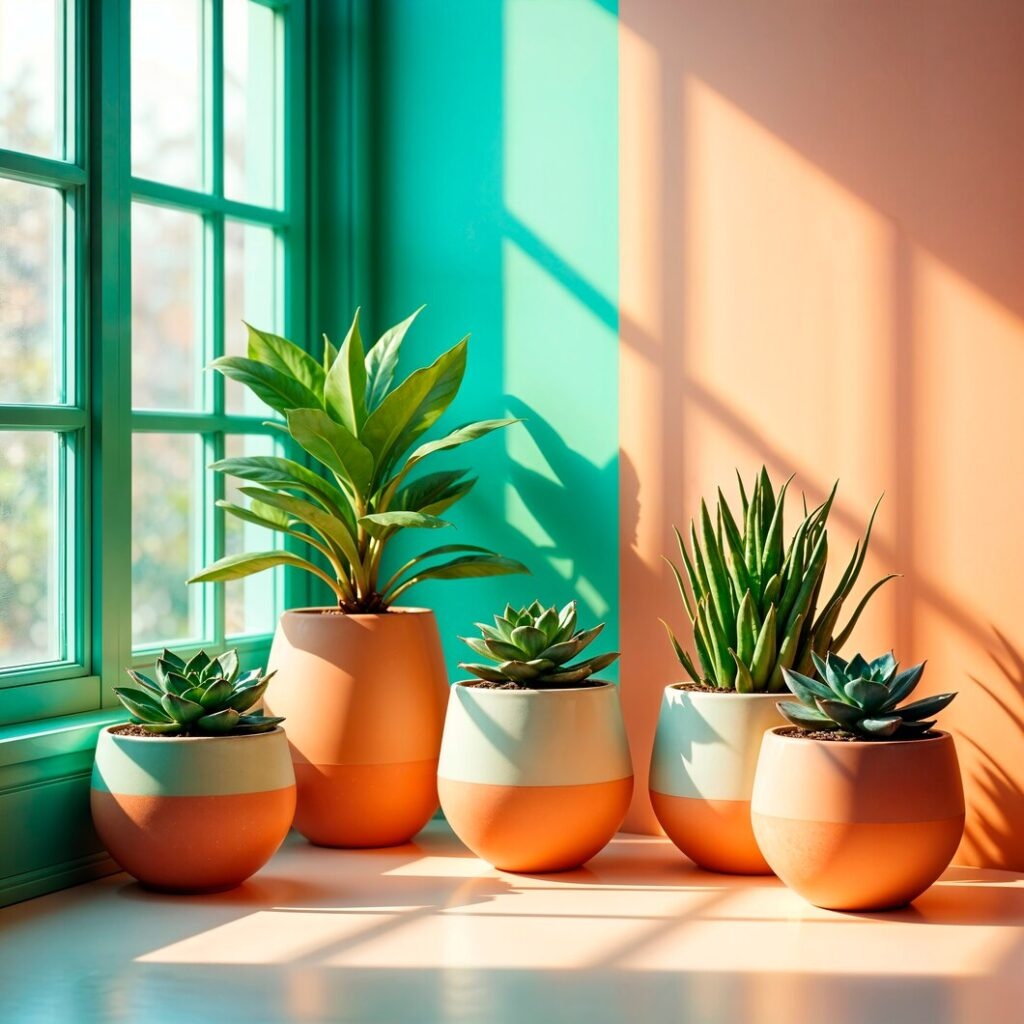
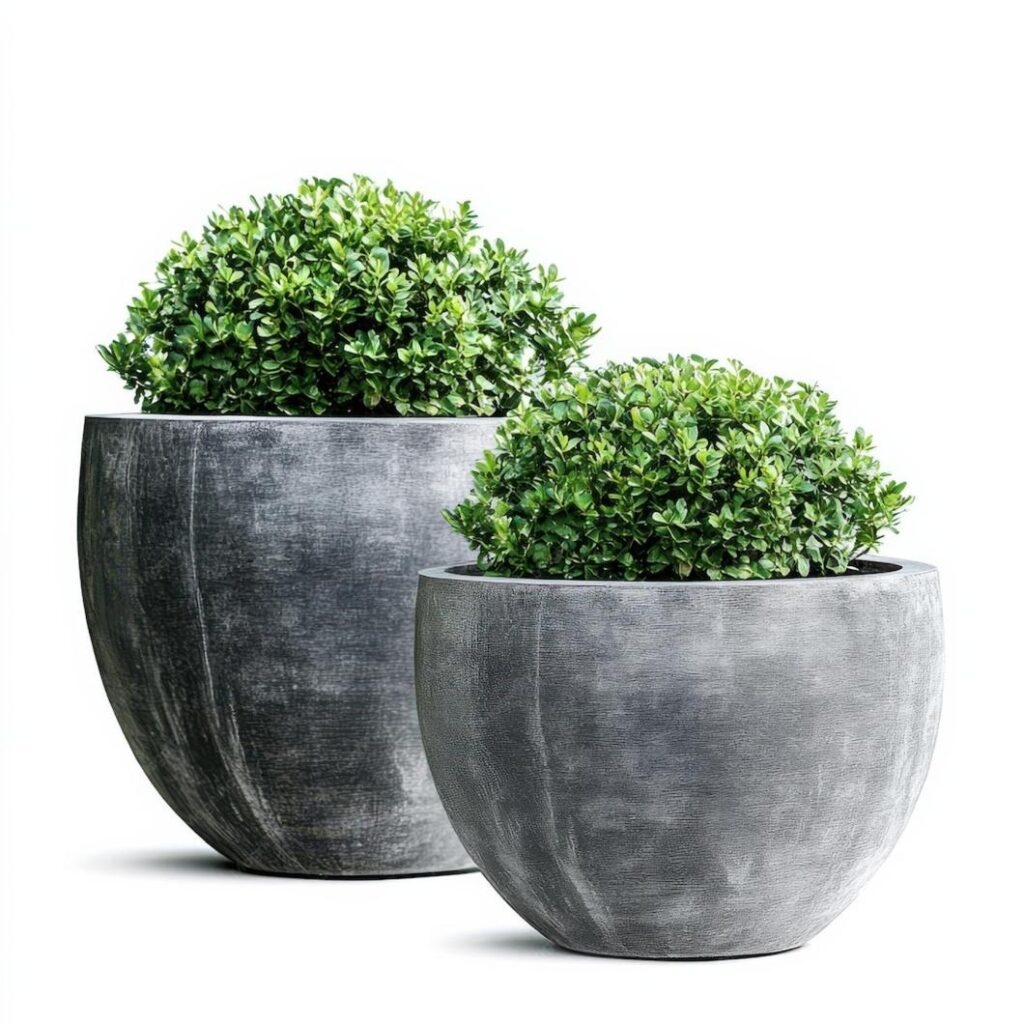
Large planters
Wall panels
Faux columns
Outdoor décor
Sculptural furniture
Decorative moldings
Ceiling features
Bathtub surrounds
Garden sculptures
Custom architectural forms
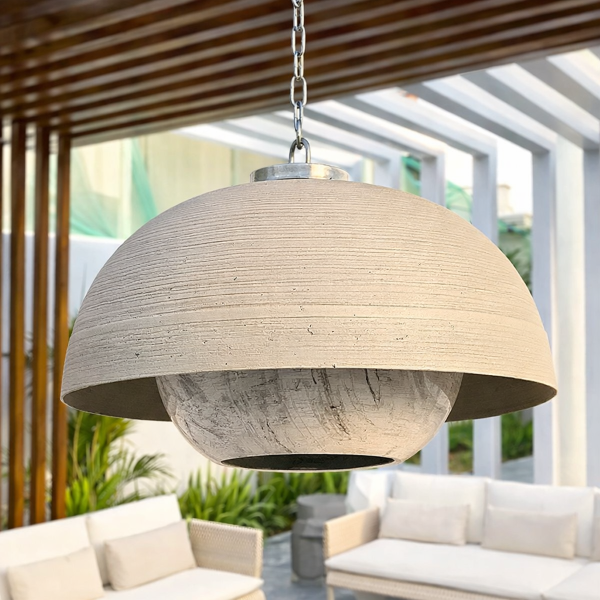
Fiberglass is especially useful when you want a large decorative piece without the heavy weight of stone or polyester stone. It can create dramatic designs while staying easier to transport, lift, and install.
Polyester Stone vs Fiberglass: Main Differences
The biggest difference between polyester stone and fiberglass is how they feel and perform in real homes.
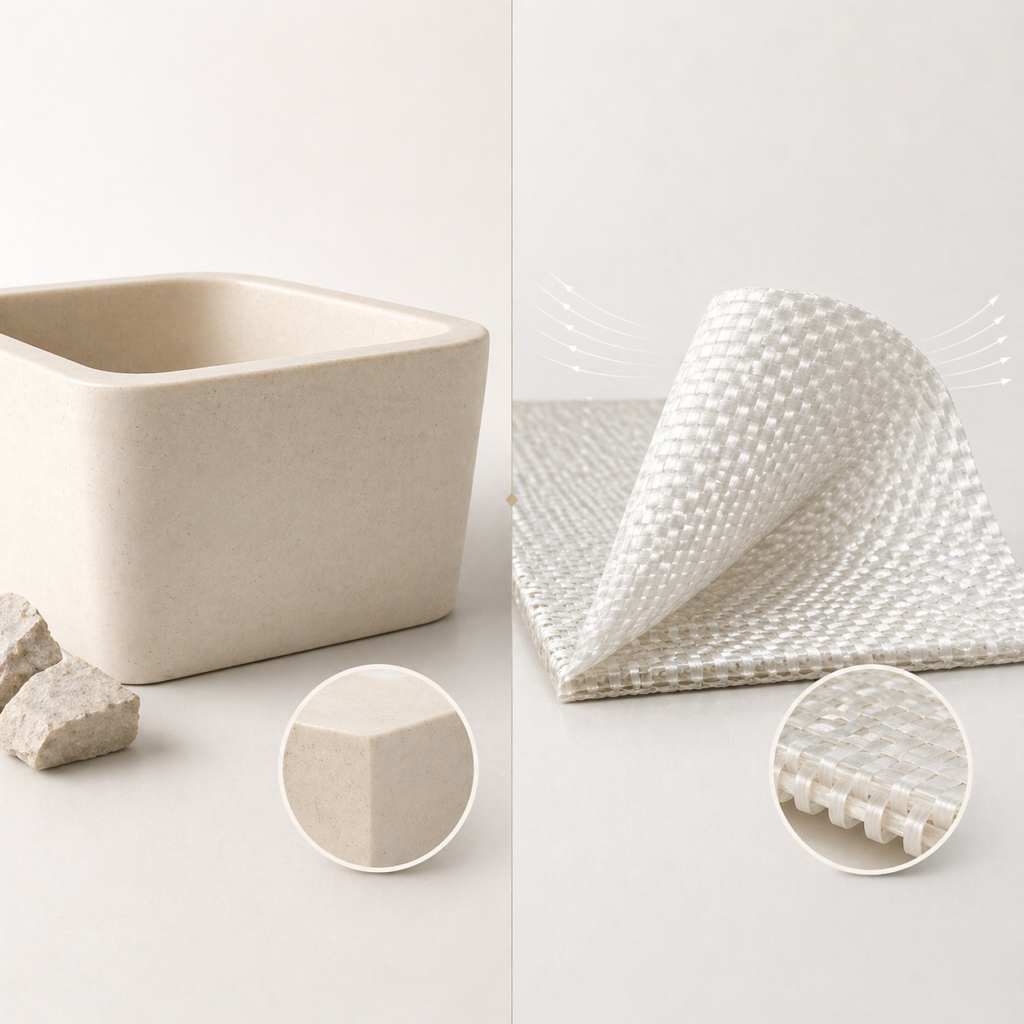
Polyester stone feels more solid, heavy, and stone-like. It is better for premium decorative pieces where texture and weight matter. Fiberglass is lighter and more flexible in design. It works better for large pieces, outdoor décor, wall features, and custom shapes.
Feature
Polyester Stone
Fiberglass
Feel
Dense and stone-like
Lightweight and sometimes hollow
Best For
Premium close-up décor
Large and custom décor
Weight
Heavier
Much lighter
Installation
May need stronger support
Easier to install
Design Flexibility
Good
Excellent
Surface Appeal
More natural and tactile
Depends on finish quality
Durability
Hard but can chip
Strong but can crack
Moisture Resistance
Good with proper finish
Good with proper coating
Repair
Chips may be harder to hide
Cracks can often be patched
Weight and Installation
Weight is one of the most important factors when comparing polyester stone vs fiberglass.
Polyester stone is heavier because it contains mineral fillers. This weight makes it feel luxurious and stable. A polyester stone tray, sculpture, basin, or tabletop accessory can instantly make a room feel more refined.
However, the same weight can make installation harder. Large polyester stone panels or fireplace surrounds may need strong wall anchors, reinforced surfaces, or professional installation.
Fiberglass is much easier to handle. It is lightweight enough for larger wall panels, ceiling designs, outdoor planters, and faux columns. This makes it a practical choice for apartments, patios, balconies, and spaces where heavy materials are not ideal.
Durability and Strength
Both polyester stone and fiberglass can be durable, but they handle damage differently.
Polyester stone is hard and dense. It can resist normal daily use, especially indoors. It works well for bathroom accessories, vanities, trays, sculptures, and decorative objects. However, sharp impact can chip the edges or corners.
Fiberglass is strong because it is reinforced with glass fibers. It can handle stress well, especially in large curved or shell-like forms. But if it is too thin or poorly made, it may crack, split, or puncture under strong impact.
For close-up, solid décor, polyester stone often feels more durable. For large lightweight structures, fiberglass is usually more practical.
Moisture, Heat, and Sunlight Resistance
Both materials can work well in damp areas, but the finish matters.
Polyester stone can perform well in bathrooms and kitchens when it is properly sealed and finished. It is often used for basins, vanity tops, and bath accessories. However, harsh cleaners, standing water, or damaged coatings may affect the surface over time.
Fiberglass is also moisture-resistant, which is why it is used in bathtubs, boats, shower panels, and outdoor décor. A well-coated fiberglass planter or wall panel can handle humidity and outdoor conditions.
Heat is more sensitive for both materials. Neither polyester stone nor fiberglass should be treated like granite or ceramic. Avoid placing hot pans, candles, or direct flames on either material.
Sunlight can also affect both materials if they are not UV-protected. If the item will be near a sunny window or outdoors, choose a product with UV-resistant coating.
Cleaning and Maintenance
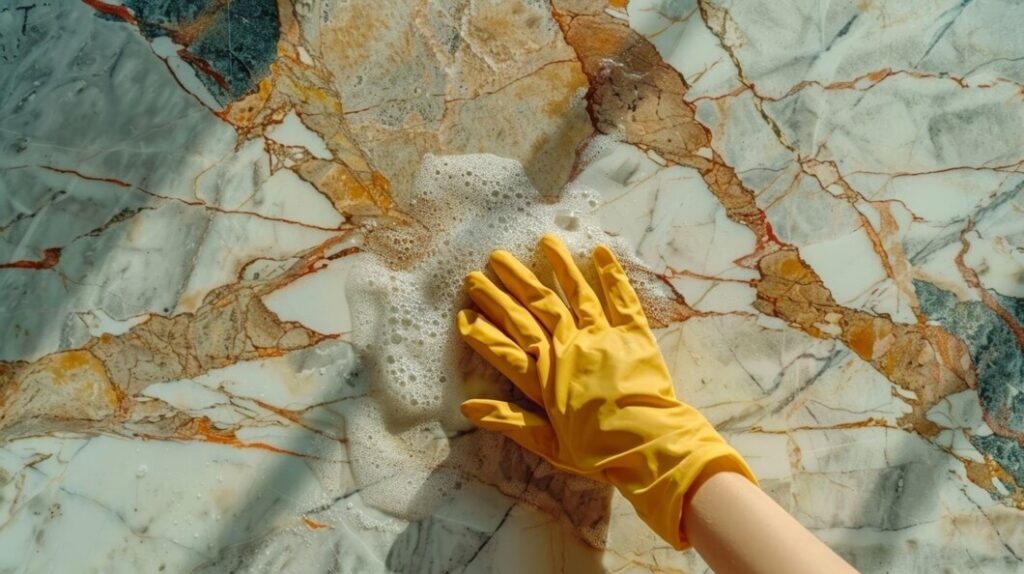
Polyester stone is easy to clean when treated gently. Use mild soap, water, and a soft cloth. Avoid abrasive pads, bleach-heavy cleaners, acidic products, and harsh chemicals.
Fiberglass is also low-maintenance, especially if it has a smooth gel coat or painted finish. Dusting, rinsing, and mild soap are usually enough.
The main rule for both materials is simple: protect the finish. Once the surface becomes scratched or dull, dirt and stains become harder to remove.
Best Uses for Polyester Stone
Polyester stone is the better choice when you want décor that feels solid, elegant, and close to natural stone.
It works best for:
Bathroom basins
Vanity accessories
Decorative trays
Sculptures
Fireplace surrounds
Tabletops
Bowls
Candle holders
Premium indoor accents
Polyester stone is ideal for pieces that people will touch, notice, and admire up close. It adds a sense of weight, calm, and quiet luxury to a space.
Best Uses for Fiberglass
Fiberglass is the better option when you want something large, lightweight, and easy to install.
It works best for:
Large planters
Outdoor décor
Faux columns
Wall panels
Decorative screens
Ceiling features
Sculptural furniture
Custom curved designs
Garden features
Fiberglass is especially useful when you want visual impact without adding too much weight. It is also a smart choice for patios, balconies, gardens, rental homes, and commercial-style interiors.
Which Material Looks Better?
Polyester stone usually looks and feels more premium up close because it has a denser, more stone-like surface. It works beautifully in neutral, organic, minimalist, Mediterranean, rustic, and luxury interiors.
Fiberglass can also look excellent, but its appearance depends heavily on the surface finish. High-quality fiberglass can imitate stone, concrete, wood, metal, or ceramic. Low-quality fiberglass, however, may look thin, shiny, or artificial.
If touch and realism matter most, polyester stone often wins. If size, shape, and design freedom matter more, fiberglass is often the better choice.
Cost and Long-Term Value
Prices vary depending on size, quality, brand, finish, and installation.
Fiberglass is often more cost-effective for large pieces because it is lighter to ship and easier to install. This can reduce hidden costs, especially for wall panels, planters, and oversized décor.
Polyester stone may offer better value for smaller premium pieces because it feels more expensive and substantial. A polyester stone tray, basin, or sculpture can elevate a space without needing to be very large.
A smart approach is to use polyester stone where touch and quality matter, and fiberglass where size and flexibility matter.
Sustainability and Indoor Comfort
Neither material is perfectly sustainable because both usually contain resin, which can make recycling difficult. However, sustainability also depends on how long the product lasts.
A well-made polyester stone piece that stays in your home for many years is better than a cheap item that gets replaced quickly. The same applies to fiberglass. A durable fiberglass planter or wall panel can be a practical long-term choice if it is properly made and maintained.
For indoor use, choose products from reputable manufacturers. New resin-based products may have odors, so proper ventilation is helpful when bringing new pieces indoors.
Final Verdict: Polyester Stone vs Fiberglass
So, which material is better for home décor?
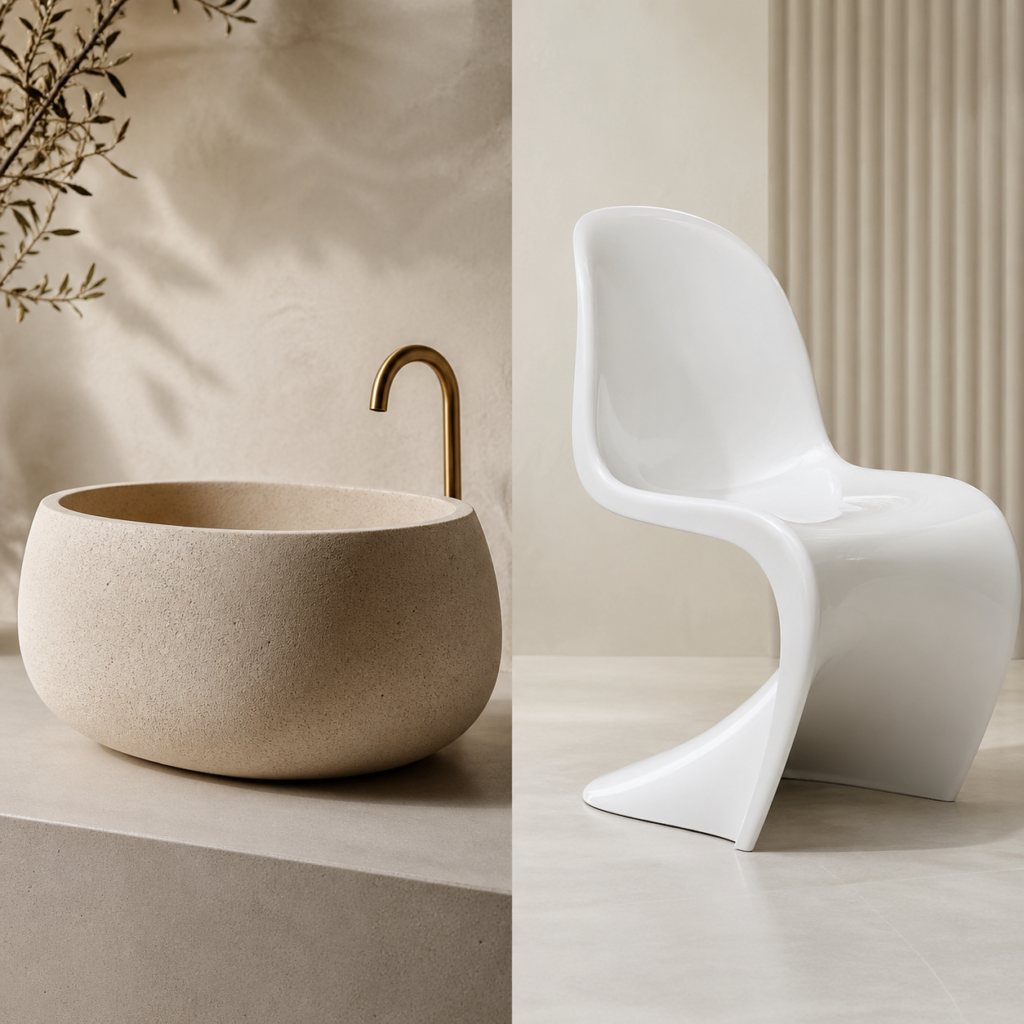
Polyester stone is better when you want a solid, premium, stone-like finish. It is ideal for basins, trays, sculptures, bathroom accessories, fireplace details, and decorative pieces that people will see and touch up close.
Fiberglass is better when you want something lightweight, large, custom-shaped, or easy to install. It is ideal for planters, wall panels, faux columns, outdoor décor, ceiling features, and bold sculptural designs.
The best choice depends on your needs. Choose polyester stone for elegance, texture, and permanence. Choose fiberglass for scale, flexibility, and convenience.
For the best home décor results, use each material where it performs best.