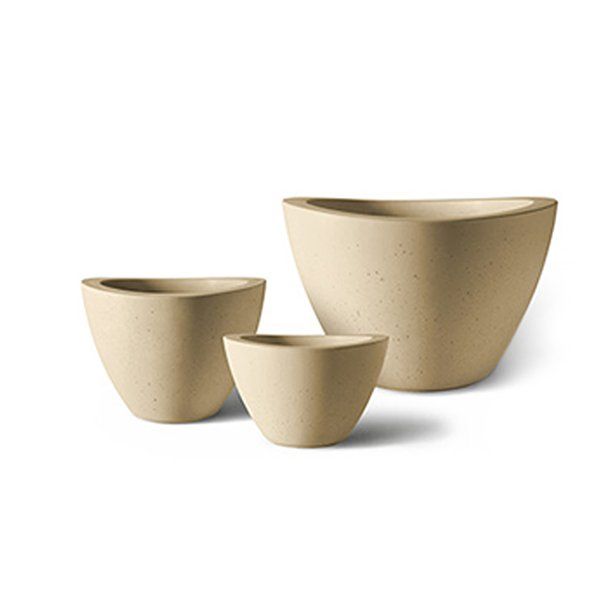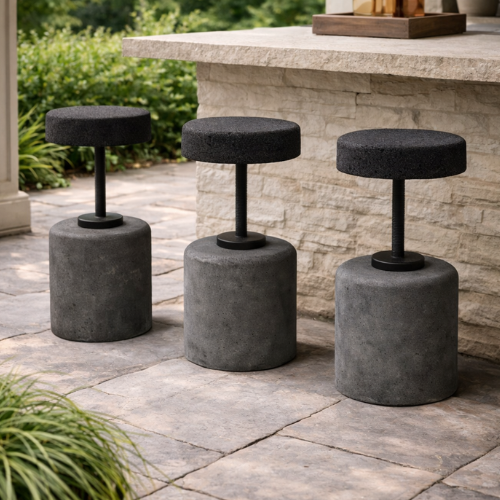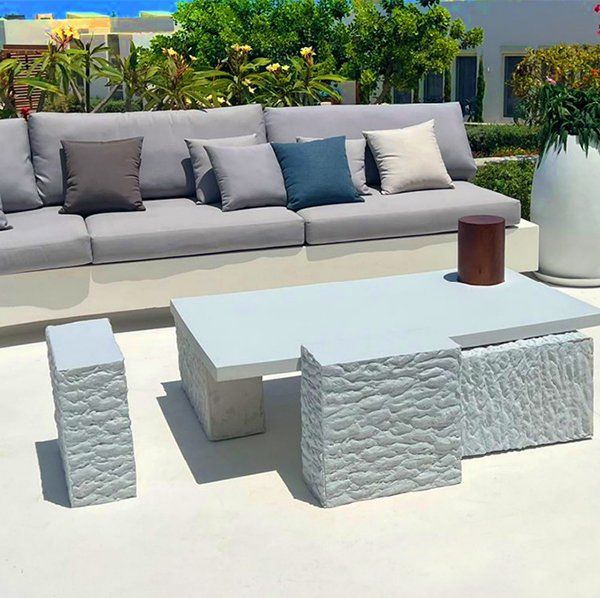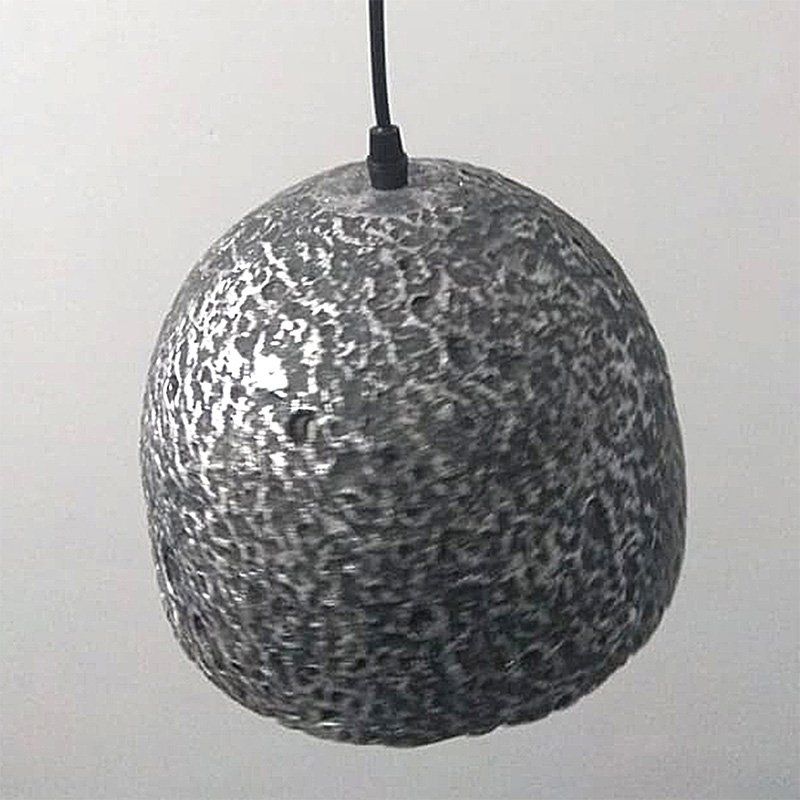
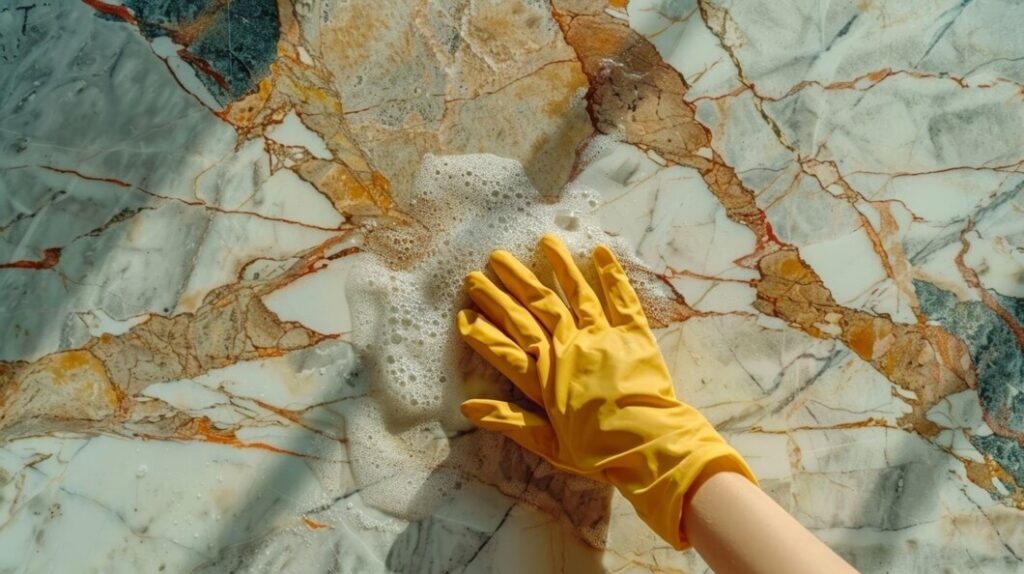
تضفي الديكورات والأثاث المصنوعة من الحجر البوليستر المظهر الراقي للحجر على المنازل والمكاتب وصالات العرض والحدائق والفناءات ومساحات الضيافة، دون أن تتطلب نفس الوزن أو متطلبات الصيانة التي تتطلبها العديد من مواد الحجر الطبيعي. من اللمسات النحتية والأوعية الزخرفية إلى الطاولات الجانبية وأحواض النباتات وأسطح الطاولات والأثاث المميز، تُقدَّر قطع الحجر المصنوعة من البوليستر لمظهرها الأنيق وتعدد استخداماتها ومتانتها.
ومع ذلك، فإن الأسطح الزخرفية المتينة تحتاج هي الأخرى إلى العناية المناسبة. فقد يؤدي تنظيف الحجر البوليستر بطريقة خاطئة إلى فقدان اللمعان أو ظهور الخدوش أو تراكم البقايا أو البقع أو تلف الطبقة الواقية. والخبر السار هو أن صيانة الديكورات المصنوعة من الحجر البوليستر تكون عادةً سهلة عند استخدام طرق تنظيف لطيفة والأدوات المناسبة واتباع روتين عناية منتظم.
يشرح هذا الدليل كيفية تنظيف الديكورات والأثاث المصنوع من حجر البوليستر بأمان، والمنتجات التي يجب تجنبها، وكيفية الوقاية من البقع والخدوش، وكيفية الحفاظ على مظهر كل قطعة لامعًا لسنوات طويلة.
ما هو الديكور والأثاث المصنوع من حجر البوليستر؟
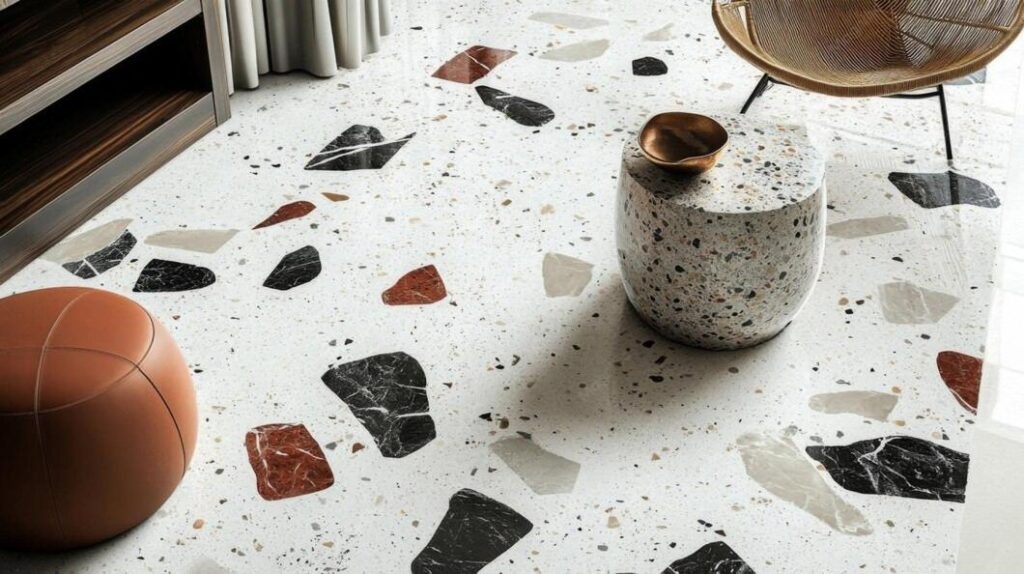
يشير مصطلح "ديكورات الحجر البوليستر" عمومًا إلى القطع الزخرفية أو قطع الأثاث المصنوعة من مادة مركبة قائمة على الراتنج ومصممة لتبدو وكأنها حجر. ووفقًا للشركة المصنعة، قد تتضمن هذه المادة راتنج البوليستر، أو مواد حشو معدنية، أو مسحوق الحجر، أو أصباغ، أو طلاءات، أو تشطيبًا مزخرفًا يحاكي مظهر الرخام، أو الحجر الجيري، أو الترافرتين، أو الخرسانة، أو الحجر المنحوت.
نظرًا لأن الحجر المصنوع من البوليستر غالبًا ما يكون مغطى بطبقة خارجية أو طبقة تشطيب، فيجب التعامل معه بطريقة مختلفة عن الحجر الطبيعي الصلب. فقد يبدو قويًا وثقيلًا، لكن الطبقة الخارجية قد تتأثر بالمنظفات الكاشطة أو المواد الكيميائية القوية أو الفوط الخشنة أو الحرارة المفرطة أو التعرض غير المناسب للعوامل الخارجية.
لماذا التنظيف السليم مهم
تساعد العناية المناسبة في الحفاظ على مظهر وبنية الديكورات الحجرية المصنوعة من البوليستر. ويمكن أن يساعد اتباع روتين تنظيف لطيف في ذلك:
- الحفاظ على مظهر السطح
- تقليل البهتان وتغير لون البشرة
- تجنب الخدوش وعلامات الاحتكاك
- إزالة الغبار والزيوت وبصمات الأصابع والبقع
- حماية الأخاديد الزخرفية والتفاصيل المزخرفة
- إطالة عمر الأثاث وقطع الديكور
للحصول على أفضل النتائج، احرص دائمًا على الجمع بين أفضل ممارسات التنظيف العامة وتعليمات العناية المحددة التي يقدمها المصنع للمنتج الخاص بك.
كم مرة يجب تنظيف الديكورات الحجرية المصنوعة من البوليستر؟
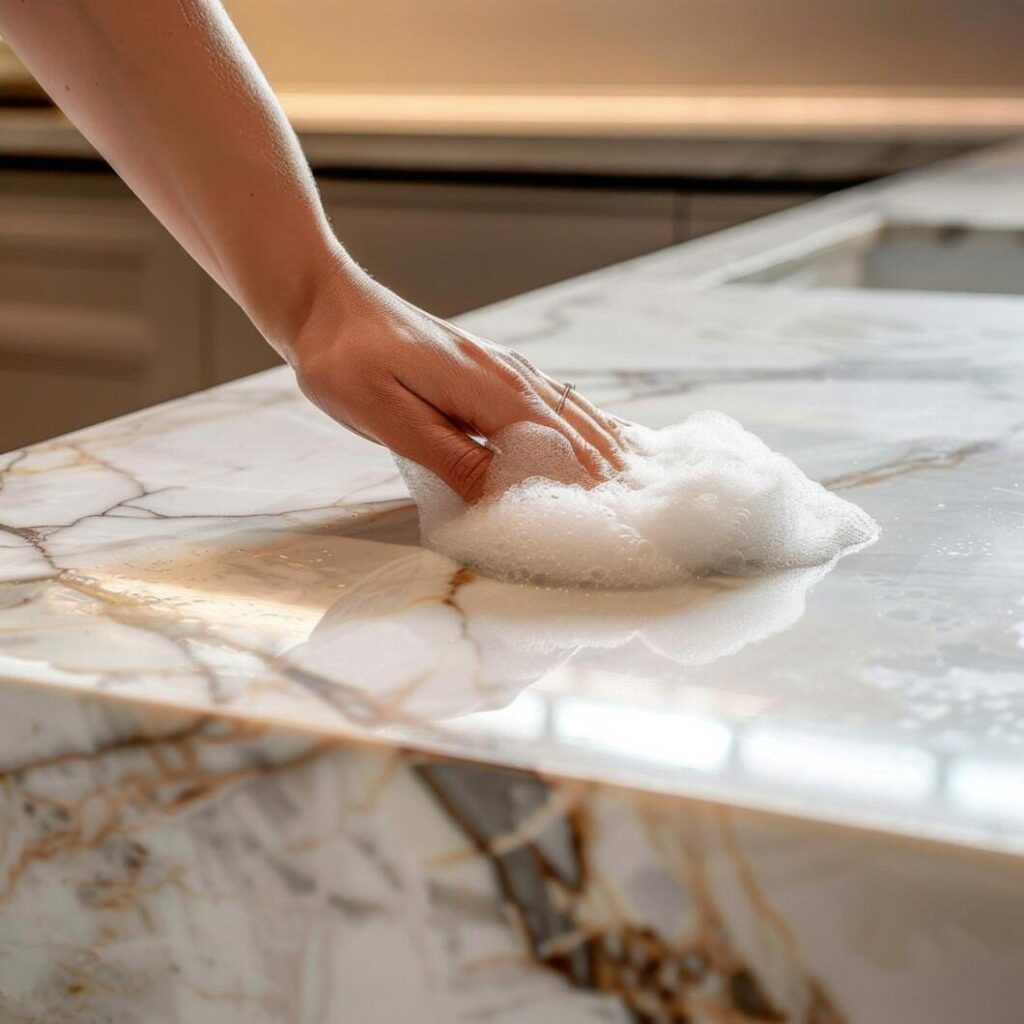
يعتمد جدول التنظيف المناسب على مكان وضع القطعة ومدى تكرار استخدامها. فقد لا تحتاج التمثال الزخرفي الموضوع على الرف سوى إلى مسح خفيف للغبار، في حين أن طاولة القهوة المصنوعة من الحجر البوليستر أو سطح طاولة الطعام أو أصيص النباتات الخارجي قد يتطلب عناية أكثر تواتراً.
التنظيف الأسبوعي من الغبار
قم بإزالة الغبار عن الديكورات الحجرية المصنوعة من البوليستر مرة واحدة على الأقل أسبوعياً باستخدام قطعة قماش ناعمة من الألياف الدقيقة أو قطعة قماش نظيفة وخالية من النسالة. فهذا يساعد على منع تراكم الغبار في الأسطح المزخرفة أو التفاصيل المنحوتة أو خطوط التماس أو الأخاديد الزخرفية.
بالنسبة للقطع ذات التصاميم المعقدة، استخدم فرشاة ناعمة مع الضغط برفق لإزالة الغبار من الشقوق الصغيرة. تجنب استخدام الفرشاة الخشنة، لأنها قد تخدش السطح أو تتسبب في تآكله بمرور الوقت.
التنظيف الخفيف الشهري
قم بتنظيف السطح مرة كل شهر باستخدام صابون معتدل وماء دافئ لإزالة الزيوت وبصمات الأصابع والبقع والتراكمات الخفيفة. ويُعد هذا الإجراء مفيدًا بشكل خاص للقطع الموضوعة في الأماكن المزدحمة، أو بالقرب من النوافذ، أو في الحمامات، أو في المطابخ، أو في الشرفات المغطاة.
التنظيف الفوري للبقع
يجب تنظيف البقع في أسرع وقت ممكن. فالسوائل والزيوت ومستحضرات التجميل والأطعمة والمشروبات الملونة والأوساخ وشمع الشموع وبقايا النباتات قد تترك آثارًا إذا بقيت على السطح لفترة طويلة.
أفضل طريقة لتنظيف الديكورات الحجرية المصنوعة من البوليستر دون إتلافها
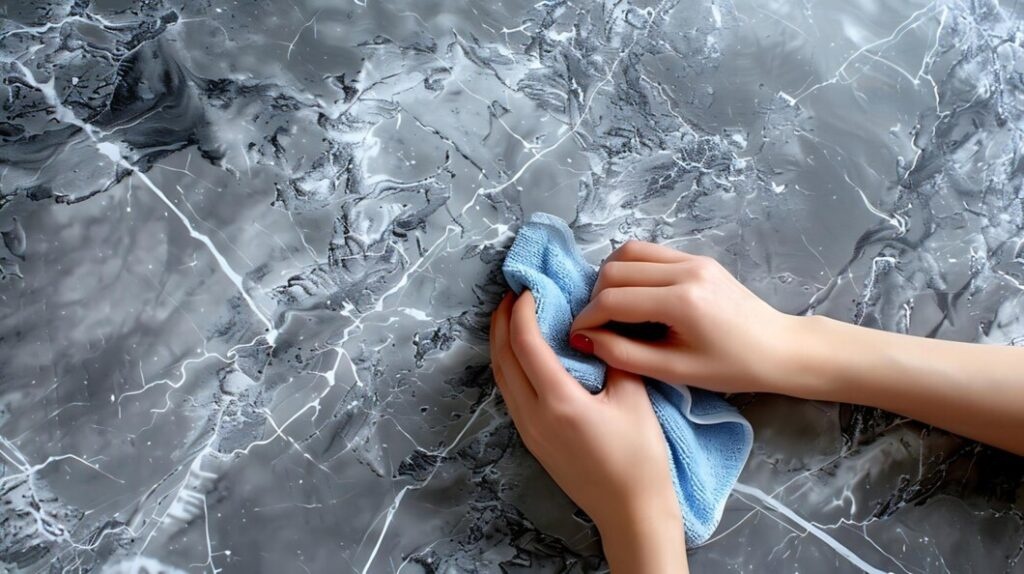
أفضل طريقة لتنظيف الديكورات الحجرية المصنوعة من البوليستر هي استخدام قطعة قماش ناعمة وماء دافئ وكمية قليلة من الصابون المعتدل. تجنب الفرك بقوة ولا تستخدم أبدًا إسفنجات التنظيف الخشنة.
الخطوة 1: إزالة الغبار والأوساخ العالقة
ابدأ بمسح السطح بقطعة قماش جافة من الألياف الدقيقة. فهذا يزيل الغبار والأتربة والجزيئات المتناثرة قبل الشروع في التنظيف الرطب.
لا تتخطى هذه الخطوة. فإذا تم مسح الغبار أو الأوساخ الحبيبية على السطح بقطعة قماش مبللة، فقد يتسبب ذلك في ظهور خدوش دقيقة أو بقع باهتة.
قد تكون مهتمًا بـ
- أحواض زرع من البلاستيك أو الألياف الزجاجية أو حجر البوليستر: أي المواد يجب أن تختار؟
- لماذا حجر البوليستر خيار ذكي للمنازل الراقية في مصر
- أفضل أفكار الديكور للفلل والمنازل الكبيرة: من المداخل الكبرى إلى مناطق المعيشة المريحة
- فن اختيار أفضل أواني الزرع التي ترتقي بمنزلك
- 15 طريقة سهلة لجعل غرفة معيشتك تبدو أكثر فخامة
الخطوة 2: تحضير محلول تنظيف لطيف
امزج الماء الدافئ مع بضع قطرات من صابون الأطباق الخفيف أو منظف لطيف غير كاشط. يجب أن يكون المحلول خفيفًا، وليس شديد التركيز.
يكفي استخدام كمية قليلة من الصابون للتنظيف الروتيني. فقد يترك الإفراط في استخدام الصابون طبقة رقيقة تجذب المزيد من الغبار أو تتسبب في ظهور خطوط.
الخطوة 3: امسح السطح برفق
اغمس قطعة قماش ناعمة أو إسفنجة في محلول التنظيف، ثم اعصرها حتى تصبح رطبة وليس مبللة تمامًا. امسح سطح الحجر المصنوع من البوليستر بحركات سلسة ولطيفة.
بالنسبة للأسطح المزخرفة، قم بالتنظيف ببطء وحذر. تجنب الضغط بشدة على الشقوق أو التفاصيل الزخرفية، خاصةً إذا كان سطح القطعة مطليًا أو معدنيًا أو غير لامع أو مصقول يدويًا.
الخطوة 4: إزالة بقايا الصابون
بعد التنظيف، امسح السطح مرة أخرى بقطعة قماش نظيفة مبللة بالماء العادي. فهذا يساعد على إزالة أي بقايا صابون قد تجف وتشكل طبقة عكرة.
الخطوة 5: جفف السطح تمامًا
استخدم منشفة جافة وناعمة لإزالة الرطوبة من السطح. يعد التجفيف أمرًا مهمًا لأن المياه الراكدة قد تترك خطوطًا أو بقعًا أو بقايا، خاصةً على الأسطح الداكنة أو اللامعة أو ذات النسيج المميز.
ما هي منتجات التنظيف الآمنة لاستخدامها مع الحجر البوليستر؟
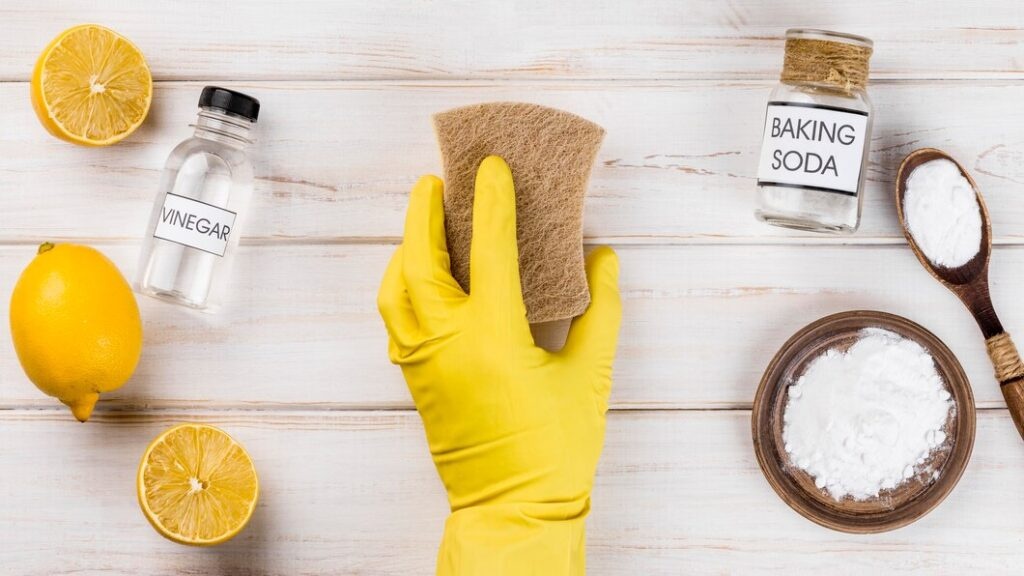
أكثر منتجات التنظيف أمانًا للحجر البوليستر هي تلك التي تتميز بلطفها وعدم احتكاكها، كما أنها مناسبة للأسطح المركبة المطلية.
مستلزمات التنظيف الموصى بها
استخدم هذه المستلزمات للعناية الروتينية بالحجر المصنوع من البوليستر:
- قطعة قماش ناعمة من الألياف الدقيقة
- منشفة نظيفة خالية من النسالة
- إسفنجة ناعمة
- صابون أطباق معتدل
- ماء دافئ
- منظف لطيف غير كاشط
- فرشاة ناعمة للمناطق ذات النسيج الخشن
- وسادات من القماش المبطّن، ووسادات أكواب، ومفارش مائدة للحماية
هذه الأدوات فعالة في التنظيف اليومي دون إجهاد الطلاء بشكل لا داعي له.
منتجات التنظيف التي يجب تجنبها
تجنب استخدام منتجات وأدوات التنظيف التي قد تؤدي إلى خدش الطلاء أو إضعافه أو إزالة لمعانه. ومن بينها:
- المساحيق الكاشطة
- الصوف الفولاذي
- إسفنجات تنظيف خشنة
- فرش ذات شعيرات صلبة
- مزيلات الشحوم القوية
- المذيبات القوية
- المنظفات الكيميائية القوية
- المنتجات التي تحتوي على نسبة عالية من المبيضات، ما لم يوافق عليها المصنع
- المنظفات التي تحتوي على الأمونيا، ما لم تسمح بذلك تعليمات العناية
- المنظفات الحمضية مثل الخل أو المحاليل التي تحتوي على الليمون على الأسطح الحساسة
حتى لو كان المنتج آمنًا على الحجر الطبيعي أو البلاط أو الزجاج أو أسطح الحمام، فقد لا يكون مناسبًا للديكورات المصنوعة من الحجر البوليستر. احرص دائمًا على تجربة منتجات التنظيف الجديدة أولاً على منطقة غير ظاهرة.
كيفية إزالة البقع من الأثاث الحجري المصنوع من البوليستر
الوقاية من البقع أسهل من إزالتها. وأفضل طريقة هي تنظيف السوائل المنسكبة بسرعة واستخدام طرق لطيفة لإزالة البقع.
امسح البقع على الفور
عندما تنسكب سوائل على أثاث من الحجر البوليستر، امسحها بقطعة قماش ناعمة وذات قدرة عالية على الامتصاص. تجنب الفرك بقوة، لأن الفرك قد يؤدي إلى انتشار البقعة أو دفع البقايا إلى المناطق ذات النسيج الخشن.
تشمل المخاطر الشائعة المتعلقة بالانسكابات ما يلي:
- القهوة والشاي
- النبيذ والعصير
- زيوت الطهي
- الصلصات
- المكياج
- حبر
- التربة الموجودة في الأصص
- شمع الشموع
- السوائل الملونة
كلما أسرعت في الاستجابة، قلت احتمالية ظهور البقع.
استخدم صابونًا خفيفًا للبقع الخفيفة
لإزالة البقع الخفيفة، استخدم الماء الدافئ والصابون المعتدل. ضع المحلول بقطعة قماش مبللة، وامسح برفق، ثم اشطف بقطعة قماش نظيفة مبللة، وجفف جيدًا.
كرر العملية إذا لزم الأمر، ولكن تجنب الفرك بقوة.
استخدم منظفًا غير كاشط لإزالة البقع الصعبة
لإزالة البقع الصعبة، استخدم منظفًا غير كاشط ومناسبًا للأسطح المصنوعة من الراتينج أو المواد المركبة. ضع كمية صغيرة منه على قطعة قماش ناعمة واختبره على منطقة غير ظاهرة قبل تنظيف السطح المرئي.
تجنب استخدام المنظفات القوية كخطوة أولى. فقد يزيل المنظف القوي البقعة، لكنه قد يتلف الطلاء في الوقت نفسه.
اتصل بالشركة المصنعة في حالة وجود بقع عميقة أو تلف في الطلاء
إذا لم تزول البقعة بالتنظيف اللطيف، فيُرجى الاتصال بالشركة المصنعة أو بائع التجزئة أو المُركِّب. وتُعد المشورة المهنية أمرًا بالغ الأهمية بشكل خاص بالنسبة للقطع الفاخرة، والتشطيبات المصممة حسب الطلب، والأسطح المطلية، والأثاث المخصص للاستخدام الخارجي، أو القطع المزودة بطبقات واقية.
كيفية حماية الديكورات الحجرية المصنوعة من البوليستر من الخدوش والتآكل
قد يكون الديكور المصنوع من البوليستر الذي يشبه الحجر متينًا، لكنه ليس مقاومًا للخدش. وتعد العناية الوقائية من أسهل الطرق للحفاظ على مظهره النهائي.
استخدموا الوقايات ومفارش المائدة
استخدم قواعد الأكواب تحت الكؤوس والأكواب والشموع والمزهريات والأشياء الزخرفية. أما بالنسبة لأسطح الطاولات أو الطاولات الجانبية، فيمكن أن تساعد المفارش والصواني في تقليل الاحتكاك ونقل الحرارة وظهور بقع الرطوبة.
ضع وسادات من اللباد تحت القطع الزخرفية
إذا قمت بوضع مصابيح أو منحوتات أو أوعية أو إطارات صور أو قطع خزفية على أثاث مصنوع من الحجر البوليستر، فضع وسادات من اللباد تحتها. فهذا يساعد على منع حدوث خدوش عندما تتحرك الأشياء قليلاً أثناء التنظيف أو الاستخدام اليومي.
ارفع بدلاً من السحب
لا تقم أبدًا بسحب الأشياء الثقيلة على الأسطح الحجرية المصنوعة من البوليستر. ارفع الأشياء بالكامل قبل تحريكها. فقد يؤدي السحب إلى ظهور علامات احتكاك أو خدوش أو مناطق متآكلة على الطلاء.
احرص على إبعاد الأشياء الحادة
تجنب التلامس المباشر مع المفاتيح والأدوات والسكاكين والديكورات المعدنية والأواني الفخارية الخشنة وغيرها من الأشياء الحادة أو الخشنة. فقد تترك هذه الأشياء علامات دائمة إذا احتكت بالسطح.
هل يمكن استخدام الديكورات الحجرية المصنوعة من البوليستر في الأماكن الخارجية؟
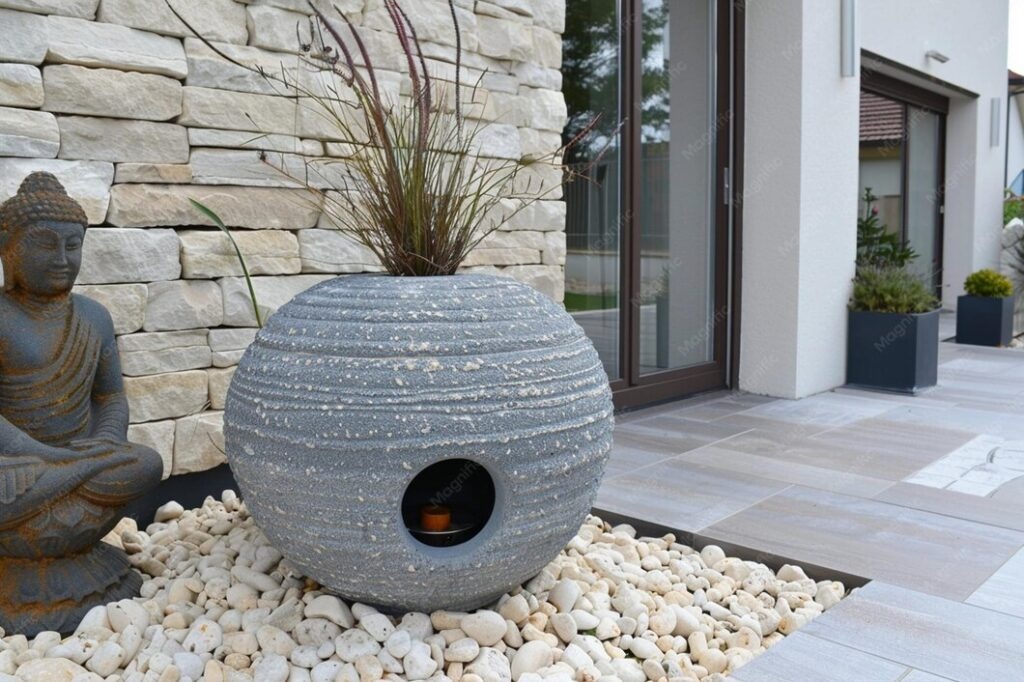
يمكن استخدام بعض قطع الديكور والأثاث المصنوعة من الحجر البوليستر في الأماكن الخارجية، ولكن ليست كل القطع مصممة لتحمل أشعة الشمس أو المطر أو الرطوبة أو تقلبات درجات الحرارة أو الصقيع. قبل وضع قطعة من الحجر البوليستر في الخارج، تأكد من أنها مصنفة للاستخدام الخارجي.
تحقق أولاً من تصنيف الاستخدام في الهواء الطلق
إذا لم تذكر ملصق المنتج أو الشركة المصنعة بوضوح أن المنتج مناسب للاستخدام في الهواء الطلق، فعليك التعامل معه على أنه قطعة مخصصة للاستخدام الداخلي أو في الأماكن المغطاة. فقد يؤدي التعرض للعوامل الخارجية إلى تلاشي الألوان أو تشقق السطح أو تغير الطلاء أو التلف الناتج عن الرطوبة.
الحماية من التعرض المطول لأشعة الشمس
قد يؤثر ضوء الشمس المباشر بمرور الوقت على اللون والطلاء وملمس السطح، لا سيما في القطع ذات الألوان الداكنة أو المطلية. وحيثما أمكن، ضع ديكورات الحجر المصنوعة من البوليستر والمخصصة للاستخدام الخارجي في مناطق مظللة أو مغطاة أو محمية جزئيًا.
تقليل التعرض للرطوبة
يجب تجفيف القطع الخارجية بعد هطول أمطار غزيرة أو بعد تنظيفها. تجنب تراكم المياه في الأخاديد أو الوصلات أو أحواض الزهور أو التجاويف الزخرفية. إذا كان القطعة تُستخدم كحوض زهور، فتأكد من أن التصريف جيد وأن المياه لا تبقى متجمعة على السطح الخارجي لفترات طويلة.
تخزين الملابس الموسمية بشكل صحيح
في حالة سوء الأحوال الجوية أو تغير الفصول أو العواصف أو فترات عدم الاستخدام الطويلة، قم بتخزين الديكورات الحجرية المصنوعة من البوليستر في مكان جاف ومحمي. قم بلف القطع الحساسة بقطعة قماش ناعمة وتجنب وضع أشياء ثقيلة فوقها.
الأخطاء الشائعة التي قد تتسبب في تلف الديكورات الحجرية المصنوعة من البوليستر
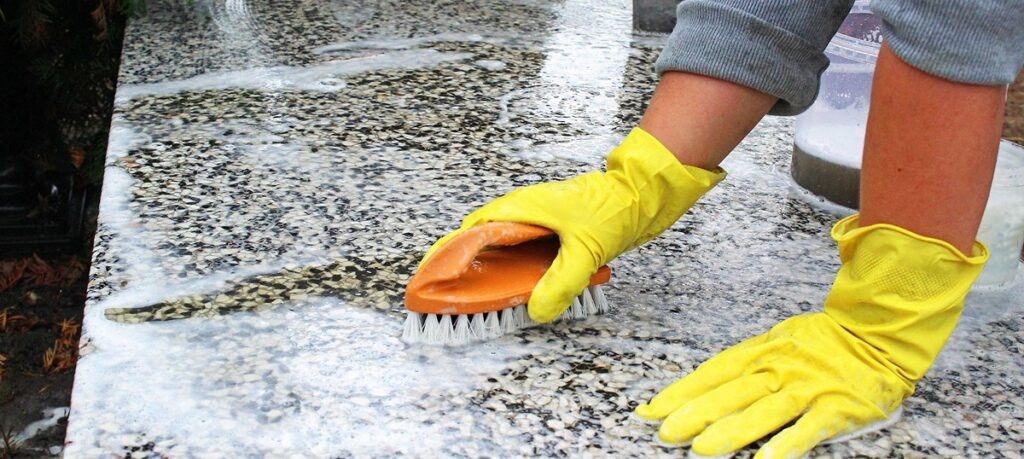
تنجم العديد من المشكلات السطحية عن التنظيف غير السليم وليس عن الاستخدام العادي. تجنب هذه الأخطاء الشائعة للحفاظ على ديكور منزلك وأثاثك في حالة أفضل.
استخدام المنظفات الكاشطة
يمكن أن تؤدي المساحيق الكاشطة والكريمات الحبيبية والوسادات الخشنة إلى خدش السطح وإضعاف لمعانه. وبمجرد أن يفقد السطح لمعانه، قد يصعب استعادته دون مساعدة متخصصة.
ترك البقع دون معالجة لفترة طويلة
قد تترك السوائل الملونة والزيوت ومستحضرات التجميل وبقايا النباتات آثارًا إذا بقيت على السطح. قم بتنظيف السوائل المنسكبة على الفور لتقليل خطر ظهور البقع.
وضع الأواني الساخنة مباشرة على السطح
تجنب وضع المقالي الساخنة أو مكواة تجعيد الشعر أو الأدوات الساخنة أو الشموع مباشرةً على الأثاث المصنوع من حجر البوليستر. فقد تؤثر الحرارة على الطلاء وتسبب ظهور علامات أو تغير في اللون.
استخدم حوامل الأواني أو الحصائر المقاومة للحرارة أو الصواني الواقية كلما كان الأمر يتعلق بالحرارة.
الإفراط في فرك التفاصيل المزخرفة
قد يتجمع الغبار في شقوق الديكورات الحجرية المصنوعة من البوليستر المزخرف، لكن الفرك الشديد قد يؤدي إلى تآكل التفاصيل البارزة أو الطلاء أو التشطيبات المطلية. استخدم فرشاة ناعمة واضغط برفق بدلاً من ذلك.
استخدام ملمع أو مادة مانعة للتسرب غير مناسبة
لا تستخدم الشمع أو مواد الإغلاق أو ملمعات الأسطح أو الزيوت أو منتجات العناية بالحجر ما لم توصي الشركة المصنعة بذلك. فقد لا تكون المنتجات المصممة للحجر الطبيعي أو الخشب أو المعدن مناسبة للحجر البوليستر.
نصائح صيانة احترافية للحفاظ على الجمال لفترة طويلة
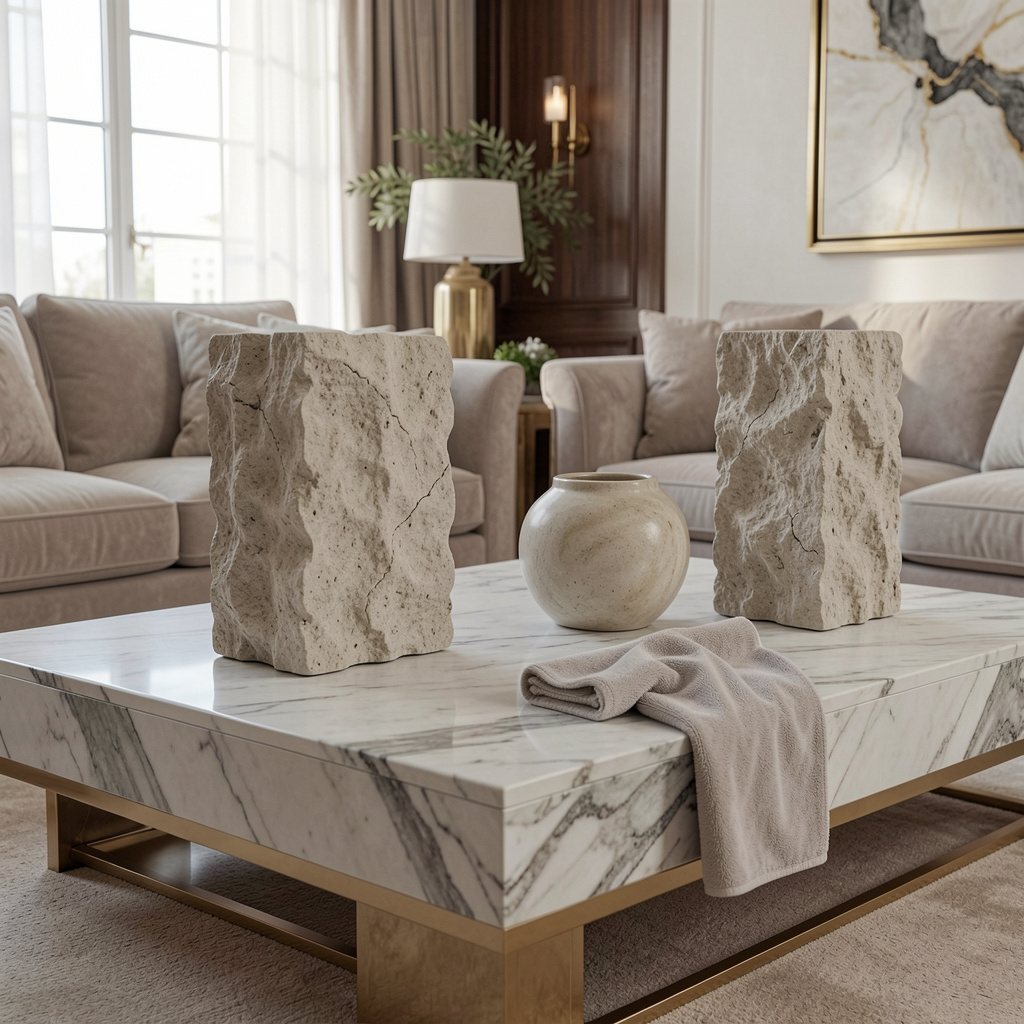
لا يجب أن يكون نظام العناية الاحترافي معقدًا. فالانتظام والتنظيف اللطيف وحماية السطح هي العوامل الأهم.
اتبع تعليمات العناية الصادرة عن الشركة المصنعة
يرجى دائمًا مراجعة ملصق العناية أو دليل المنتج أو موقع الشركة المصنعة على الإنترنت. قد تختلف منتجات البوليستر الحجرية من حيث التركيب والتشطيب والطلاء ومقاومة العوامل الخارجية.
قد تتطلب كل من الأسطح اللامعة للطاولات، والمنحوتات غير اللامعة، وأحواض الزراعة الخارجية، والقطع الزخرفية المطلية عناية مختلفة قليلاً.
افحص القطع بانتظام
افحص ديكور الحجر المصنوع من البوليستر كل بضعة أسابيع. وتأكد من:
- رقائق
- الشقوق
- المناطق غير المأهولة
- تلاشي
- تفاصيل زخرفية غير متناسقة
- العلامات المائية
- خدوش
- البقع
- البقايا السطحية
يمكن أن يمنع الاكتشاف المبكر المشاكل البسيطة من أن تتفاقم.
احرص على إبعاد الأثاث عن الظروف القاسية
بالنسبة للأثاث الداخلي، تجنب وضع القطع بالقرب من المواقد أو أجهزة التدفئة أو تحت أشعة الشمس المباشرة القوية أو في الأماكن ذات الرطوبة العالية، ما لم يكن المنتج مصممًا خصيصًا لهذه الظروف.
بالنسبة للأثاث الخارجي، استخدم الأغطية والمظلات والتخزين الموسمي عند الحاجة.
نظفها قبل التخزين
قبل تخزين الديكورات الحجرية المصنوعة من البوليستر، قم بتنظيفها وتجفيفها تمامًا. فقد يؤدي تخزين قطعة متسخة أو رطبة إلى تراكم البقايا أو ظهور البقع أو الروائح الكريهة أو مشاكل أخرى مرتبطة بالرطوبة.
قائمة مرجعية سريعة للعناية بالديكورات والأثاث المصنوع من حجر البوليستر
استخدم قائمة المراجعة هذه للحفاظ على نظافة قطع الحجر المصنوعة من البوليستر وحسن صيانتها:
- قم بمسح الغبار أسبوعياً بقطعة قماش من الألياف الدقيقة
- ينظف بالصابون المعتدل والماء الدافئ
- استخدم إسفنجة ناعمة أو قطعة قماش
- تجنب استخدام المنظفات الكاشطة وأدوات الفرك
- امسح البقع على الفور
- جفف السطح بعد التنظيف
- استخدم قواعد الأكواب والصواني والوسادات المصنوعة من اللباد
- ارفع الأشياء بدلاً من سحبها
- تجنب وضع الأواني الساخنة على السطح
- احمِ الأثاث الخارجي من الظروف الجوية القاسية
- قم بتخزين الديكورات الموسمية في مكان جاف ومحمي
- اتبع تعليمات العناية الصادرة عن الشركة المصنعة
الأسئلة الشائعة حول تنظيف الديكورات الحجرية المصنوعة من البوليستر
هل يمكنني تنظيف الديكورات الحجرية المصنوعة من البوليستر بالخل؟
من الأفضل تجنب استخدام الخل ما لم يذكر المصنع صراحةً أنه آمن للاستخدام مع قطعتك. فالخل مادة حمضية وقد يتسبب في فقدان اللمعان أو إتلاف بعض أنواع التشطيبات أو الطلاءات أو الأسطح الزخرفية.
ما هو المنظف الأكثر أمانًا للأثاث الحجري المصنوع من البوليستر؟
أفضل طريقة للتنظيف هي عادةً استخدام الماء الدافئ مع كمية قليلة من صابون الأطباق الخفيف. استخدم قطعة قماش ناعمة أو إسفنجة، وامسح برفق، ثم اشطف البقايا، وجفف السطح تمامًا.
كيف يمكنني إزالة الغبار عن الديكور الحجري المصنوع من البوليستر المزخرف؟
استخدم قطعة قماش ناعمة من الألياف الدقيقة لتنظيف الأسطح المكشوفة، وفرشاة ناعمة لتنظيف الأخاديد أو المناطق الدقيقة. قم بالفرشاة برفق لتجنب تآكل التفاصيل المزخرفة أو المطلية.
هل يمكن ترك الأثاث المصنوع من حجر البوليستر في الخارج؟
لا تضع الأثاث المصنوع من حجر البوليستر في الخارج إلا إذا كان مصممًا للاستخدام الخارجي. فهناك قطع مصممة خصيصًا للفناءات والحدائق، في حين يجب أن تظل قطع أخرى داخل المنزل أو في الأماكن المغطاة.
كيف يمكنني تجنب حدوث خدوش على أسطح الطاولات المصنوعة من حجر البوليستر؟
استخدم الوقايات ومفارش المائدة والصواني والوسادات المصنوعة من اللباد. تجنب سحب الأشياء على سطح الطاولة، واحرص على إبعاد الأدوات الحادة أو الخشنة عن سطحها.
هل يمكنني تلميع الديكورات الحجرية المصنوعة من البوليستر؟
لا تقم بتلميع الديكورات الحجرية المصنوعة من البوليستر إلا إذا أوصى المصنع بذلك. فقد يتسبب استخدام مادة تلميع غير مناسبة في ترك بقايا أو تغيير اللمعان أو إتلاف الطلاء.
ماذا أفعل إذا بدت قطعة الحجر المصنوعة من البوليستر باهتة؟
أولاً، نظّفها برفق باستخدام صابون خفيف وماء دافئ لإزالة البقايا. إذا استمر البهتان، فراجع تعليمات العناية الصادرة عن الشركة المصنعة قبل استخدام أي ملمع أو شمع أو منتج ترميم.
الخاتمة
يعتمد تنظيف الديكورات الحجرية المصنوعة من البوليستر دون الإضرار بطبقتها الخارجية على قاعدة واحدة بسيطة: توخي الحذر. استخدم قطع قماش ناعمة وصابونًا خفيفًا وماءً دافئًا وطرق تنظيف غير كاشطة. تجنب المواد الكيميائية القوية وأدوات الفرك الخشنة والحرارة المفرطة والتعرض المطول للرطوبة.
من خلال التنظيف المنتظم من الغبار، والتخلص الفوري من السوائل المنسكبة، وتوفير الحماية الأساسية للأسطح، يمكن للديكورات والأثاث المصنوع من البوليستر الذي يشبه الحجر أن يحافظ على مظهره الأنيق الذي يشبه الحجر لسنوات عديدة. وسواء كنت تمتلك تمثالاً زخرفياً، أو إناءً للنباتات، أو طاولة قهوة، أو طاولة جانبية، أو قطعة ديكور خارجية، فإن اتباع روتين العناية المناسب سيساعد في الحفاظ على جمالها، ولمعانها، وقيمتها على المدى الطويل.
الموارد: