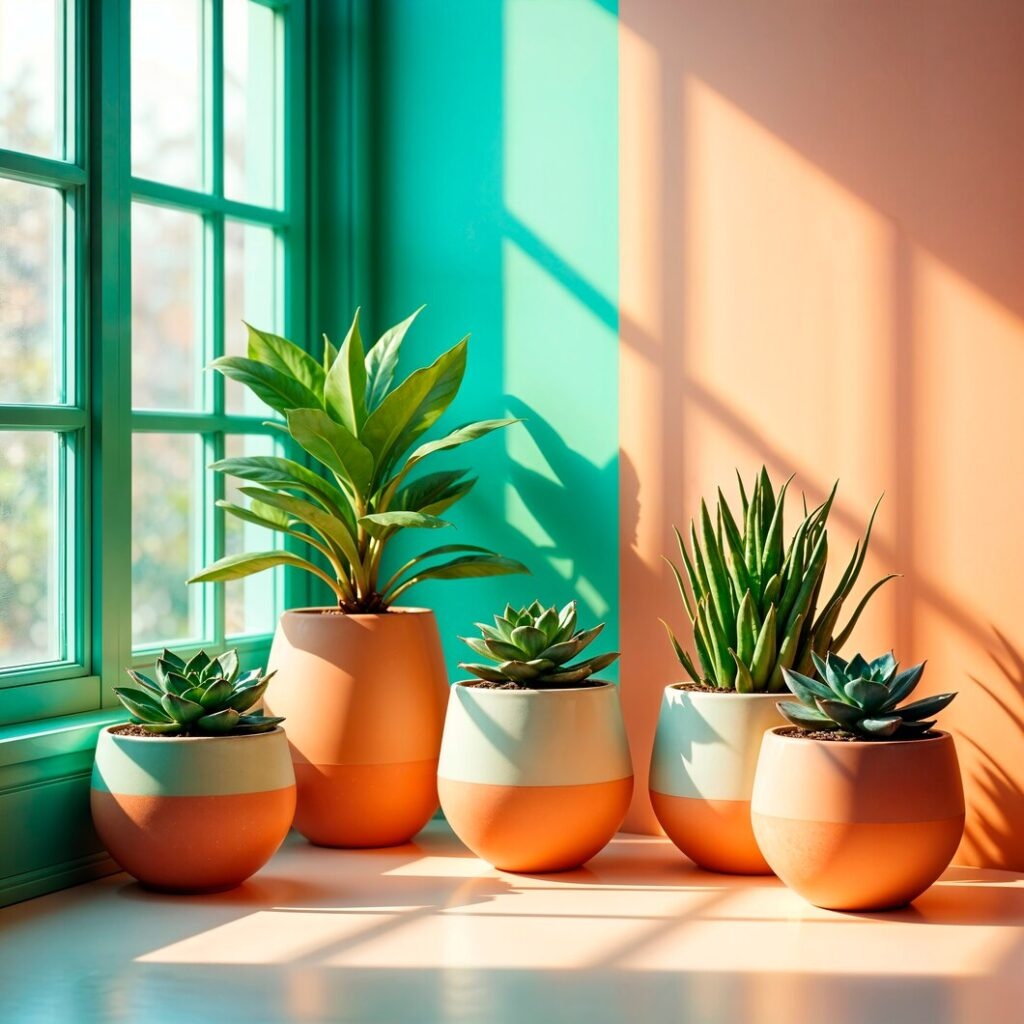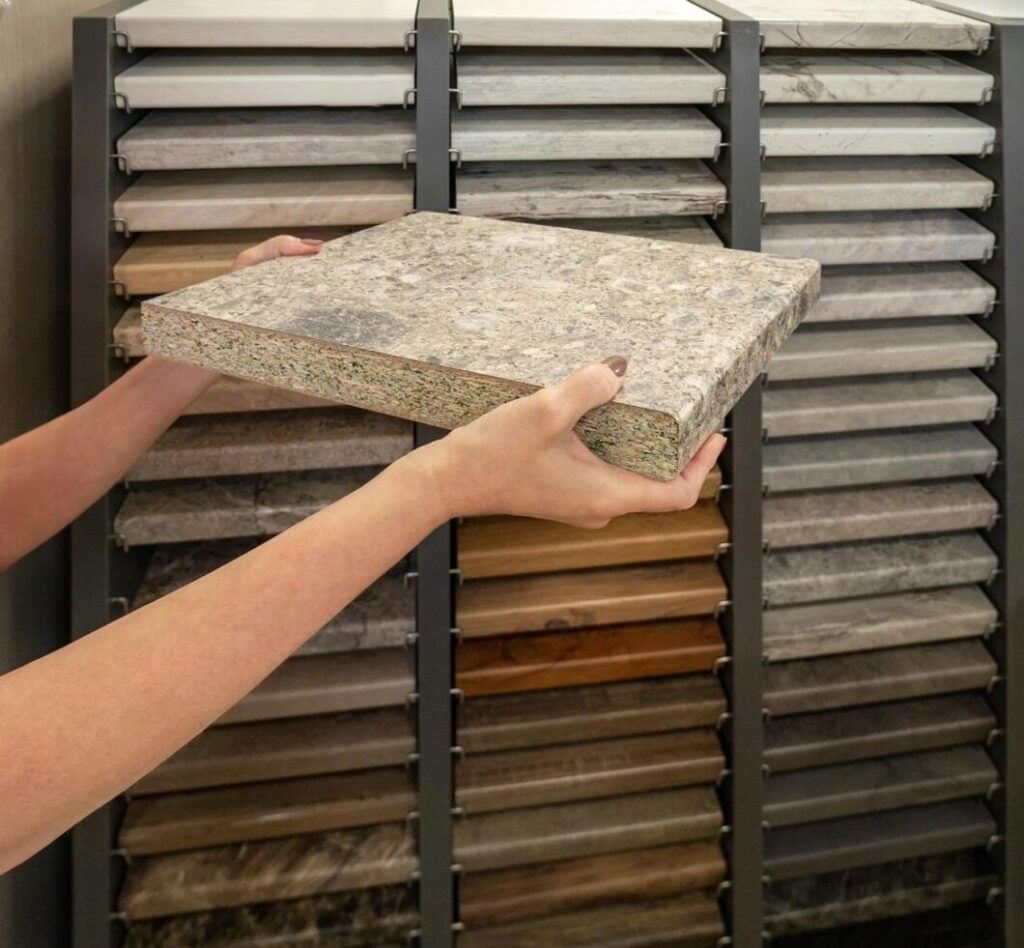
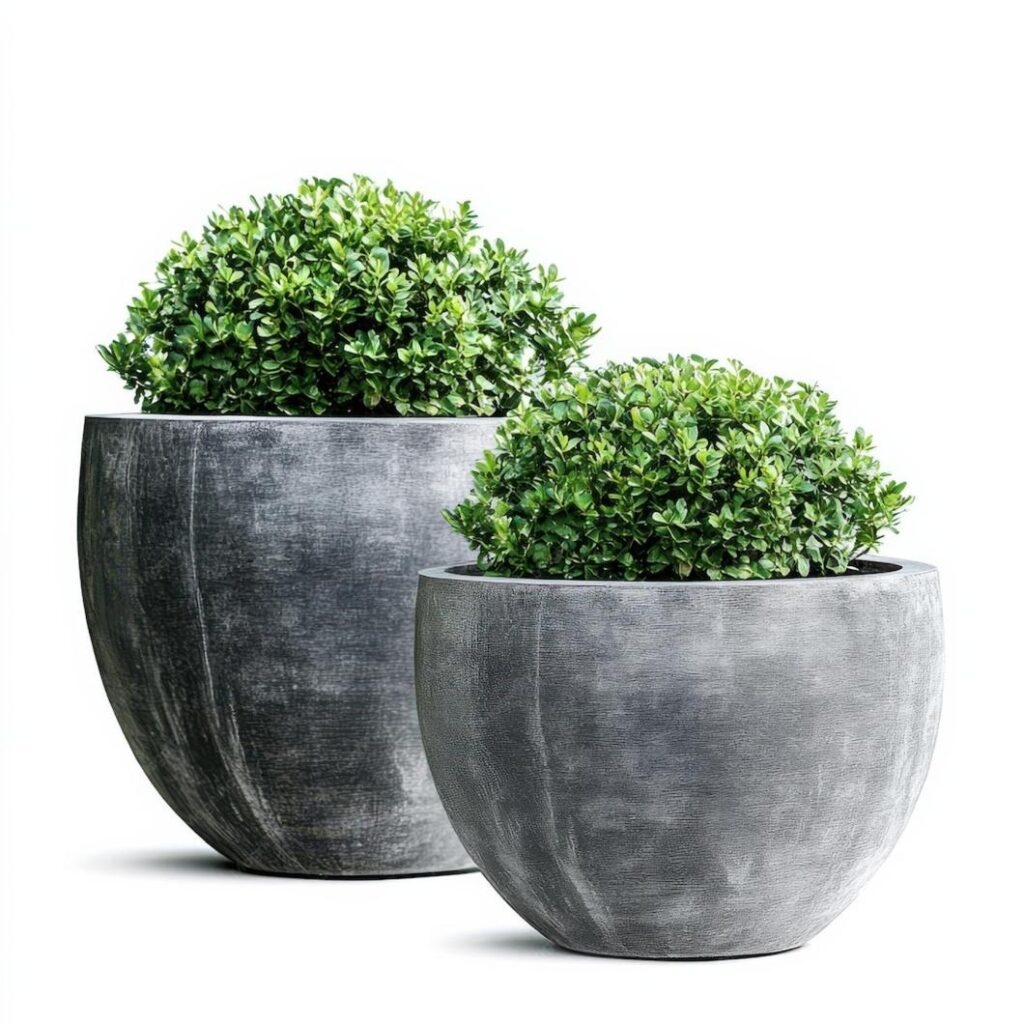
لا يقتصر اختيار الوعاء المناسب على مجرد مطابقة الوعاء مع النبات. بالنسبة للمشترين، تؤثر المادة المصنوع منها الوعاء على متانته ووزنه ومظهره واحتياجاته من الصيانة ومقاومته للعوامل الجوية وقيمته على المدى الطويل. فالوعاء الذي يبدو جميلاً في اليوم الأول قد لا يحافظ على أدائه الجيد بعد عدة مواسم من التعرض لأشعة الشمس والمطر والري والاستخدام اليومي.
الخيارات الثلاثة الشائعة التي غالبًا ما يقارنها المشترون هي أواني زراعة بلاستيكية، وأواني زراعة من الألياف الزجاجية، وأواني زراعة من البوليستر على شكل حجري. لكل مادة قوة تحمل مختلفة. عادةً ما يكون البلاستيك خفيف الوزن ومناسبًا للميزانية. أما الألياف الزجاجية فتوفر توازنًا ممتازًا بين المتانة والأناقة والوزن المريح. أما الحجر البوليستر فيمنح مظهرًا أثقل يشبه الحجر الطبيعي دون أن يتحمل وزنه الكامل.
يعتمد الاختيار الأمثل على المكان الذي ستوضع فيه الحوض، والمدة التي تتوقع أن تدوم فيها، ومدى تكرار نقلها، والأسلوب الذي ترغب في تحقيقه.
إجابة سريعة: ما هي أفضل مادة لصنع الأصيص؟
عادةً ما يكون الخيار الأفضل من جميع النواحي بالنسبة لمعظم المشترين هو الألياف الزجاجية لأنها توفر مزيجًا قويًا من المتانة والأناقة العصرية ومقاومة العوامل الجوية، فضلاً عن وزنها الخفيف مقارنةً بالمواد ذات الطابع الحجري. عادةً ما يتم اختيار أحواض الزراعة المصنوعة من الألياف الزجاجية للفناءات الخارجية والمداخل التجارية وأسطح المباني والمكاتب والفنادق والمساحات السكنية الفاخرة لأنها تضفي مظهرًا أنيقًا دون أن تكون ثقيلة مثل الخرسانة أو الحجر الطبيعي. عادةً ما تصف إرشادات الصناعة الخاصة بأحواض الزراعة الألياف الزجاجية بأنها خفيفة الوزن ومتينة ومناسبة للاستخدام الداخلي والخارجي.
أواني زراعة بلاستيكية تُعد هذه الخيارات الأفضل للمشترين الذين يبحثون عن خيار اقتصادي وخفيف الوزن وعملي. وهي مثالية للزراعة الموسمية، والعروض المؤقتة، والشرفات، والمساحات التي تُعد فيها سهولة النقل أكثر أهمية من المظهر الفاخر.
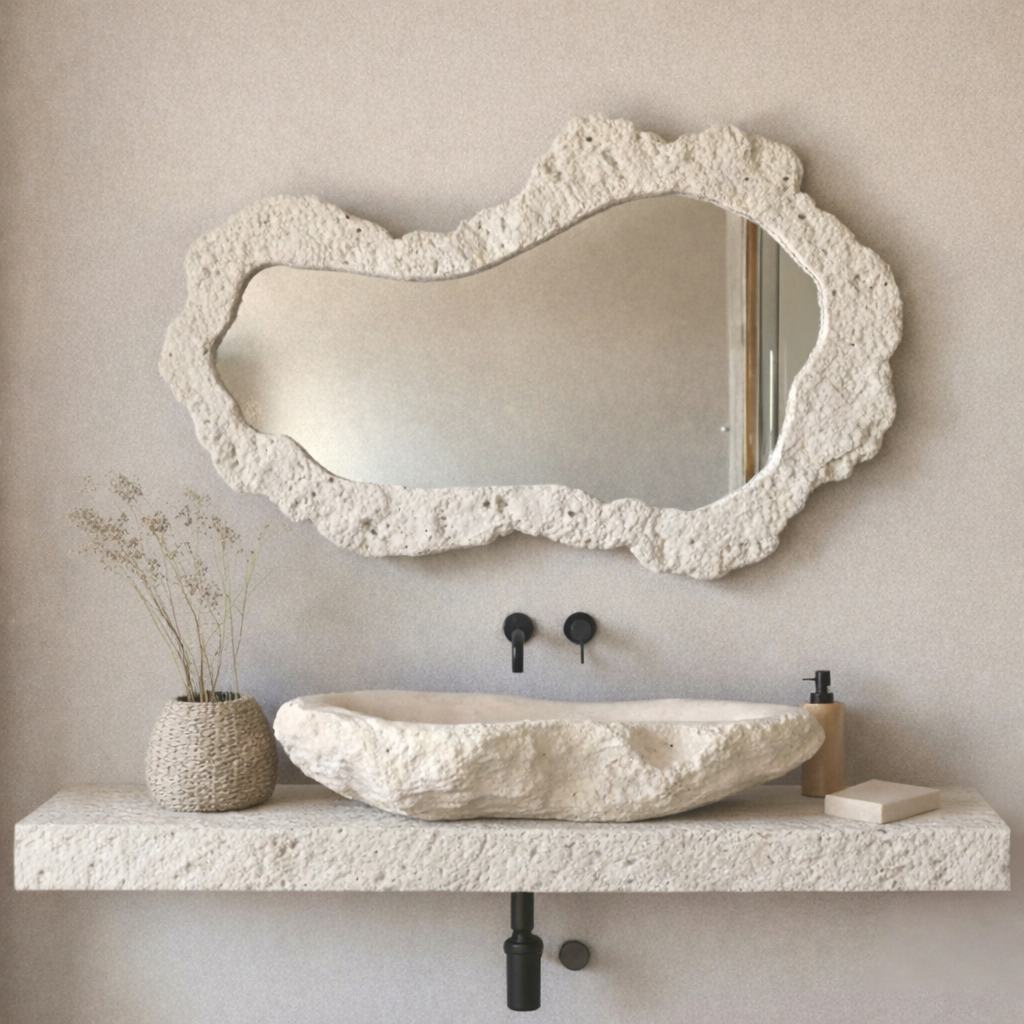
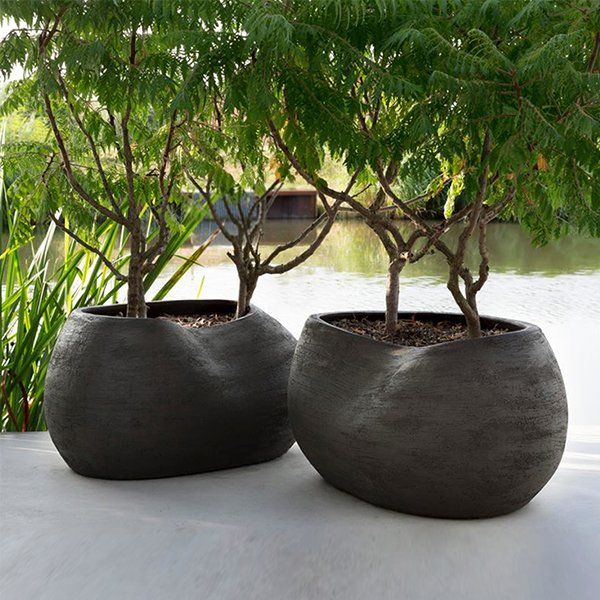
أواني زراعة من البوليستر على شكل أحجار تُعد هذه الأواني الخيار الأمثل للمشترين الذين يبحثون عن مظهر قوي مستوحى من الحجر. وغالبًا ما تكون خيارًا مناسبًا للحدائق الرسمية ومداخل المنازل والفناءات والساحات والمساحات التي تضفي فيها الأواني الزخرفية ذات المظهر الثقيل لمسة جمالية على التصميم العام.
ببساطة: اختر البلاستيك لكونه ميسور التكلفة, الألياف الزجاجية للحصول على أفضل أداء شامل, و حجر من البوليستر لإضفاء مظهر شبيه بالحجر ذي تأثير قوي.
ما هي أواني الزراعة البلاستيكية؟
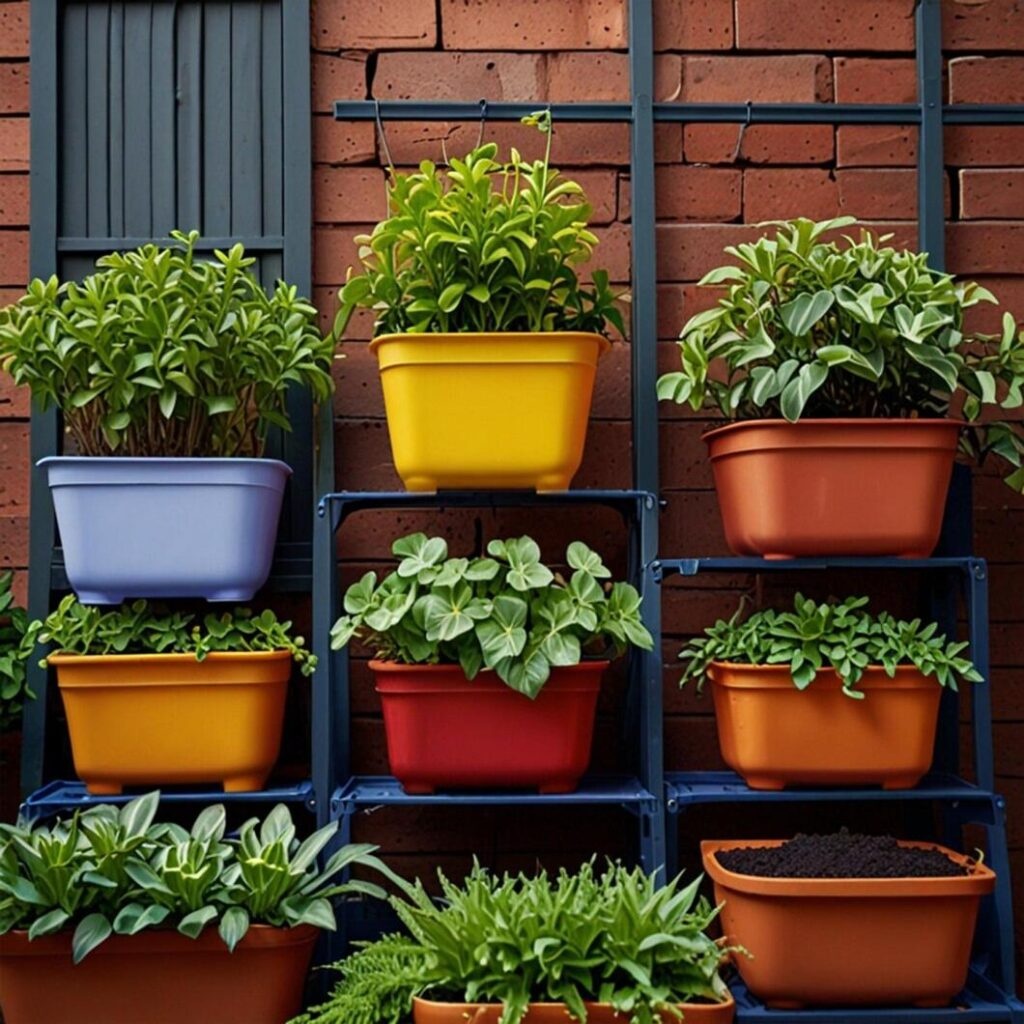
الأواني البلاستيكية هي أوعية مصنوعة من مواد اصطناعية ومصممة لحمل التربة والنباتات والماء. وهي من أكثر خيارات الأواني شيوعًا نظرًا لكونها ميسورة التكلفة ومتوفرة على نطاق واسع وسهلة النقل.
الميزات الرئيسية لأواني الزراعة البلاستيكية
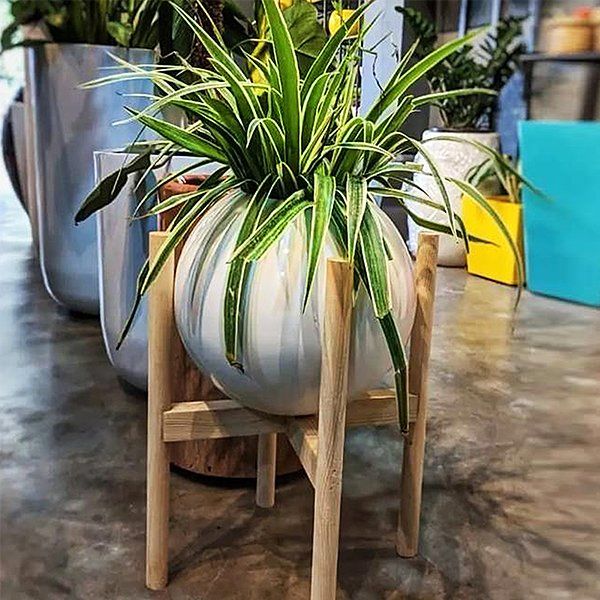
تتميز أواني الزراعة البلاستيكية عادةً بخفة وزنها وتكلفتها المنخفضة، كما تتوفر بأشكال وألوان وأحجام متنوعة. وهي سهلة التنظيف ويمكن تغيير مكانها بسهولة، مما يجعلها مفيدة للمشترين الذين يغيرون ترتيب ديكورهم بشكل متكرر أو ينقلون النباتات بين المساحات الداخلية والخارجية.
كما أنها عملية للمستأجرين، وشرفات الشقق، والفناءات الصغيرة، والتركيبات المؤقتة، والزراعة الموسمية. وقد يجد المشتري الذي يرغب في تزيين المكان بسرعة دون الحاجة إلى استثمار مبدئي كبير أن الأواني البلاستيكية جذابة.
أفضل الاستخدامات لأواني الزراعة البلاستيكية
تُعد الأواني البلاستيكية خيارًا مناسبًا للنباتات الصغيرة والأعشاب والزهور الموسمية وحدائق الشرفات وترتيبات النباتات الداخلية الخفيفة الوزن. كما أنها مفيدة كأواني تربية تُوضع داخل أواني خارجية ذات طابع زخرفي.
بالنسبة للمشترين الذين يديرون العديد من النباتات بميزانية محدودة، قد يكون استخدام البلاستيك خيارًا مناسبًا. فهو يتيح لك شراء العديد من الأواني دون إنفاق مبالغ كبيرة على المواد عالية الجودة.
العيوب المحتملة للأواني البلاستيكية
أكبر عيب للبلاستيك هو التباين الكبير في جودته. فالبلاستيك الأكثر سمكًا والمقاوم للأشعة فوق البنفسجية قد يكون أداءه أفضل في الأماكن المفتوحة، في حين أن البلاستيك الأقل جودة قد يتلاشى لونه أو يتشقق أو يصبح هشًا بعد التعرض المطول لأشعة الشمس. وتشير بعض المصادر المتخصصة في البستنة والأواني الزراعية إلى أن البلاستيك الأقل جودة قد يتلاشى لونه أو يصبح هشًا في ظل الظروف القاسية للأشعة فوق البنفسجية.
كما أن البلاستيك قد يبدو أقل فخامة من الألياف الزجاجية أو الحجر البوليستر. ففي المساحات الخارجية الراقية، ومداخل الفنادق، والفناءات الفاخرة، أو الأماكن التجارية، قد تبدو أحواض الزراعة البلاستيكية العادية خفيفة الوزن للغاية أو مؤقتة.
هناك مسألة أخرى وهي الاستقرار. ونظرًا لخفة وزن البلاستيك، فإن الأواني البلاستيكية الكبيرة قد تنقلب بسهولة أكبر في المناطق التي تهب فيها الرياح، ما لم يتم تثبيتها بوزن إضافي أو ملؤها بالشكل الصحيح أو وضعها في أماكن محمية.
ما هي أواني الزراعة المصنوعة من الألياف الزجاجية؟
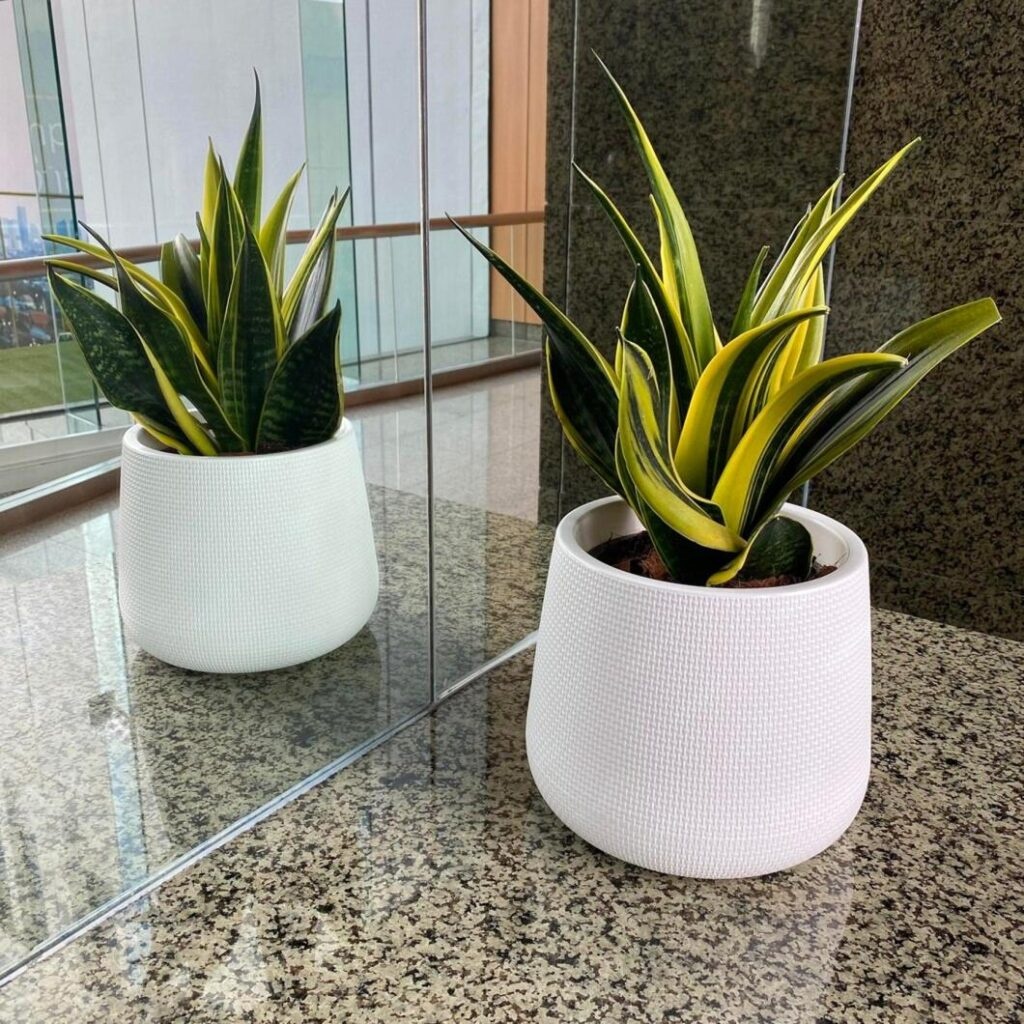
تصنع أحواض الزراعة المصنوعة من الألياف الزجاجية من ألياف زجاجية ممزوجة بالراتنج لتكوين وعاء قوي وخفيف الوزن نسبيًا. وهي تحظى بشعبية كبيرة في التصميمات السكنية والتجارية على حد سواء، لأنها توفر مظهرًا أنيقًا وراقياً مع متانة عملية.
الميزات الرئيسية لأواني الزراعة المصنوعة من الألياف الزجاجية
تشتهر الألياف الزجاجية بقوتها دون أن تكون ثقيلة بشكل مفرط. وهذا يجعلها خيارًا مناسبًا للأحواض الكبيرة التي يجب أن تبدو متينة، مع الحفاظ في الوقت نفسه على سهولة نقلها مقارنة بالخرسانة أو الحجر الطبيعي أو بعض المواد المركبة من الحجر.
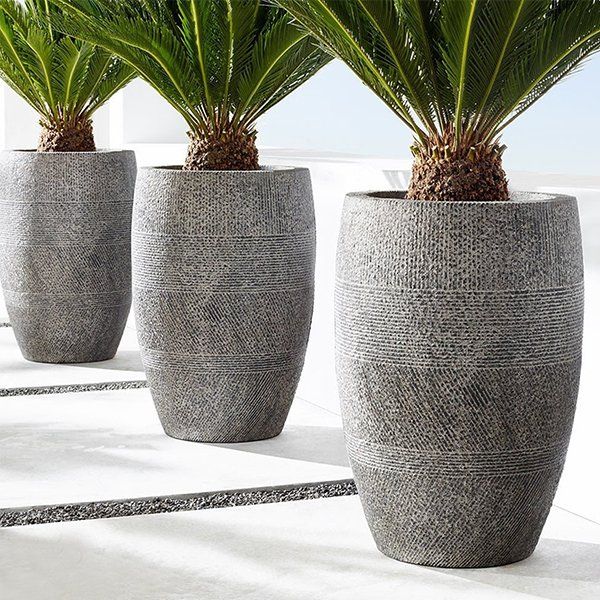
غالبًا ما تتميز أواني الزراعة المصنوعة من الألياف الزجاجية بلمسات نهائية ناعمة وخطوط حادة وأشكال عصرية. ويمكن تصنيعها بأشكال مربعة أو مستطيلة أو دائرية أو مدببة أو طويلة أو قصيرة، وبأسطح غير لامعة أو لامعة أو ذات ملمس مميز. وتجعلها هذه المرونة التصميمية خيارًا مثاليًا للمنازل العصرية والمطاعم والمكاتب والفنادق ومساحات البيع بالتجزئة ومناطق الجلوس الخارجية.
يصف موردو أواني الزراعة عادةً الألياف الزجاجية بأنها مقاومة للعوامل الجوية ومناسبة للاستخدام في الهواء الطلق، على الرغم من أنه ينبغي على المشترين التحقق من تصنيف الشركة المصنعة وجودة التشطيب وتعليمات العناية قبل الشراء.
أفضل الاستخدامات لأواني الزراعة المصنوعة من الألياف الزجاجية
تُعد أواني الزراعة المصنوعة من الألياف الزجاجية خيارًا مثاليًا للفناءات وأسطح المباني ومناطق حمامات السباحة وديكورات المكاتب الداخلية وردهات الفنادق ومداخل المطاعم وواجهات المتاجر وتصميمات الحدائق العصرية. وهي مفيدة بشكل خاص عندما يرغب العملاء في الحصول على أواني زراعة زخرفية كبيرة الحجم دون أن يتحملوا الوزن الثقيل للحجر أو الخرسانة.
كما أنها مناسبة تمامًا للمساحات البارزة التي يُعتمد فيها على المظهر. فحوض الزهور المصنوع من الألياف الزجاجية يضفي مظهرًا أنيقًا وعماريًا، مع سهولة التعامل معه أثناء التسليم والتركيب وإعادة وضعه.
العيوب المحتملة لأواني الزراعة المصنوعة من الألياف الزجاجية
عادةً ما تكون تكلفة الألياف الزجاجية أعلى من تكلفة البلاستيك العادي. وقد يكون السعر الأولي أعلى، لا سيما بالنسبة للأحواض الكبيرة أو ذات الجودة التجارية أو ذات التشطيبات المخصصة.
كما قد يتعرض الطلاء للتشقق أو الخدش في حالة سحب الوعاء أو سقوطه أو التعامل معه بخشونة. ورغم أن الألياف الزجاجية مادة متينة، إلا أنها ليست غير قابلة للتلف. لذا، ينبغي على المشترين تجنب نقل الأواني الكبيرة المملوءة دون استخدام المعدات المناسبة، لأن التربة والماء والنباتات الناضجة قد تزيد من وزنها بشكل كبير.
الجودة مهمة أيضًا. فحوض الزهور المصنوع من الألياف الزجاجية بعناية يمكن أن يكون استثمارًا طويل الأمد، في حين أن الحوض المصنوع بشكل رديء قد لا يقدم أداءً جيدًا في الهواء الطلق.
ما هي أحواض الزراعة المصنوعة من البوليستر على شكل حجارة؟
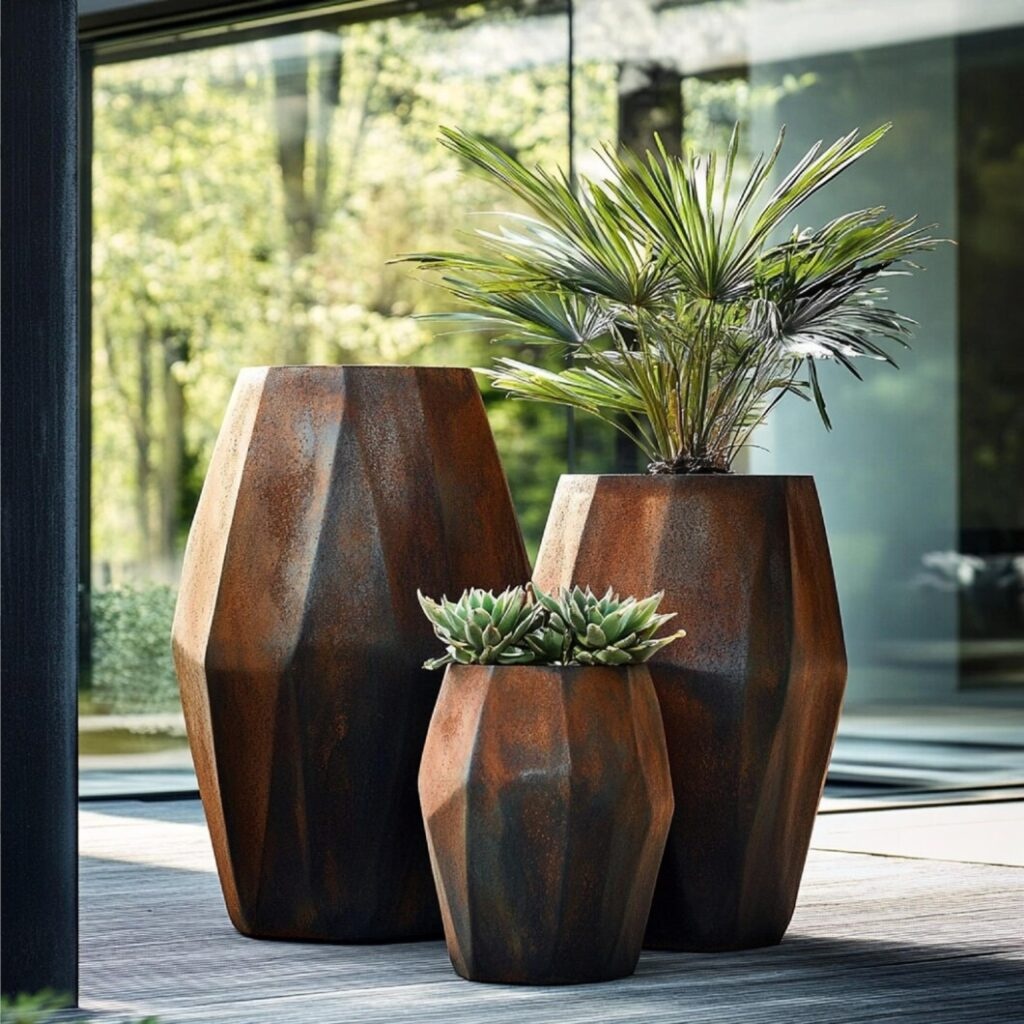
عادةً ما تُصنع أحواض الزهور المصنوعة من البوليستر على شكل الحجر الطبيعي، مع استخدام مواد مركبة لتقليل الوزن والتكلفة المرتبطين بالحجر الحقيقي. وقد تختلف التركيبة الدقيقة باختلاف الشركة المصنعة، لذا ينبغي على المشترين مراجعة مواصفات المنتج بعناية.
الميزات الرئيسية لأواني الزراعة الحجرية المصنوعة من البوليستر
يكمن الجاذبية الرئيسية لحجر البوليستر في مظهره. فقد صُممت هذه الأصص لتبدو متينة وزخرفية وشبيهة بالحجر. وغالبًا ما تتناسب مع الحدائق التقليدية والمداخل الرسمية والساحات الداخلية والفناءات الكلاسيكية والمساحات الخارجية الفاخرة.
بالمقارنة مع البلاستيك العادي، يبدو الحجر المصنوع من البوليستر عادةً أكثر صلابة وثباتًا من الناحية البصرية. وبالمقارنة مع الحجر الطبيعي، غالبًا ما يكون أسهل في التعامل معه، على الرغم من أنه قد يظل أثقل من البلاستيك والعديد من الخيارات المصنوعة من الألياف الزجاجية.
أفضل الاستخدامات لأواني الزراعة الحجرية المصنوعة من البوليستر
تُعد أواني الزراعة الحجرية المصنوعة من البوليستر خيارًا مثاليًا عندما يكون الهدف من التصميم هو الأناقة والهيكلية والوزن البصري. فهي يمكن أن تُزين مدخلًا، أو تُثبِّت زاوية الفناء، أو تُصطف على جانبي ممر، أو تضفي مظهرًا راقيًا على حديقة رسمية.
وهي جذابة بشكل خاص للمشترين الذين يعجبهم مظهر الحجر ولكنهم لا يرغبون في تحمل ثقله الكامل أو صعوبة تركيبه أو تكلفته.
العيوب المحتملة لأواني الزراعة الحجرية المصنوعة من البوليستر
العيب الرئيسي هو الوزن. قد يكون من الصعب تحريك أواني الزراعة المصنوعة من البوليستر بعد ملئها بالتربة والنباتات. وقد لا يمثل ذلك مشكلة في حالة التركيب الدائم، لكنه أمر مهم بالنسبة للشرفات وأسطح المنازل والعروض الموسمية والمساحات الداخلية التي تتطلب مرونة في التنقل.
كما أن أنماطها قد تكون أقل تنوعًا من الألياف الزجاجية. فالألياف الزجاجية يمكن أن تبدو حديثة أو بسيطة أو لامعة أو غير لامعة أو ذات طابع معماري أو تجاري. أما الحجر البوليستر فيميل عادةً إلى أن يكون أكثر تقليدية أو ريفيًا أو مستوحى من الحجر.
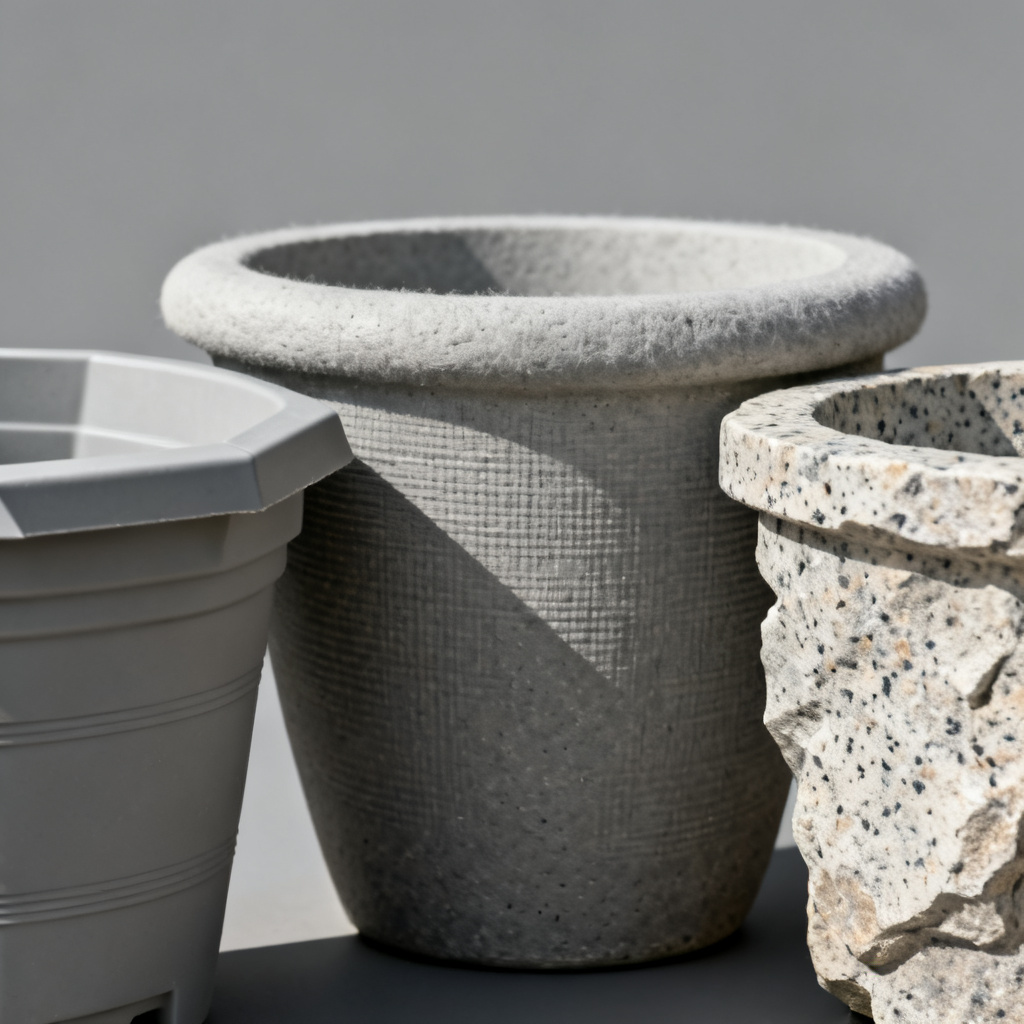
أواني الزراعة البلاستيكية مقابل أواني الزراعة المصنوعة من الألياف الزجاجية مقابل أواني الزراعة المصنوعة من البوليستر: مقارنة جنبًا إلى جنب
المتانة
يمكن أن يكون البلاستيك متينًا إذا كان سميكًا ومقاومًا للأشعة فوق البنفسجية، لكن البلاستيك الأقل جودة قد يتلاشى لونه أو يتشقق بمرور الوقت. وهو الخيار الأمثل للمشترين الذين يبحثون عن الراحة بأسعار معقولة بدلاً من الاستثمار الفاخر على المدى الطويل.
تتميز الألياف الزجاجية عمومًا بأداء أقوى على المدى الطويل. فهي تتحمل العديد من الظروف الخارجية بشكل جيد، وغالبًا ما تُستخدم في التصميمات التجارية وتصميمات الحدائق لأنها تجمع بين القوة والمظهر والوزن.
عادةً ما يكون الحجر المصنوع من البوليستر أكثر متانة من البلاستيك، ويمكن أن يوفر متانة زخرفية جيدة، لا سيما في الاستخدامات الدائمة أو شبه الدائمة. ومع ذلك، فإن الأداء يعتمد بشكل كبير على جودة المنتج والطلاء وسماكته ومستوى مقاومته للعوامل الخارجية.
الوزن وسهولة الحمل
البلاستيك هو الخيار الأسهل في النقل. فإذا كنت تعيد ترتيب النباتات بشكل متكرر، أو تنقل الأواني لتنظيفها، أو تنقل النباتات إلى داخل المنزل عند تغير الأحوال الجوية، فإن البلاستيك يوفر لك أقصى درجات الراحة.
تتميز الألياف الزجاجية بتوازن مثالي بين القوة والوزن. فهي أكثر متانة من البلاستيك، لكنها في الوقت نفسه أخف وزناً من العديد من الأواني المصنوعة من مواد تشبه الحجر أو الخرسانة. وهذا يجعلها خياراً مثالياً للأواني الزخرفية الكبيرة.
تعتبر الأصيصات المصنوعة من البوليستر الأقل قابلية للنقل من بين الثلاثة أنواع. وقد يشكل وزنها الإضافي ميزة في الأماكن التي تهب فيها الرياح أو في الأماكن الرسمية، لكنه يصبح عائقًا عندما يتعين نقل الأصيص.
مقاومة العوامل الجوية
بالنسبة للأحواض الخارجية، تُعد مقاومة العوامل الجوية عاملاً رئيسياً في اتخاذ قرار الشراء. فالتعرض لأشعة الشمس والمطر والصقيع والرياح وتقلبات درجات الحرارة كلها عوامل يمكن أن تؤثر على أداء الحوض.
قد يكون أداء البلاستيك جيدًا إذا كان مصممًا للاستخدام الخارجي، لكن البلاستيك منخفض الجودة قد يتضرر عند تعرضه لأشعة الشمس المباشرة. وغالبًا ما يُفضل استخدام الألياف الزجاجية في الأماكن الخارجية لأنها تجمع بين الوزن الخفيف والأداء القوي في الظروف الجوية المختلفة. كما يمكن أن يكون أداء الحجر البوليستر جيدًا في الأماكن الخارجية إذا تم تصنيعه وتركيبه بشكل صحيح، لكن يجب على المشترين التأكد من أن الوعاء مصمم ليتحمل مناخ منطقتهم.
يُعد التصريف أمرًا ضروريًا لكل نوع من النباتات. وتؤكد إرشادات الإرشاد الجامعي على ضرورة أن تحتوي الأواني على فتحات تصريف حتى يتسنى للمياه الزائدة أن تتسرب، ولا تظل الجذور غارقة في المياه الراكدة.
المظهر والتصميم
البلاستيك مادة عملية، لكنه غالبًا ما يبدو أقل فخامة. بعض أواني الزراعة البلاستيكية الفاخرة تبدو جذابة، لكن البلاستيك العادي قد لا يوفر نفس التأثير التصميمي الذي توفره الألياف الزجاجية أو الحجر البوليستر.
توفر الألياف الزجاجية أكبر قدر من المرونة في التصميم. فهي يمكن أن تتخذ طابعًا عصريًا أو بسيطًا أو جريئًا أو أنيقًا أو تجاريًا. وغالبًا ما تُعد الخيار الأفضل للعمارة المعاصرة ومساحات المعيشة الخارجية الفاخرة.
يتميز الحجر المصنوع من البوليستر بمظهره التقليدي والمتين. وهو الخيار المثالي للمشترين الذين يبحثون عن مظهر الحجر أو البناء الحجري أو تصميمات الحدائق الكلاسيكية.
التكلفة والقيمة على المدى الطويل
عادةً ما يكون البلاستيك هو الأقل تكلفةً في البداية. وهو الخيار الأمثل عندما تكون الميزانية هي الأولوية القصوى.
عادةً ما تكون تكلفة الألياف الزجاجية أعلى في البداية، لكنها قد توفر قيمة أفضل على المدى الطويل للمشترين الذين يهتمون بالمتانة والتصميم وتقليل وتيرة الاستبدال.
يمكن أن تتراوح أسعار الحجر البوليستر بين المتوسطة والفاخرة، اعتمادًا على الحجم والتشطيب والجودة. وقد يكون خيارًا اقتصاديًا عندما يرغب المشتري في الحصول على مظهر يشبه الحجر الطبيعي دون الحاجة إلى شراء الحجر الطبيعي.
قد تكون مهتمًا بـ
- أفضل أفكار الديكور للفلل والمنازل الكبيرة: من المداخل الكبرى إلى مناطق المعيشة المريحة
- لماذا حجر البوليستر خيار ذكي للمنازل الراقية في مصر
- 15 طريقة سهلة لجعل غرفة معيشتك تبدو أكثر فخامة
- فن اختيار أفضل أواني الزرع التي ترتقي بمنزلك
- حجر البوليستر مقابل الألياف الزجاجية: أي المواد أفضل لديكور المنزل؟
الصيانة
البلاستيك سهل التنظيف والنقل، لكنه قد يحتاج إلى الاستبدال في وقت أقرب إذا تلاشى لونه أو تصدع.
لا تتطلب الألياف الزجاجية عادةً الكثير من الصيانة. وينبغي تنظيفها بطرق لطيفة والتعامل معها بحذر لحماية الطلاء الخارجي.
قد يتطلب حجر البوليستر مجهودًا أكبر في النقل والتنظيف نظرًا لوزنه وسطحه المزخرف. ومع ذلك، يمكن أن يحافظ على مظهره الجذاب عند استخدامه في المكان المناسب والعناية به بشكل صحيح.
صحة النباتات والصرف
تُعد مادة الوعاء مهمة، لكن التصريف أكثر أهمية لصحة النبات. فقد تفشل حتى أصيص النباتات الجميلة إذا احتجزت كمية كبيرة من الماء حول الجذور.
يساعد التصريف الجيد على منع تشبع التربة بالمياه وتعفن الجذور. وتشير إدارة الإرشاد الزراعي بجامعة ولاية أوريغون إلى أن الأواني يجب أن تتمتع بتصريف جيد وأن تكون ذات حجم مناسب، لأن المساحة الزائدة غير المملوءة قد تحتفظ بكمية كبيرة من المياه وتؤدي إلى مشاكل في الجذور.
بالنسبة للاستخدام الداخلي، ينبغي على المشترين التفكير في استخدام الصحون أو الأغطية الداخلية أو الأواني الخارجية، أو اتباع طريقة الوعاءين، لحماية الأرضيات مع ضمان تصريف المياه بشكل سليم من وعاء زراعة النبات.
ما هي أفضل مادة لصناعة الأصص للاستخدام في الهواء الطلق؟
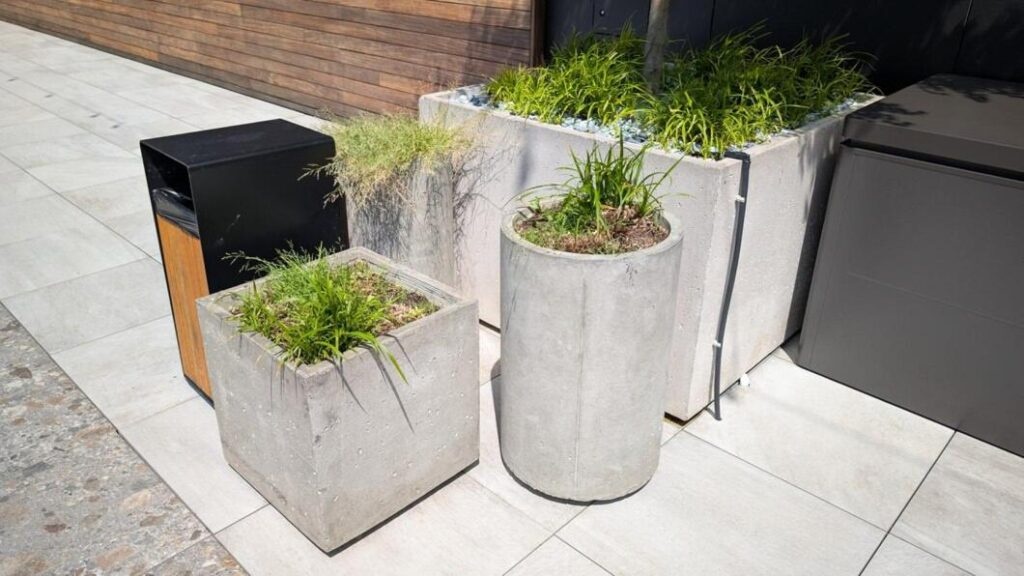
بالنسبة لمعظم مشتري المنتجات المخصصة للاستخدام في الهواء الطلق، يُعد الألياف الزجاجية الخيار الأمثل من جميع النواحي، حيث تجمع بين المتانة ومقاومة العوامل الجوية وخفة الوزن ومرونة التصميم الفائقة.
يُعد البلاستيك الخيار الأمثل للاستخدام في الأماكن الخارجية ذات الميزانية المحدودة، لا سيما بالنسبة للزهور الموسمية والأعشاب والعروض المؤقتة. أما الحجر المصنوع من البوليستر فهو الخيار الأفضل عندما تحتاج المساحة الخارجية إلى عنصر تصميمي أثقل وزناً وأكثر ديمومة يشبه الحجر.
الأفضل في الظروف الجوية القاسية
غالبًا ما تكون الألياف الزجاجية هي الخيار الأمثل للمشترين الذين يبحثون عن أصيص نباتات قادر على تحمل الظروف المتغيرة في الهواء الطلق مع الحفاظ على مظهره الأنيق. ومع ذلك، فإن أصيصات الألياف الزجاجية ليست كلها متشابهة. لذا، ينبغي على المشترين اختيار المنتجات المصممة للاستخدام الخارجي من الشركات المصنعة ذات السمعة الطيبة.
يمكن استخدام البلاستيك في الأماكن الخارجية، لكن يجب أن يكون سميكًا ومقاومًا للأشعة فوق البنفسجية ومناسبًا للتعرض الطويل للشمس. كما يمكن أن يكون أداء الحجر المصنوع من البوليستر جيدًا في الأماكن الخارجية، لكن يجب على المشترين التأكد من أن المنتج مقاوم للصقيع ومقاوم للأشعة فوق البنفسجية ومناسب للاستخدام على مدار العام.
الأفضل للمناطق التي تكثر فيها الرياح
في المناطق التي تكثر فيها الرياح، يُعد الوزن واستقرار القاعدة عاملين مهمين. والبلاستيك مادة خفيفة الوزن، لذا قد يتطلب إضافة وزن إضافي أو وضعه في مكان محمي أو استخدام نباتات أثقل وزناً لمنع انقلابه.
تتميز الأواني المصنوعة من الألياف الزجاجية بثبات أكبر مقارنة بالعديد من الأواني البلاستيكية، مع احتفاظها في الوقت نفسه بسهولة التعامل معها. أما الحجر البوليستر فهو عادةً الأكثر ثباتًا بفضل وزنه، مما يجعله خيارًا جيدًا للمداخل والساحات والفناءات المكشوفة.
الأفضل للتعرض الكامل لأشعة الشمس
في ظل التعرض المباشر لأشعة الشمس، تكتسب جودة المواد أهمية خاصة. فقد يتلاشى لون البلاستيك ذي الجودة المنخفضة أو يصبح هشًا. أما الألياف الزجاجية ذات التشطيب عالي الجودة، فيمكن أن تكون خيارًا أكثر متانة على المدى الطويل. كما يمكن أن يكون الحجر البوليستر خيارًا جيدًا، لكن التشطيبات الداكنة قد تمتص مزيدًا من الحرارة، مما قد يؤثر على درجة حرارة التربة واحتياجات الري.
ينبغي على المشترين في المناطق ذات المناخ الحار أن يراعوا اختيار ألوان أوعية زراعة فاتحة، واختيار النباتات المناسبة، والري المنتظم، وتوفير العزل حول الجذور الحساسة.
الأفضل للاستخدام في الأجواء الممطرة أو الرطبة
في المناطق الممطرة، لا غنى عن وجود فتحات تصريف. فالأواني التي تفتقر إلى فتحات التصريف قد تحتجز المياه، مما يؤدي إلى خنق الجذور وإتلاف النباتات. وتشير مؤسسة «إيلينوي إكستنشن» إلى أن وجود فتحة في قاع الوعاء أمر بالغ الأهمية، لأنها تسمح بتصريف المياه بحرية وتضمن وصول الهواء إلى الجذور.
في المناطق ذات المناخ الرطب، اختر أواني زراعة مزودة بفتحات تصريف، واستخدم خليط تربة عالي الجودة، وفكر في رفع أواني الزراعة الخارجية قليلاً باستخدام أرجل أو حوامل لتسهيل تصريف المياه.
ما هي أفضل مادة لصنع الأصص للاستخدام الداخلي؟
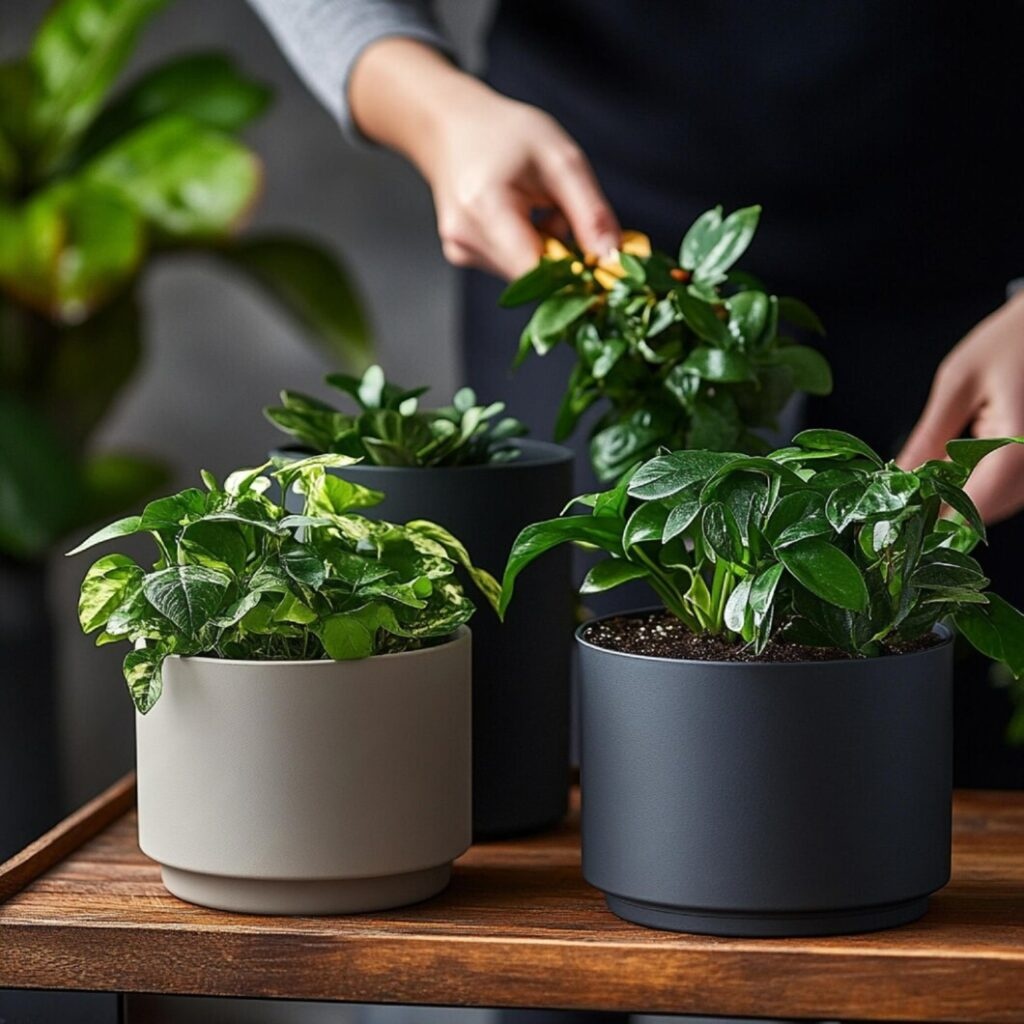
بالنسبة للاستخدام الداخلي، تعتمد أفضل المواد على المظهر والوزن وحماية الأرضية وإدارة التصريف.
يُعد البلاستيك خيارًا عمليًا لأواني النباتات المخفية في غرف الأطفال، والنباتات المنزلية الصغيرة، والترتيبات الخفيفة الوزن. وغالبًا ما يكون الألياف الزجاجية الخيار الأفضل للديكورات الداخلية العصرية والمكاتب والفنادق والمساحات التجارية. أما الحجر البوليستر فهو مثالي للديكورات الداخلية التي تتطلب مظهرًا معماريًا أكثر كلاسيكية وثقلًا.
الأفضل للتصميمات الداخلية الزخرفية
تُضفي الألياف الزجاجية عادةً مظهرًا أنيقًا وفاخرًا على التصميمات الداخلية العصرية. فسطوحها الناعمة وخطوطها الحادة وخيارات تشطيبها تجعل من السهل تنسيقها مع الأثاث والهندسة المعمارية المعاصرة.
يُعد الحجر المصنوع من البوليستر خيارًا مناسبًا للديكورات الداخلية التقليدية، والردهات الفاخرة، والحدائق الشتوية، والمساحات التي تحتوي على عناصر من الحجر أو الخشب أو عناصر معمارية كلاسيكية.
يُفضل استخدام البلاستيك عندما لا تكون الوعاء هي العنصر التصميمي الرئيسي، أو عندما يتم وضعها داخل وعاء خارجي زخرفي.
الأفضل للنباتات الداخلية الكبيرة
تحتاج النباتات الداخلية الكبيرة إلى أواني زراعة ثابتة. وتُعد الألياف الزجاجية خيارًا مناسبًا لأنها قادرة على تحمل تصميمات ضخمة دون أن تصبح صعبة المناولة مثل المواد الحجرية.
يمكن أن تكون الأحجار المصنوعة من البوليستر خيارًا ممتازًا للنباتات الكبيرة جدًّا في الأماكن الداخلية الدائمة، لكن يجب على المشترين التأكد من حدود الوزن المسموح بها للأرضية وحماية الأرضية من الرطوبة.
قد يكون البلاستيك مناسبًا للنباتات الكبيرة عند وضعه داخل إناء زخرفي أثقل وزنًا، أو عندما تكون سهولة النقل أكثر أهمية من المظهر.
الأفضل للمكاتب والفنادق والديكورات الداخلية التجارية
غالبًا ما يُعد الألياف الزجاجية الخيار الأقوى للتصميمات الداخلية التجارية، نظرًا لمظهرها الاحترافي، وتوافرها بأحجام متنوعة، وسهولة تنسيقها عبر المساحات المتعددة.
يُعد الحجر المصنوع من البوليستر خيارًا جيدًا للفنادق الفاخرة والمداخل الرسمية والتصميمات الداخلية التقليدية. أما البلاستيك فهو الأنسب للمناطق الخلفية أو العروض المؤقتة أو المشاريع ذات الميزانية المحدودة.
ما هي مادة صناعة الأصيص التي تبدو الأكثر فخامة؟
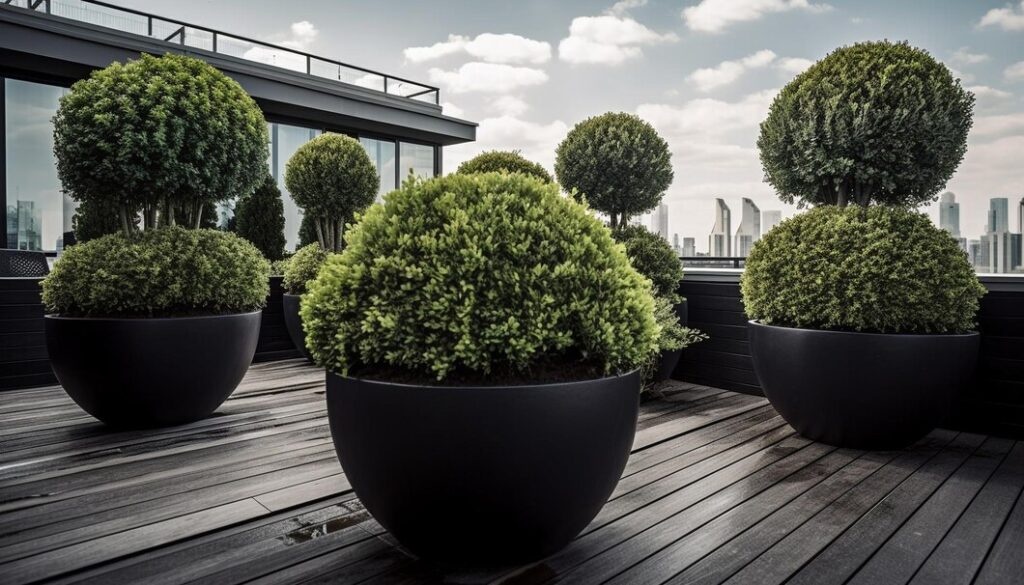
يعتمد اختيار أصيص النباتات الأكثر أناقة على طراز المكان.
للحصول على الرفاهية العصرية،, عادةً ما تبدو الألياف الزجاجية هي الأرقى. ويتناسب بشكل جيد مع التصاميم المعمارية البسيطة، والفناءات العصرية، والجدران الزجاجية، والتصميمات الداخلية البسيطة، والمداخل التجارية.
للفخامة التقليدية،, يمكن أن يبدو الحجر المصنوع من البوليستر أكثر فخامة لأنه يضفي مظهرًا من الثقل والاستمرارية والتصميم الكلاسيكي للحدائق.
يمكن أن يبدو البلاستيك جذابًا، لا سيما عندما يكون تصميمه جيدًا، لكنه لا يمنح عادةً نفس الإحساس بالفخامة الذي يمنحه الألياف الزجاجية أو الحجر البوليستر. وبالنسبة للمشترين الذين يسعون إلى تحسين المظهر الخارجي للمبنى، أو تزيين مدخل، أو إضفاء لمسة جمالية على مساحة تجارية، فإن الألياف الزجاجية أو الحجر البوليستر عادةً ما يتركان انطباعًا بصريًا أقوى.
ما هي مادة الأواني التي تدوم لفترة أطول؟
تتميز الألياف الزجاجية وحجر البوليستر عالي الجودة عمومًا بأداء أكثر متانة على المدى الطويل مقارنةً بالبلاستيك منخفض التكلفة. ومع ذلك، فإن العمر الافتراضي يعتمد على جودة المواد، والمناخ، ومكان التركيب، والتشطيب، والتصريف، والصيانة.
قد تدوم أصيص النباتات التي توضع في مكان مظلل جزئيًا وتتمتع بتصريف جيد لفترة أطول بكثير من نفس الأصيص المعرض لأشعة الشمس الحارقة أو المياه الراكدة أو درجات الحرارة المتجمدة أو سوء الاستخدام.
قد يدوم البلاستيك لسنوات طويلة إذا كان عالي الجودة ومقاومًا للأشعة فوق البنفسجية، لكن البلاستيك الأرخص ثمناً قد يتلف بسرعة أكبر في الأماكن المفتوحة. وغالباً ما توفر الألياف الزجاجية التوازن الأمثل على المدى الطويل للمشترين الذين يبحثون عن المتانة ومرونة التصميم. كما يمكن أن يدوم الحجر البوليستر لفترة طويلة عند استخدامه في الظروف المناسبة وحمايته من الصدمات غير الضرورية أو سوء الصرف.
لا يكمن السر في اسم المادة فحسب. بل ينبغي على المشترين النظر إلى سماكة المنتج، ومستوى ملاءمته للاستخدام الخارجي، وتصميم نظام التصريف، والضمان، وجودة التشطيب، وسمعة الشركة المصنعة.
ما هي مادة صناعة الأصص الأكثر فعالية من حيث التكلفة؟
ليست الحوضة الأكثر فعالية من حيث التكلفة هي دائمًا الأرخص سعرًا. يجب على المشترين أن يأخذوا في الاعتبار السعر الأولي، والعمر الافتراضي المتوقع، وتكلفة الاستبدال، والمظهر، والصيانة.
الأفضل من حيث التكلفة الأولية المنخفضة
يُعد البلاستيك الخيار الأفضل بلا منازع من حيث التكلفة الأولية المنخفضة. فهو متوفر على نطاق واسع ويسهل شراؤه بكميات كبيرة. وبالنسبة للعروض المؤقتة، أو الزهور الموسمية، أو الشرفات الصغيرة، أو المشاريع ذات الميزانية المحدودة، غالبًا ما يكون البلاستيك هو الخيار الأكثر عملية.
الأفضل من حيث القيمة على المدى الطويل
غالبًا ما توفر الألياف الزجاجية أفضل قيمة على المدى الطويل. ورغم أنها أغلى ثمناً من البلاستيك العادي، إلا أنها تتميز بتصميم أكثر جاذبية، وأداءً أقوى في الأماكن الخارجية، ومرونة أكبر في الاستخدامات السكنية والتجارية.
الأفضل من حيث القيمة مقابل المظهر الحجري
يُعد الحجر البوليستر خيارًا أكثر جدوى عندما يرغب المشترون في الحصول على مظهر الحجر الطبيعي دون تحمل التكلفة الكاملة أو الوزن أو متطلبات التركيب التي يتطلبها الحجر الطبيعي. وهو مفيد بشكل خاص في تزيين المداخل والفناءات والساحات ومناطق الحدائق.
نصيحة للمشتري
إذا كان من الضروري استبدال أصيص النباتات كل موسم أو موسمين، فقد لا يكون السعر المنخفض في البداية هو الخيار الأفضل. فقد يكون الأصيص عالي الجودة أكثر فعالية من حيث التكلفة إذا كان يدوم لفترة أطول، ويتمتع بمظهر أفضل، ويتماشى مع التصميم العام للمساحة.
كيفية اختيار مادة الأصيص المناسبة لمساحتك
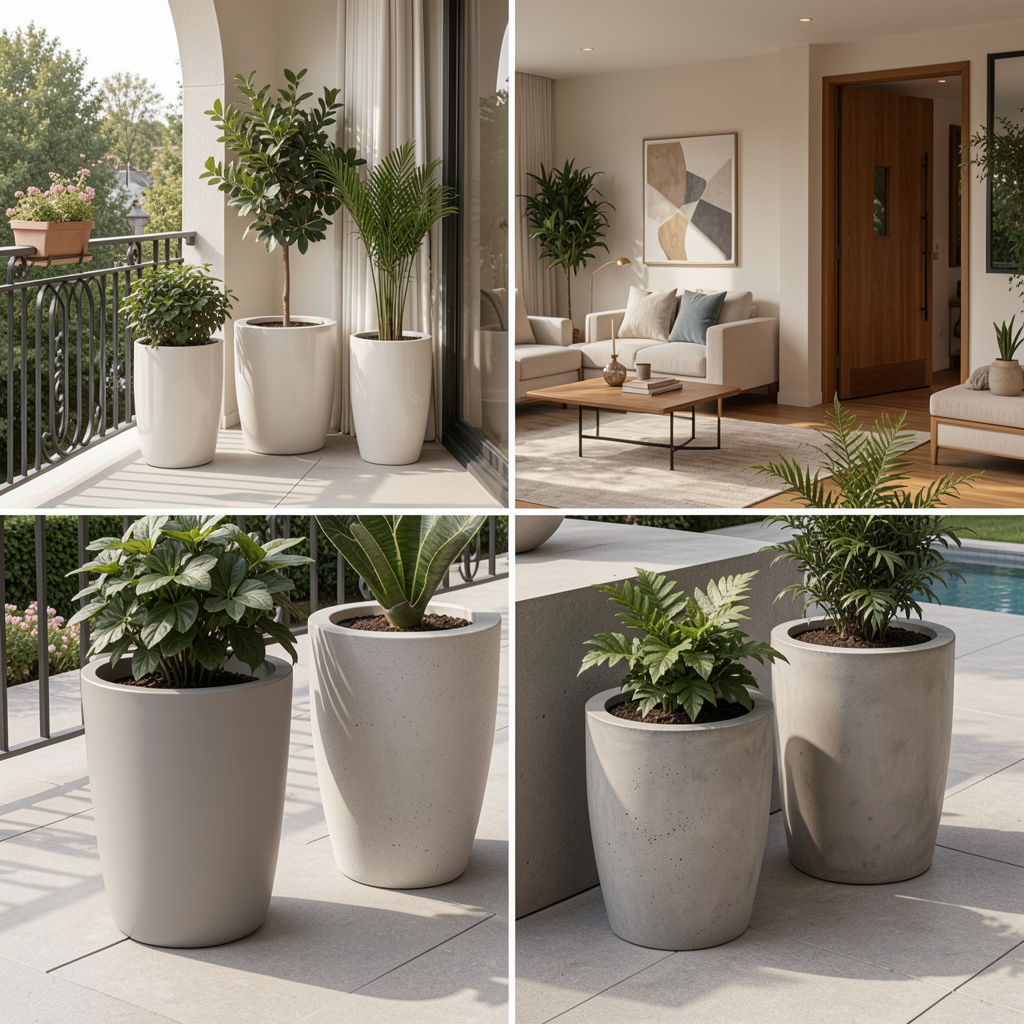
اختر أواني زراعة بلاستيكية إذا…
اختر البلاستيك إذا كنت تريد أصيصًا ميسور التكلفة وخفيف الوزن وسهل النقل. يُعد البلاستيك خيارًا ذكيًا للمستأجرين، وهواة الزراعة في الشرفات، والعروض الموسمية، والنباتات الصغيرة، والمشاريع ذات الميزانية المحدودة.
كما أنه خيار جيد إذا كنت تحب تغيير التصميم بشكل متكرر أو تحتاج إلى حاويات يمكن نقلها دون الحاجة إلى معدات.
اختر أواني الزراعة المصنوعة من الألياف الزجاجية إذا…
اختر الألياف الزجاجية إذا كنت تبحث عن أصيص فاخر ومتين ومتعدد الاستخدامات، يمكن استخدامه في الأماكن المغلقة أو المفتوحة. إنه الخيار الأمثل للمشترين الذين يبحثون عن مظهر عصري وقيمة عالية على المدى الطويل، وأصيص كبير الحجم دون أن يكون ثقيلًا بشكل مفرط.
تُعد الألياف الزجاجية خيارًا مثاليًا للفناءات وأسطح المباني والمداخل التجارية والمكاتب والفنادق والمطاعم والمنازل الفاخرة.
اختر أواني الزراعة المصنوعة من البوليستر والحجر إذا…
اختر الحجر البوليستر إذا كنت تريد حوض زراعة أثقل وزناً ومستوحى من الحجر، مع طابع أكثر تقليدية أو معمارية. وهو مثالي للحدائق الرسمية، ومداخل المنازل، والساحات الداخلية، والفناءات الفاخرة، والمساحات التي يضفي فيها الثقل البصري مزيداً من الجمال على التصميم.
كما أنها خيار جيد عندما تظل الأصيص في مكان واحد لفترة طويلة.
قائمة مراجعة للمشتري قبل شراء أصيص نباتات
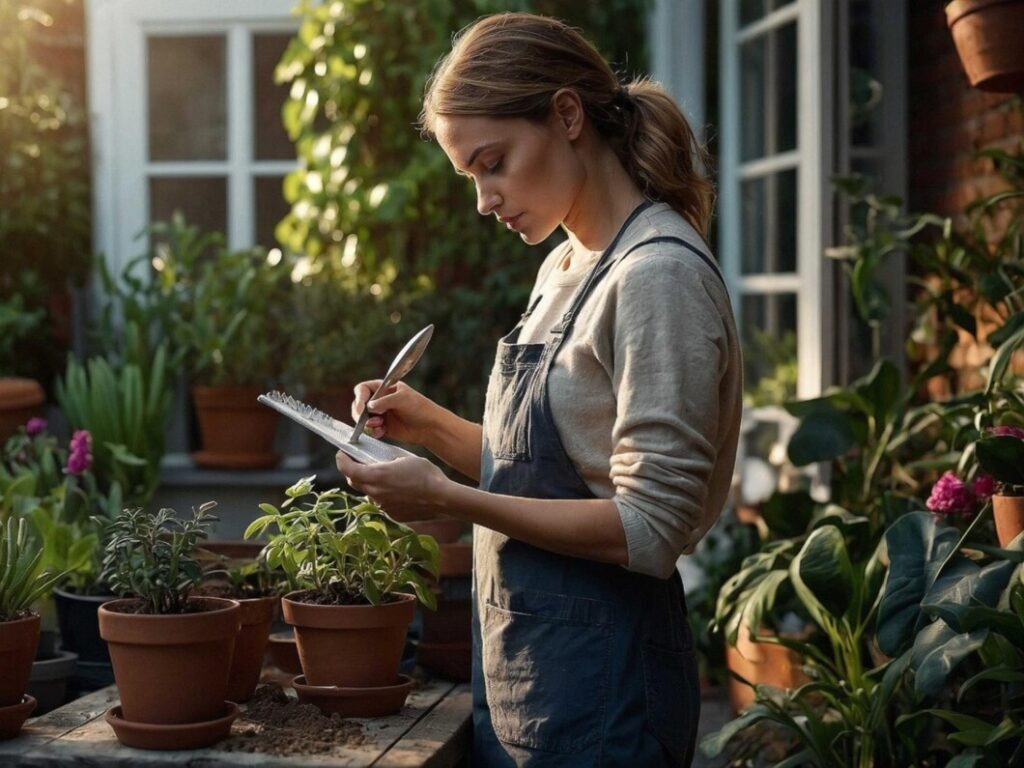
تحقق من حجم الوعاء
اختر أصيصًا يوفر للنبات مساحة كافية للنمو دون ترك مساحة فارغة كبيرة من التربة. فالأواني الكبيرة تحتفظ بالرطوبة لفترة أطول، بينما تجف الأواني الضحلة بسرعة أكبر. وتشير جمعية البستنة الملكية (RHS) إلى أن الأواني الكبيرة التي تحتوي على كمية أكبر من السماد العضوي تجف عادةً ببطء أكبر مقارنة بالأواني الصغيرة، في حين أن الأواني الضحلة تجف بسرعة وتناسب بشكل أفضل بعض النباتات التي تتحمل الجفاف.
تحقق من الصرف
تعد فتحات التصريف ضرورية لمعظم النباتات. فبدونها، قد يتجمع الماء في قاع الوعاء ويتسبب في تلف الجذور. أما بالنسبة للمساحات الداخلية، فيُفضل استخدام الصحون أو الأغطية الداخلية أو الأواني الداخلية لزراعة النباتات من أجل إدارة المياه بشكل آمن.
تحقق من الوزن بعد الزراعة
قد تبدو الوعاء خفيفة الوزن عندما تكون فارغة، لكنها تصبح ثقيلة جدًّا بعد إضافة التربة والماء والغطاء العضوي والنبات الناضج. وهذا أمر مهم بشكل خاص بالنسبة للشرفات وأسطح المنازل والمنصات المرتفعة والأرضيات الداخلية.
تحقق من ملاءمة الطقس
قبل الشراء، تأكد من أن الوعاء مصمم للاستخدام في الهواء الطلق. ابحث عن التشطيبات المقاومة للعوامل الجوية، والمواد المقاومة للأشعة فوق البنفسجية، ومقاومة الصقيع، والتصريف المناسب.
التحقق من الشكل والموضع
يجب أن تتناسب الحوض مع الطراز المعماري والأثاث وتصميم المناظر الطبيعية ونوع النباتات. فقد يكون الحوض المستطيل الأنيق المصنوع من الألياف الزجاجية مناسبًا لفناء عصري، في حين أن الحوض الحجري المصنوع من البوليستر قد يبدو أكثر ملاءمةً لحديقة تقليدية.
التحقق من الصيانة طويلة الأجل
ضع في اعتبارك عدد المرات التي ستحتاج فيها إلى تنظيف الوعاء أو نقله أو تخزينه أو استبداله. وفكر أيضًا فيما إذا كان الطلاء قد يتعرض للخدش أو البهتان أو التكسر أو تراكم الأوساخ عليه بمرور الوقت.
الحكم النهائي: أحواض زراعة من البلاستيك أم الألياف الزجاجية أم البوليستر؟
يمكن أن تكون أحواض الزهور المصنوعة من البلاستيك والألياف الزجاجية والبوليستر خيارات جيدة، لكنها تلبي احتياجات مختلفة للمشترين.
اختر أواني زراعة بلاستيكية إذا كانت أولوياتك هي السعر المعقول وسهولة النقل والاستخدام اليومي البسيط. فهي الأنسب للعروض الموسمية والمساحات الصغيرة والشرفات والمستأجرين والمشترين المهتمين بالميزانية.
اختر أواني زراعة من الألياف الزجاجية إذا كنت تبحث عن التوازن الأمثل بين المتانة والمظهر الفاخر ومقاومة العوامل الجوية والوزن الخفيف. وبالنسبة لمعظم المشترين الذين يبحثون عن قيمة تدوم طويلاً ولمسة نهائية احترافية، فإن الألياف الزجاجية هي الخيار الأقوى بشكل عام.
اختر أواني زراعة من البوليستر على شكل أحجار إذا كنت تبحث عن مظهر قوي يشبه الحجر لمكان رسمي أو تقليدي أو فاخر. فهي الأنسب للمشترين الذين يولون اهتمامًا أكبر للثقل البصري والتأثير الزخرفي أكثر من سهولة النقل.
بالنسبة لمعظم المشترين في القطاعين السكني والتجاري، فإن أفضل مادة هي الألياف الزجاجية. فهي توفر أكبر مجموعة من المزايا وتُعد خيارًا مناسبًا للعديد من البيئات الداخلية والخارجية. ومع ذلك، فإن الاختيار الصحيح يعتمد في النهاية على ميزانيتك وأسلوبك والمناخ، ومدى ثبات مكان وضع الوعاء.
أسئلة وأجوبة حول أواني الزراعة البلاستيكية والمصنوعة من الألياف الزجاجية والبوليستر
هل أواني الزراعة المصنوعة من الألياف الزجاجية أفضل من تلك المصنوعة من البلاستيك؟
تُعد أواني الزراعة المصنوعة من الألياف الزجاجية عادةً خيارًا أفضل من الأواني البلاستيكية للمشترين الذين يبحثون عن مظهر أكثر فخامة، ومتانة أعلى على المدى الطويل، ومرونة أكبر في التصميم. أما البلاستيك فهو الخيار الأفضل للاحتياجات الزراعية منخفضة التكلفة وخفيفة الوزن والمؤقتة.
هل أواني الزراعة المصنوعة من البوليستر ثقيلة؟
نعم، تعتبر أواني الزراعة المصنوعة من البوليستر الحجري أثقل عمومًا من تلك المصنوعة من البلاستيك والعديد من أواني الزراعة المصنوعة من الألياف الزجاجية. ويمكن أن يؤدي هذا الوزن الإضافي إلى تحسين الثبات، ولكنه يجعل نقلها أصعب بعد الزراعة.
ما هي أفضل مادة لصنع الأصص المخصصة للاستخدام في الهواء الطلق؟
غالبًا ما يُعد الألياف الزجاجية أفضل مادة شاملة لصناعة الأواني النباتية المخصصة للاستخدام الخارجي، لأنها تجمع بين المتانة ومقاومة العوامل الجوية والأناقة والوزن الخفيف الذي يسهل حمله. أما البلاستيك فهو الخيار الأمثل للاستخدام الخارجي المحدود الميزانية، في حين يُعد الحجر البوليستر الخيار الأفضل لمن يبحثون عن مظهر ثقيل يشبه الحجر.
ما هي أفضل مادة لصنع الأصص للنباتات الكبيرة؟
غالبًا ما تكون الألياف الزجاجية هي الخيار الأفضل للنباتات الكبيرة لأنها توفر المتانة دون زيادة الوزن. كما أن الحجر البوليستر مناسب أيضًا للنباتات الكبيرة المزروعة في أماكن ثابتة. ويمكن استخدام البلاستيك للنباتات الكبيرة شريطة أن يكون سميكًا ومستقرًا ومدعومًا بشكل مناسب.
هل تتشقق أواني الزراعة البلاستيكية تحت أشعة الشمس؟
قد تتشقق بعض الأواني البلاستيكية أو يتلاشى لونها أو تصبح هشة بعد التعرض الطويل لأشعة الشمس المباشرة، خاصةً إذا كانت مصنوعة من بلاستيك منخفض الجودة. وعادةً ما يكون أداء البلاستيك المصمم للاستخدام الخارجي والمقاوم للأشعة فوق البنفسجية أفضل.
هل تستحق أحواض الزراعة المصنوعة من الألياف الزجاجية سعرها المرتفع؟
غالبًا ما تستحق أحواض الزراعة المصنوعة من الألياف الزجاجية سعرها المرتفع بالنسبة للمشترين الذين يبحثون عن قيمة طويلة الأمد ومظهر فاخر وأداء موثوق به سواء في الأماكن الداخلية أو الخارجية. وهي تعد خيارًا مثاليًا بشكل خاص للمساحات التجارية وأحواض الزراعة الكبيرة والمناطق التي تحظى بقدر كبير من الظهور.
ما هي مادة الأصيص التي يسهل نقلها؟
يُعد البلاستيك أسهل مادة لصناعة الأصص من حيث سهولة نقلها، لأنه الأخف وزنًا. كما أن الألياف الزجاجية سهلة النقل نسبيًا مقارنةً بالمواد التي تشبه الحجر. أما الحجر البوليستر، فهو عادةً الأصعب في النقل.
هل تحتاج جميع الأواني الزراعية إلى فتحات تصريف؟
تحتاج معظم الأواني الزراعية إلى فتحات تصريف للحفاظ على صحة الجذور ومنع تراكم المياه في قاع الوعاء. إذا كانت الوعاء الزخرفي لا يحتوي على فتحات تصريف، فاستخدم وعاءً داخليًّا مزودًا بفتحات تصريف أو أي طريقة أخرى آمنة لتنظيم المياه.
ما هي أفضل مادة لصنع أحواض الزهور في الفناء الفاخر؟
تُعد الألياف الزجاجية الخيار الأمثل للفناء الفاخر العصري، في حين يُعد الحجر البوليستر الخيار الأمثل للفناء الفاخر الكلاسيكي أو الرسمي. وكلاهما يبدو أكثر فخامة من البلاستيك العادي.
ما هي مادة صناعة الأصيص التي توفر أفضل قيمة على المدى الطويل؟
عادةً ما توفر الألياف الزجاجية أفضل قيمة على المدى الطويل لأنها تجمع بين المتانة والأناقة ومقاومة العوامل الجوية والوزن الخفيف. أما البلاستيك فيتميز بأقل تكلفة أولية، في حين يقدم الحجر البوليستر قيمة كبيرة للمشترين الذين يرغبون في الحصول على مظهر يشبه الحجر.
المصادر:
- https://www.eplanters.com/blog/fiberglass-vs-plastic-planters-how-to-choose-the-best-planter/
- https://www.rhs.org.uk/container-gardening/growing-plants-in-containers
- https://extension.illinois.edu/container-gardens/container-drainage-options
- https://www.newprocontainers.com/blog/the-pros-and-cons-of-fiberglass-planters/